
Omni Genderosity (2017)'25

Body as spiritual architecture
Omni-generosity: The Call for Naked Freedom
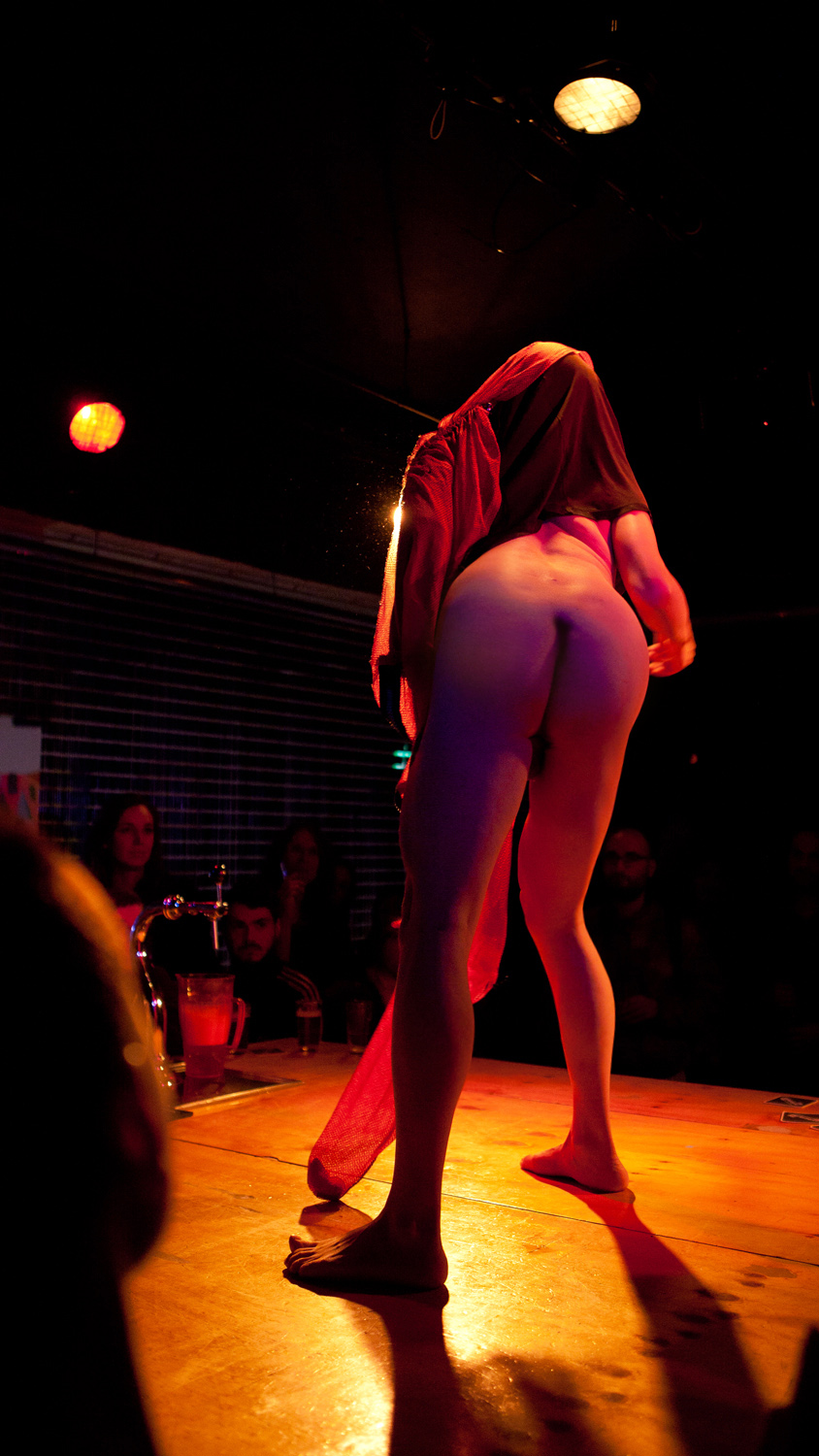
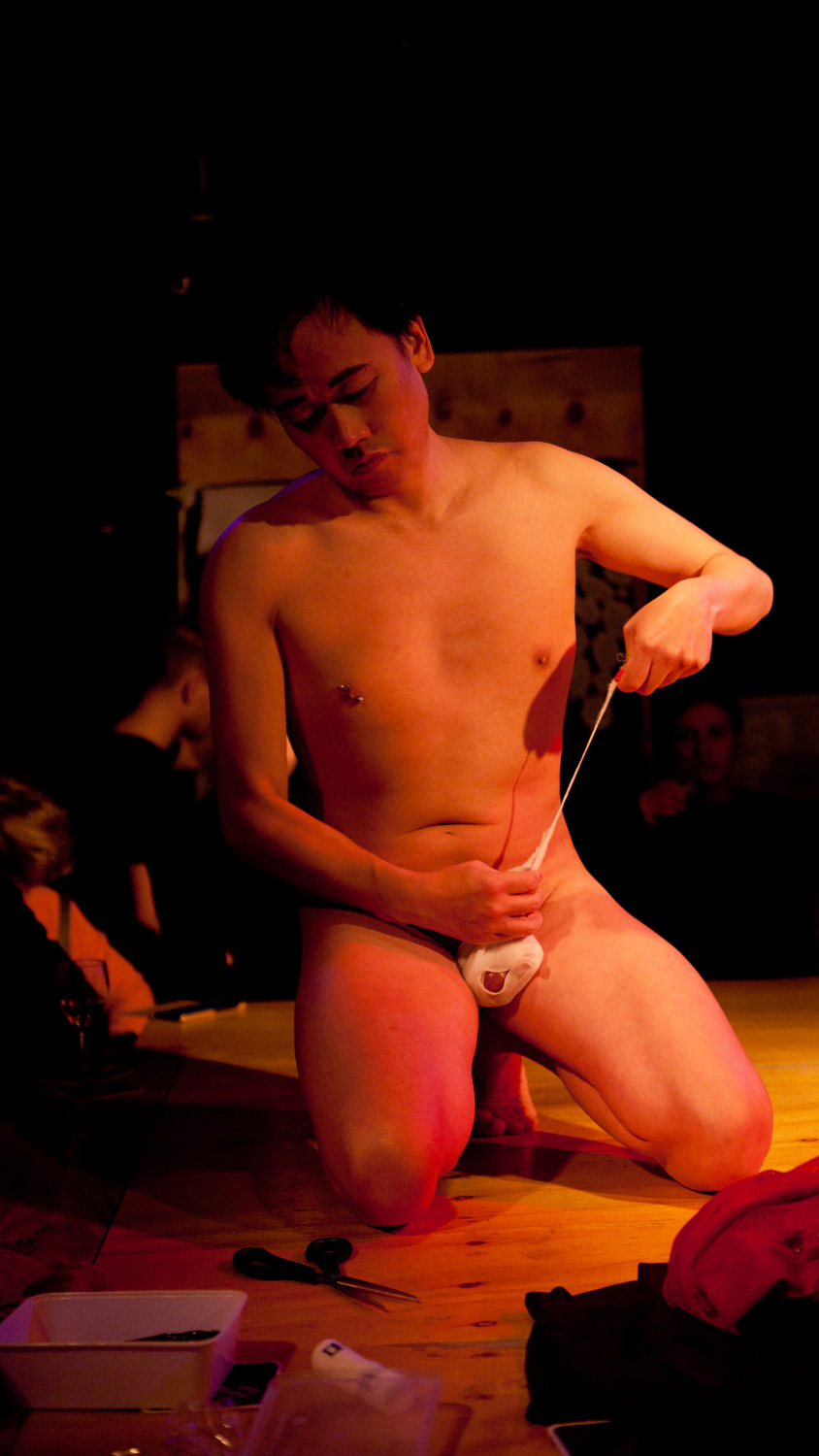
“Omni-generosity” unfolds as a radical act of naked truth. It breaks through rigid constructs of gender and identity, presenting the body as sacred rather than sinful. Every gesture and breath speaks of freedom — freedom from social armor, freedom from fear, and freedom to exist fully. The performance rejects shame and celebrates the raw authenticity of being human. Through nudity, it exposes both fragility and courage, revealing a spiritual rebellion that transcends physical appearance.
Nudity as Sacred Revelation
In this performance, nakedness is not a spectacle — it is revelation. It restores dignity to what society often silences: the vulnerable, truthful body. This act reverses traditional Western divisions between “nude” and “naked.” By redefining exposure as spiritual expression, Omni-generosity transforms the body into a sacred microcosm of consciousness. The viewer is invited into intimacy without voyeurism, guided instead toward reflection. The body becomes architecture — a temple of inner light and shadow, woven with generosity and grace.
Breaking the Chains of Social Conformity
The performance embodies resistance to the invisible authority of societal norms. Modern life often amputates our authentic selves, demanding conformity to prescribed gender roles and appearances. Omni-generosity refuses that amputation. It exposes the violence of expectation — the quiet erasure of the self. By laying bare the human form, it exposes the artificial boundaries that divide spirit from body. The work transforms what was once considered weakness into the ultimate strength: unfiltered truth.
Fluidity as a Path to Freedom
At its heart, Omni-generosity celebrates fluid identity. It invites audiences to envision a world where gender is no longer fixed but freely shifting. By embracing the “multi-gender” and “multi-sexual,” the performance dissolves binary structures. This liberation mirrors both avant-garde art and ancient Eastern spiritual thought. In Buddhist iconography, bodhisattvas shift gender forms across lifetimes — a symbol of transcendence beyond duality. Similarly, the performer’s body in Omni-generosity becomes an ever-changing being, proof that freedom exists beyond the limits of language or classification.
Deconstructing the Gaze: Power Through Vulnerability
Performance art that uses the naked body often risks misinterpretation. Yet Omni-generosity skillfully redirects that gaze. Instead of submission, it presents ruination as rebirth. Standing unclothed, the artist disarms objectification by replacing desire with sacred tension. This vulnerability becomes defiance — an act of reclaiming agency. The performance turns the very act of seeing into a spiritual mirror, compelling the audience to confront their own biases and boundaries. It is an invitation to see the body not as an object, but as a living truth.
Radical Generosity and Spiritual Equality
Beyond its physical expression, Omni-generosity redefines generosity as complete self-offering. The naked body becomes a gift of presence — a symbol of radical inclusion. True generosity, the performance suggests, demands mutual respect between artist and audience, self and society. Equality, then, is not abstract policy but embodied practice. When authenticity is met with acceptance, healing begins. The performance proposes a new form of coexistence based on openness, compassion, and shared humanity.
The Sacred Architecture of the Free Body
Omni-generosity transcends the boundaries between the spiritual and the social. It reimagines nudity not as rebellion but as revelation — a light that dissolves fear, shame, and division. In this work, the body becomes the blueprint for equality, love, and spiritual truth. Through nakedness, the artist constructs a world where identity is fluid, freedom is infinite, and the act of being human is itself a sacred generosity.
Omni Genderosity: Philemon Mukarno’s Sacred Naked Performance on Gender Fluidity, Spiritual Freedom, and Sacred Authenticity
Understanding Omni Genderosity as Radical Gender and Spiritual Inquiry
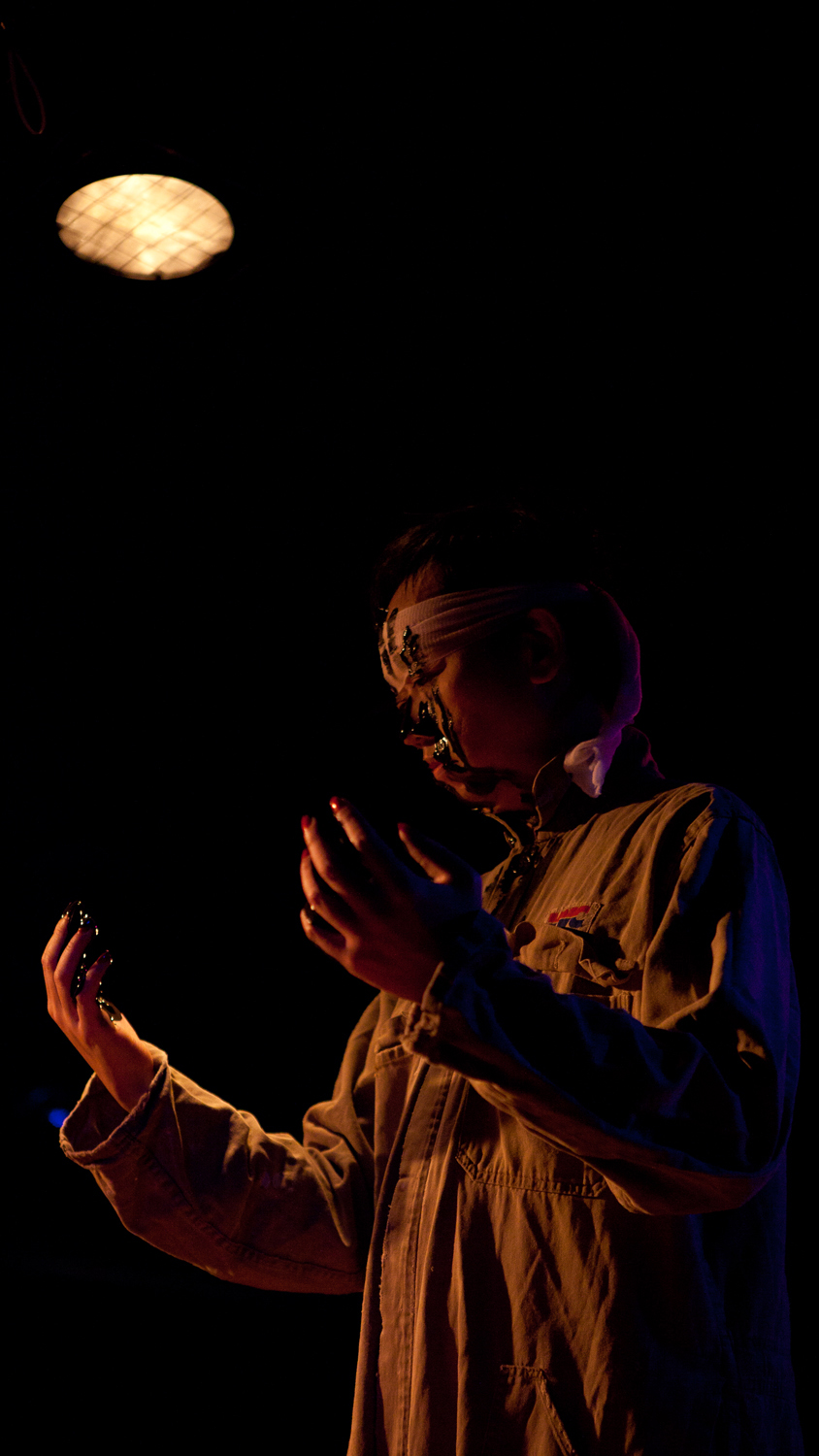
Philemon Mukarno’s “Omni Genderosity” (2017) represents a profound 25-minute embodied exploration of gender fluidity, spiritual liberation, and sacred authenticity through radical naked performance art. The work emerges as powerful protest against rigid gender binaries and sexual orientation discrimination, celebrating instead the infinite possibilities of embodied gender expression. Through complete nakedness combined with deliberate bodily gesture and spiritual intention, Mukarno transforms gender and identity from fixed categories into fluid continuum reflecting divine wholeness. The performance invites audiences toward recognizing authentic identity as sacred expression rather than conforming to imposed societal roles.
“Omni Genderosity” positions the naked body as sacred architecture—living temple containing infinite possibility and divine consciousness. The term “genderosity” itself creates deliberate neologism suggesting generosity toward gender—radical openness permitting authentic expression transcending binary constraints. The performance celebrates “multi-gender” and “multi-sexual” possibilities acknowledging that human identity exceeds simplistic categories. The work suggests that genuine spirituality embraces complete embodied authenticity rather than demanding conformity to restrictive identity frameworks.
Breaking Through Binary Gender Constraints
The Prison of Fixed Gender Categories and Societal Violence
Contemporary society enforces rigid gender binaries—the false division into only male and female with expectations rigidly attached to each category. This system operates as oppressive architecture constraining authentic embodied expression. Those diverging from prescribed gender expectations face social violence, discrimination, family rejection, and psychological harm. The binary system benefits those conforming while systematically harming anyone whose authentic identity exceeds its narrow categories. Mukarno’s performance exposes this violence and oppressive architecture, refusing further participation in systems demanding identity conformity.
The enforcement of binary gender operates through what Michel Foucault termed “biopower”—systems of social control targeting bodies directly. Gender expectations become inscribed into individual consciousness through families, schools, religious institutions, media, and peer groups. Individuals internalize gender constraints, becoming self-policing enforcers of oppressive systems. Many people experience profound disconnect between their authentic identity and socially prescribed gender role. They suffer silently, believing their experience represents personal failure rather than recognizing systems themselves as fundamentally oppressive.
The violence of gender conformity extends beyond psychological to physical harm. Transgender and gender-nonconforming individuals face disproportionate violence and murder. Religious institutions practice conversion therapy attempting to eliminate nonconforming identity. Medical professionals often deny necessary care. Legal systems fail to protect gender-nonconforming people. The entire social apparatus conspires toward forcing conformity to binary categories. Mukarno’s performance responds to this systematic violence by celebrating what society condemns—authentic non-binary gender expression and sexual diversity.
The performance particularly addresses internalized gender oppression where individuals police their own authenticity. Many gender-nonconforming people learn to hide genuine identity to survive. They construct elaborate false presentations maintaining safety through conformity. This protective adaptation exacts tremendous psychological cost—disconnection from authentic self, anxiety, depression, existential despair. The performance invites audiences toward recognizing how costly conformity becomes and how liberation requires refusing systems demanding self-erasure.
Celebrating Fluid Identity Beyond Binary Categories
Against rigid binary categories, “Omni Genderosity” celebrates gender fluidity—the understanding that identity shifts continuously across lifespan and contexts rather than remaining fixed. Gender fluidity acknowledges what many people experience directly: their sense of gender varies depending on mood, context, relationships, and stage of life. Some days feel more masculine; other days more feminine; many days neither or both. The performance honors this lived reality rather than pathologizing it as confusion or disorder requiring treatment.
Gender fluidity particularly resonates with Buddhist and Eastern spiritual traditions understanding identity as constantly changing. Buddhist philosophy rejects the concept of fixed unchanging self, instead describing consciousness as perpetually arising and dissolving. The Bodhisattva tradition describes enlightened beings shifting gender forms across lifetimes and even within single incarnation. The divine figures sometimes manifest masculine, sometimes feminine, sometimes neither. These spiritual traditions celebrate what Western binary gender rejects—the fluidity and multiplicity of embodied consciousness.
The celebration of fluid gender also honors indigenous traditions worldwide recognizing more than two genders. Many cultures describe individuals holding sacred two-spirit roles, encompassing multiple genders within single person. These roles often carried spiritual authority and social prestige. The individuals were honored for holding multiple gender capacities rather than condemned. The global diversity of gender systems demonstrates that binary categories represent particular historical invention rather than universal human reality. Mukarno’s performance recovers these alternative possibilities silenced through colonialism and Western cultural dominance.
The fluidity celebrated in “Omni Genderosity” also addresses contemporary lived reality where gender expression increasingly becomes more fluid. Younger generations increasingly reject binary categories, claiming identities as non-binary, genderqueer, or gender-nonconforming. The rigidity enforced in previous generations becomes increasingly recognized as artificial constraint. The performance validates this contemporary shift toward greater gender diversity and fluidity while honoring ancestral traditions similarly celebrating gender multiplicity.
The Sacred Body: Nakedness as Spiritual Revelation
Exposing the Constructed Nature of Gender Identity
The complete nakedness in “Omni Genderosity” becomes crucial vehicle for exposing how gender operates as social construction rather than biological essence. Clothing functions as primary tool through which gender becomes performed and communicated. Gendered clothing signals identity, role, and social position. Gender norms extend throughout all bodily presentation—hairstyle, makeup, movement patterns, vocal qualities. Society reads these signs, assigning gender categories and consequent social status and expectations. The clothed body becomes thoroughly culturally constructed.
Yet beneath clothing, bodies reveal more ambiguous reality. Anatomical sex characteristics vary considerably even among those assigned same sex at birth. Hormone levels, fat distribution, bone structure, and other features create continuum rather than binary division. Many gender-nonconforming people recognize their bodies partially aligned with or completely misaligned from socially assigned gender. The naked body exposes this biological complexity hidden beneath gendered clothing and presentation.
By presenting the naked body without gendered clothing signals, Mukarno reveals that gender remains constructed social phenomenon rather than natural biological fact. The nudity removes the primary tool through which society performs and communicates gender. The body appears without the visual signals society uses to determine and assign gender categories. This exposure creates productive confusion for audiences accustomed to automatically reading gender through clothing and presentation. The confusion invites recognition that what seems natural in clothed context becomes revealed as constructed artifact.
The removal of clothing also symbolically removes gendered armor—the protective presentation necessary to navigate gendered society. The social performance of prescribed gender becomes so thorough that many people forget it represents performance rather than essential truth. The naked body potentially permits reconnection with embodied experience prior to gender socialization. The vulnerability of nakedness invokes pre-gendered or alternatively-gendered consciousness not yet completely constrained by binary system.
The Nude Body as Sacred Microcosm and Divine Expression
Within “Omni Genderosity,” the naked body becomes sacred architecture—temple containing divine consciousness and infinite potential. The term “sacred” suggests deserving reverence and honor rather than shame and concealment. The body becomes site where divine manifests through flesh. The performance suggests that authentic spirituality celebrates embodied existence rather than demanding transcendence toward disembodied realm. The flesh itself constitutes sacred expression deserving honor and celebration.
The body also functions as microcosm containing principles characterizing entire cosmos. Indian philosophical traditions describe the body as containing all cosmic elements, forces, and consciousness. The body becomes meeting point where individual consciousness touches universal consciousness. The recognition of body’s cosmic significance transforms understanding of personal embodied existence. The individual becomes site where universal manifests. The naked body becomes visible evidence of divine consciousness taking embodied form.
The sacred understanding of the body also challenges religious frameworks teaching bodily shame and requiring concealment. Many traditions treat the body as obstacle to spirituality, source of temptation requiring control. Bodies become particularly targets of control concerning sexuality—women’s bodies sexualized and constrained, queer bodies condemned, gender-nonconforming bodies pathologized. Mukarno’s performance reclaims the body as legitimate sacred site. The naked body becomes assertion that flesh remains worthy of honor rather than shame.
The microcosmic body also contains all gender possibilities. Rather than rigid binary division, the individual body potentially contains masculine and feminine energies, forces, and principles. Traditional Hindu depictions of Ardhanarishvara—the half-Shiva, half-Parvati deity—visualize divine wholeness encompassing both masculine and feminine. The performance suggests that authentic spiritual development involves integrating all gender dimensions within individual consciousness rather than identifying exclusively with single gender category.
Vulnerability as Spiritual Authority and Authentic Power
The vulnerability of complete nakedness paradoxically becomes source of spiritual authority in “Omni Genderosity.” The exposed body cannot hide or defend itself. It remains perpetually vulnerable to judgment, condemnation, and violence. Yet by voluntarily choosing this vulnerability, Mukarno demonstrates remarkable spiritual courage. The willingness to expose oneself completely becomes testimony to conviction and commitment. The audience recognizes the artist’s willingness to suffer vulnerability for spiritual principle demonstrates authentic spiritual authority.
The vulnerability also invokes what Mukarno describes as the “shadowbody”—heightened spiritual state emerging through radical exposure. The naked body creates conditions for shifted consciousness where vulnerability becomes transformed into strength. The protective barriers dissolving permit access to deeper consciousness dimensions. The spiritual presence intensifies through complete exposure and openness. The shadowbody represents state of consciousness where vulnerability and power become inseparable.
This transformation challenges conventional understanding positioning vulnerability as weakness requiring protection or correction. The performance suggests that vulnerability itself becomes form of strength when embraced authentically. The willingness to acknowledge limitation, fear, and exposure becomes spiritual maturity. The individual who can hold vulnerability while maintaining center demonstrates spiritual development. The naked body becomes visible evidence of such spiritual development.
The authority emerging through vulnerable embodiment also becomes accessible to audiences. Witnessing the performer’s courageous vulnerability grants permission for audiences to acknowledge their own vulnerability. The performance suggests spiritual authority emerges not through exceptional individuals but through any consciousness willing to open toward authentic embodied encounter. The vulnerability becomes universally available spiritual resource rather than mark of individual weakness.
Celebrating Omni Genderosity: Radical Generosity and Sacred Inclusion
Redefining Generosity as Complete Self-Offering
The term “omni-genderosity” deliberately combines “omni” (all/universal) with “generosity” suggesting that authentic gender liberation requires radical generosity toward all gender expressions. Beyond mere tolerance, the performance celebrates active generosity—generous opening toward others’ authentic identity regardless of whether it aligns with one’s own gender expression. Omni-genderosity suggests world-scale gender acceptance where all expressions receive honored recognition.
This redefined generosity operates on multiple levels simultaneously. First, it represents self-generosity—generous acceptance of one’s own authentic gender expression without shame or self-rejection. Many gender-nonconforming people internalize oppression, condemning their own authentic identity. Moving toward self-generosity requires releasing shame and learning to honor one’s true nature. The performance models such self-generosity through unapologetic celebration of embodied authenticity.
Second, omni-genderosity extends toward others—generous recognition and honoring of others’ authentic gender expressions. This extends beyond passive tolerance toward active celebration. The performance suggests that others’ authentic gender expression deserves not merely acceptance but enthusiastic honoring. The generosity extends toward celebrating the beauty and truth in all gender expressions rather than privileging some while condemning others.
Third, omni-genderosity represents societal generosity—institutional and systemic changes permitting authentic gender expression. True generosity cannot remain individual practice within oppressive systems. Instead, genuine omni-genderosity requires transforming institutions, laws, and social structures toward supporting gender diversity. The performance calls for systemic change complementing individual consciousness transformation.
Building Sacred Community Through Radical Inclusion
The performance also emphasizes that omni-genderosity creates conditions for genuine community formation. Binary gender systems divide humans through rigid categorization, hierarchies, and competition. People compete for status within gendered hierarchies, viewing others as threats rather than community members. Gender-nonconforming people often experience profound isolation, rejected by mainstream society while lacking community reflecting their authentic identity.
Omni-genderosity invites building alternative communities based on honoring authentic gender expression. Such communities emerge through mutual recognition and celebration rather than conformity to imposed norms. Everyone brings their authentic self, their true gender expression, their genuine desires and capacities. The community becomes diverse, multifaceted, and rich with human authenticity. The performance suggests that such communities already exist in spaces where people have permission to express authentic gender identity.
The radical inclusion characterizing omni-generosity extends beyond gender to encompassing all aspects of marginalized identity. The performance addresses oppression emerging through multiple systems simultaneously. Gender oppression frequently intersects with racism, economic exploitation, ableism, and religious oppression. Authentic community formation requires addressing these interconnected systems rather than isolating gender as separate issue.
The sacred community also honors the body as legitimate spiritual gathering place. Rather than requiring transcendence beyond embodied existence, the community celebrates embodied presence. The naked bodies of performers invite audiences toward celebrating embodied spirituality. The community formation becomes possible through honoring and celebrating bodies rather than subjecting them to shame and constraint.
Gender Spirituality and Ancestral Wisdom
Recovering Ancient Gender Spirituality
Mukarno’s exploration of gender fluidity connects contemporary gender liberation to ancient spiritual traditions celebrating similar diversity. Many cultures and religions historically recognized more than binary gender system. Ancient Hindu texts describe Ardhanarishvara—divine being embodying both masculine and feminine. Sumerian texts describe Inanna, goddess of love and war, shifting between genders and sexual orientations. Many shamanic traditions worldwide recognized multiple gender categories, often associated with spiritual roles.
Buddhism particularly offers resources for contemporary gender spirituality. Buddhist philosophy rejects fixed unchanging self, instead describing consciousness as perpetually arising and dissolving. Within this framework, gender identity becomes understood as temporary phenomenon rather than essential characteristic. Bodhisattvas—enlightened beings—manifest in whatever form serves liberation of others, shifting gender forms as needed. Buddhist teacher Thich Nhat Hanh taught that each individual contains masculine and feminine principles, and spiritual development involves balancing and integrating both.
Indigenous traditions particularly offer valuable resources. Two-Spirit people in many Native American traditions hold sacred roles reflecting gender fluidity and spiritual authority. These individuals often served as healers, spiritual leaders, and teachers—honored for their capacity to hold multiple gender perspectives. The recognition of gender fluidity as spiritual gift rather than disorder represents profound spiritual wisdom lost through colonialism and Western domination.
The performance invokes this ancestral wisdom suggesting that contemporary gender liberation connects to spiritual traditions predating modern binary categories. The recovery of ancestral understanding validates contemporary gender diversity while suggesting that binary categories represent particular historical moment rather than universal human reality. The performance becomes site where ancestral wisdom becomes accessible again in contemporary context.
Spirituality Embracing All Gender Expressions
The performance suggests that authentic spirituality inherently embraces gender diversity rather than restricting it. Spiritual traditions centered on compassion, wisdom, and liberation naturally support genuine freedom regarding gender expression. When spirituality emphasizes truth-seeking above all, it cannot support systems requiring gender conformity and self-erasure. When spirituality values authentic consciousness development, it must honor authentic gender expression.
Yet many religious institutions have become sites of gender oppression despite spiritual traditions theoretically supporting freedom. Conservative interpretations of religious texts become used to justify oppression. Religious authorities claim divine sanction for restricting gender expression. The gap between spiritual principles and institutional practices creates profound spiritual crisis for gender-nonconforming people raised within oppressive religious contexts. “Omni Genderosity” addresses this crisis, suggesting that authentic spirituality requires supporting gender freedom.
The performance also invokes mystical spiritual traditions recognizing transcendence of gender categories through spiritual realization. Many mystical traditions describe ultimate spiritual states transcending individual identity, including gender identity. Some describe enlightenment as movement beyond binary thinking toward recognition of unity encompassing all apparent opposites. The gender transcendence described in mystical traditions differs from contemporary gender oppression seeking to restrict expression—instead inviting liberation from attachment to any fixed gender identity.
The performance models spirituality integrating ancient wisdom traditions with contemporary gender diversity understanding. The work suggests that spiritual development in contemporary context requires honoring and celebrating gender fluidity rather than restricting it. Authentic spirituality becomes vehicle for gender liberation rather than source of gender oppression.
Conclusion: Omni Genderosity as Sacred Celebration of Embodied Freedom and Authentic Divinity
Philemon Mukarno’s “Omni Genderosity” stands as courageous artistic statement celebrating gender fluidity, sacred embodiment, and spiritual authenticity through naked performance art. The 25-minute work challenges rigid binary gender constraints while inviting audiences toward recognizing infinite gender possibilities within each human. The naked body becomes sacred architecture containing divine consciousness and unlimited potential. The performance creates temporary community united around honoring authentic gender expression and radical generosity toward all embodied identities.
The uncompromising commitment to naked embodied truth distinguishes “Omni Genderosity” from conventional activism around gender issues. The performance doesn’t argue intellectually for gender acceptance but instead demonstrates it through vulnerable embodied presence. The naked body communicates more powerfully than rational argument. Audiences cannot dismiss or distance themselves from what they witness directly. The performance’s power emerges through its refusal of sanitized representation. Instead, it offers authentic encounter with embodied gender fluidity and spiritual freedom.
The work also demonstrates how gender liberation becomes necessarily spiritual work. The binary gender system depends on many people accepting its false categories as natural and inevitable. Challenging this system requires more than legislative change or institutional reform. It requires consciousness transformation enabling individuals to recognize and release internalized gender oppression. Spiritual practice becomes necessary vehicle for developing capacity to honor authentic gender expression in oneself and others.
The exploration of gender through embodied spiritual practice addresses urgent contemporary concerns. Gender-nonconforming individuals continue facing violence, discrimination, and social rejection. Binary gender categories continue constraining human freedom and potential. Yet increasing numbers of people, particularly younger generations, reject binary categories and claim authentic gender expressions. Mukarno’s performance speaks to this contemporary movement, validating gender diversity while suggesting spiritual dimensions of gender liberation.
Through “Omni Genderosity” and his broader artistic practice, Mukarno affirms the power of naked embodied performance for facilitating consciousness transformation regarding gender and spirituality. The vulnerable exposed body becomes most powerful vehicle for spiritual transmission. The celebration of embodied gender fluidity becomes lived spiritual practice. The naked body serves as bridge connecting individual consciousness to universal consciousness encompassing all gender possibilities. The performance leaves indelible impact—on individual consciousness, on cultural conversation about gender and spirituality, on collective understanding of how authentic freedom emerges through courageous embodied practice and sacred celebration of all authentic expressions of divine consciousness manifesting through human bodies.
SEO Optimization Notes
Primary Keyword: Omni Genderosity Philemon Mukarno performance
Secondary Keywords: Gender fluidity naked performance art, sacred embodied spirituality, gender identity liberation spirituality
Meta Description: Discover Philemon Mukarno’s transformative “Omni Genderosity” performance—celebrating gender fluidity, spiritual freedom, and sacred embodied authenticity.
Title: Omni Genderosity: Philemon Mukarno’s Sacred Performance on Gender Fluidity and Spiritual Freedom







Video Omni Gederosity
After purchase you receive an access code by email.
That access code does not open this video. Please try again.


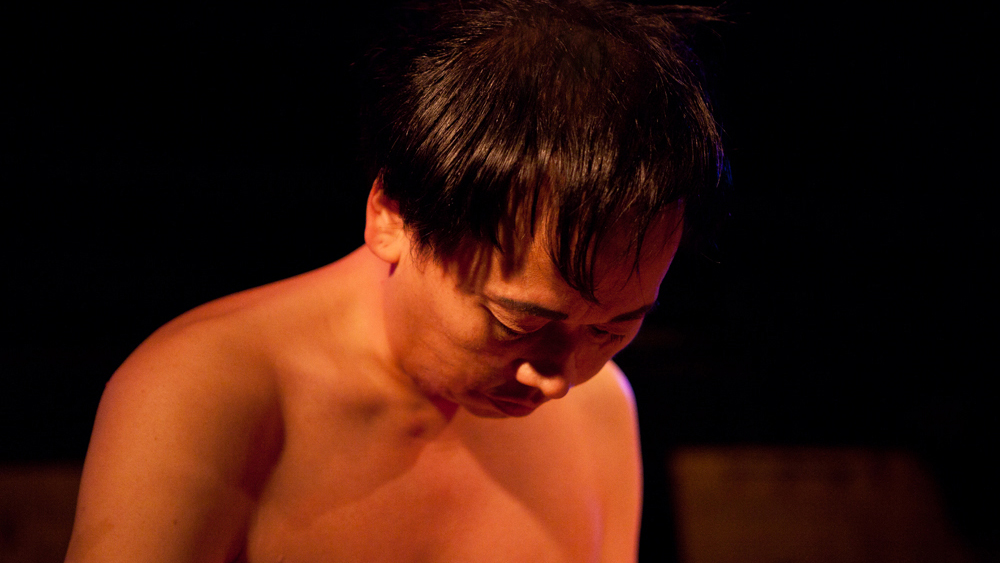


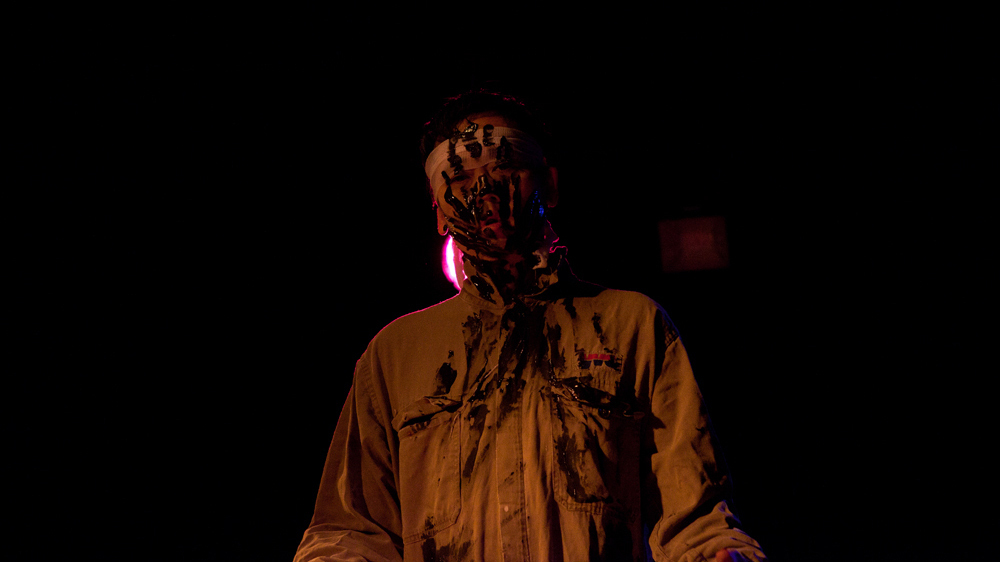

Video Omni Generosity short version
That access code does not open this video. Please try again.
Share this:
- Share on Facebook (Opens in new window) Facebook
- Share on X (Opens in new window) X
- Share on LinkedIn (Opens in new window) LinkedIn
- Share on Tumblr (Opens in new window) Tumblr
- Share on Reddit (Opens in new window) Reddit
- Share on Mastodon (Opens in new window) Mastodon
- Share on Threads (Opens in new window) Threads