
Eden
(2017) ’12 Performance film of Philemon Mukarno
Eden
PERFORMANCE VIDEO
CONCEPT
PHILEMON MUKARNO
DIRECTOR
JULIA FILAMENT
MUSIC BY
MARTINE VON GLEICH
EDITED BY
PHILEMON MUKARNO
CAMERA
HINKO MAYERHOLD
PRODUCER
PHILEMON MUKARNO
PERFORMANCE VIDEO
CONCEPT PHILEMON MUKARNO
DIRECTOR JULIA FILAMENT
MUSIC MARTINE VON GLEICH
EDIT PHILEMON MUKARNO
CAMERA HINKO MAYERHOLD
PRODUCER PHILEMON MUKARNO
Eden
Radical Honesty Through Nakedness
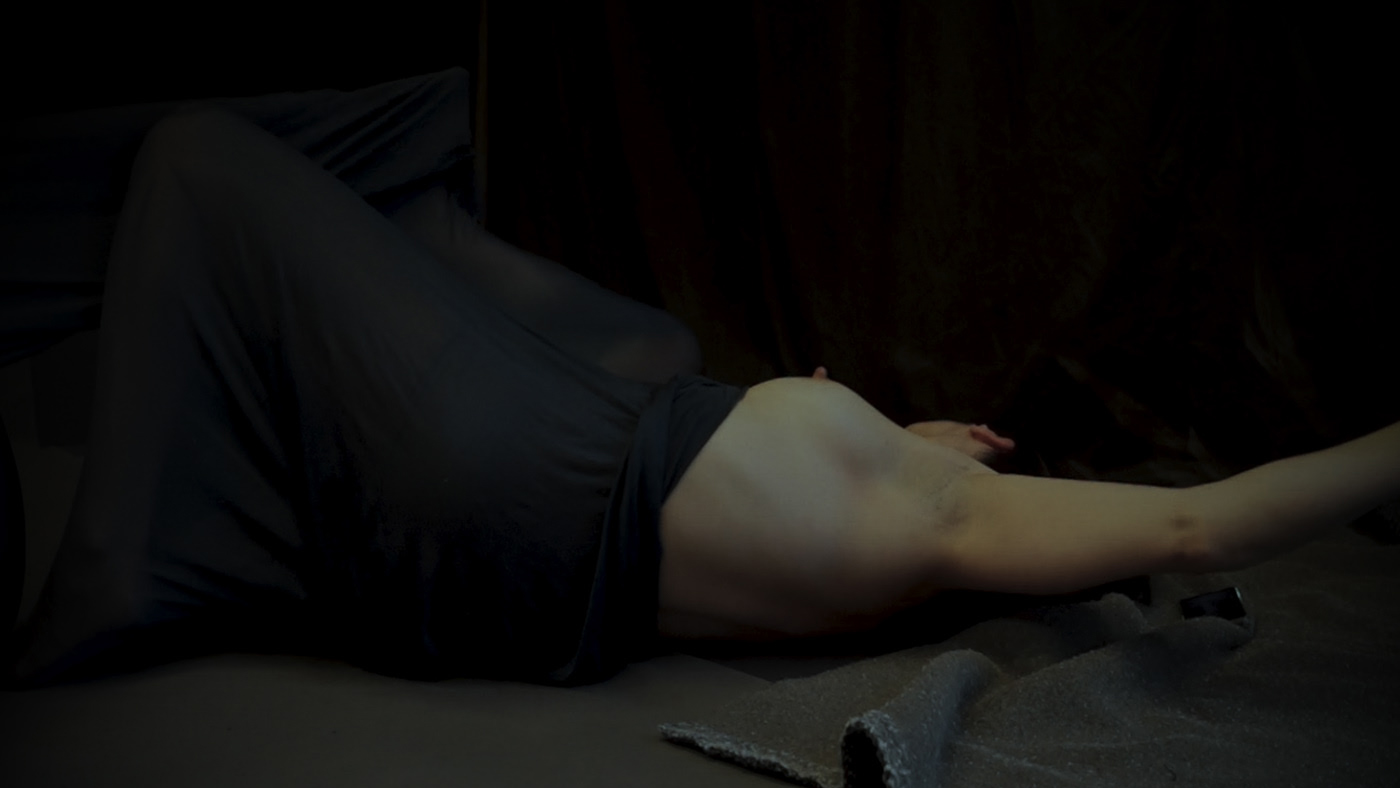
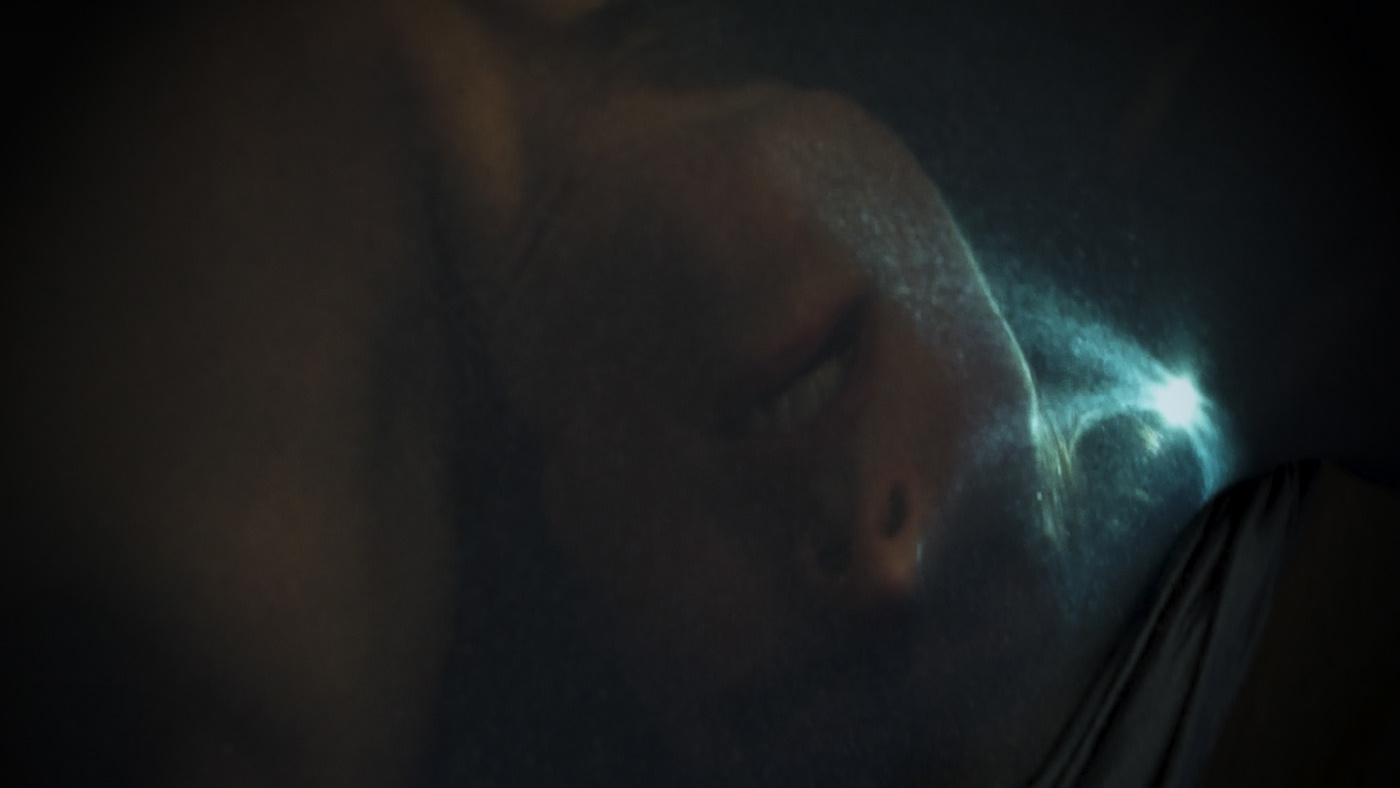
The Garden of Eden, in Philemon Mukarno’s reading, is not a place of innocence. It is a site of exposure — the moment before shame, before the fig leaf, before the body became something to conceal. In the performance film Eden, Mukarno returns to that threshold and stays there, working the naked body as both subject and medium.
Mukarno works from a position of deliberate vulnerability. In Eden, he appears naked throughout — not as symbol, not as provocation in the contemporary art-world sense, but as a formal condition. The removal of clothing is the starting point, not the statement. What comes after it — the movement, the sound, the ritual — is where the actual work happens. The nakedness creates the conditions for everything else: a quality of exposure that cannot be faked, that registers differently in the body of the performer and in the eye of the viewer.
Central to the film is the figure of Kali, the Hindu goddess associated with destruction, time, and the dissolution of ego. Mukarno’s embodiment of Kali is not pastiche or cultural tourism. It is a structural choice: Kali is described in classical texts as naked and unbound, “clad in space” — a figure whose nudity is not absence but fullness, not vulnerability but cosmic force. By placing this figure inside the frame of Eden, Mukarno creates a collision between two mythologies of the human body: the Western Judeo-Christian tradition in which nakedness signals the fall, and a Hindu tradition in which the unclothed body of the goddess signals power so vast it needs no covering.
The movement vocabulary of Eden is slow, deliberate, and at times grotesque — closer to Butoh than to conventional dance. The body is not presented as beautiful or idealized. It moves through postures that are ungainly, held too long, pushed past grace into something rawer. This is intentional. Mukarno treats the body as a site of investigation, not display. The slowness forces the viewer to look without the relief of spectacle — to sit with the reality of flesh, bone, weight, the way a naked body actually occupies space.
Mukarno’s electronic score runs through the film as both support and pressure. He builds from his background as a composer trained at the Royal Conservatory of The Hague and Codarts. The music does not illustrate the performance; it runs alongside it, sometimes in tension. There are passages of near-silence, moments where a single sustained frequency amplifies the sense of exposure, and sections of denser layering that build without release. The combination of naked body and composed electronic sound is a signature of Mukarno’s practice — the precision of one formal system in contact with the vulnerability of another.
The film draws explicitly on Tantric philosophy, in which the naked body is understood as a vehicle for spiritual energy rather than a source of shame. In Tantric practice, the body is not transcended; it is worked with, used as the primary instrument of transformation. Eden takes this seriously as a structural premise, not as aesthetic borrowing. Nudity functions here as what Mukarno calls radical transparency — a state in which the usual mediations of costume, persona, and social identity are removed, leaving something more elemental and more difficult.
What that something is remains deliberately unresolved. Eden does not offer catharsis or conclusion. It holds its conditions — nakedness, stillness, duration, the weight of two mythological frames colliding — and asks the viewer to remain inside them. The destruction that Kali represents is not resolved into rebirth. The garden is not restored. The film ends where it begins: with a naked body, present, exposed, demanding attention without explaining why.
This refusal to resolve is where the work’s authority lies. It would be simpler to wrap the nakedness in clear symbolic payoff, to let the Tantric reference do the ideological work and move on. Mukarno doesn’t. He stays in the exposed state longer than is comfortable, and the discomfort is the point.
Eden is not a film about spiritual ideas. It is a film made from a body, for bodies — a practice in confronting what nakedness actually does when it is held in place, sustained, and refused the mercy of metaphor.





Video Eden B/W
After purchase you receive an access code by email.
That access code does not open this video. Please try again.
Video Eden
That access code does not open this video. Please try again.