Broken Heart (2020)4h
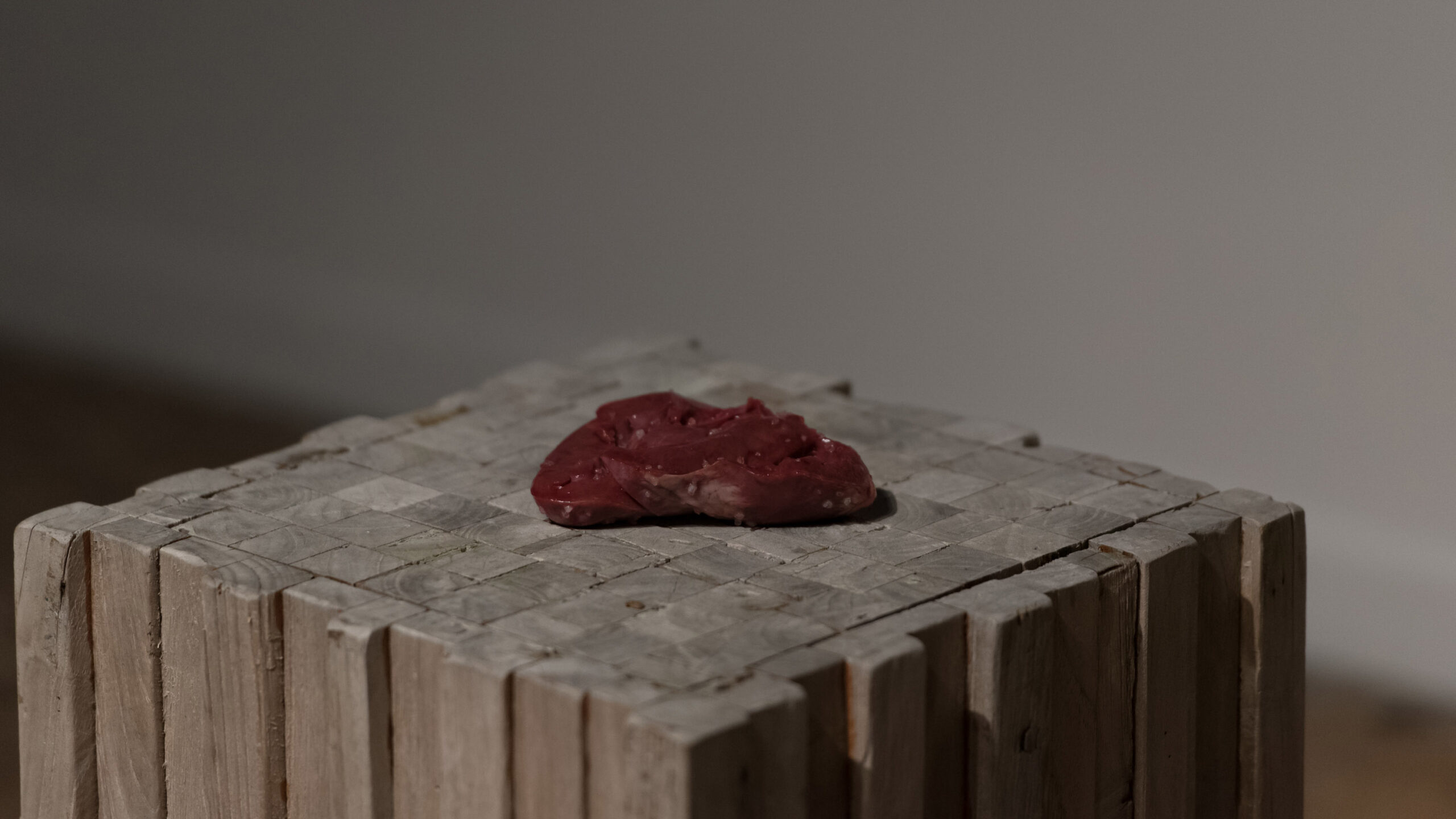
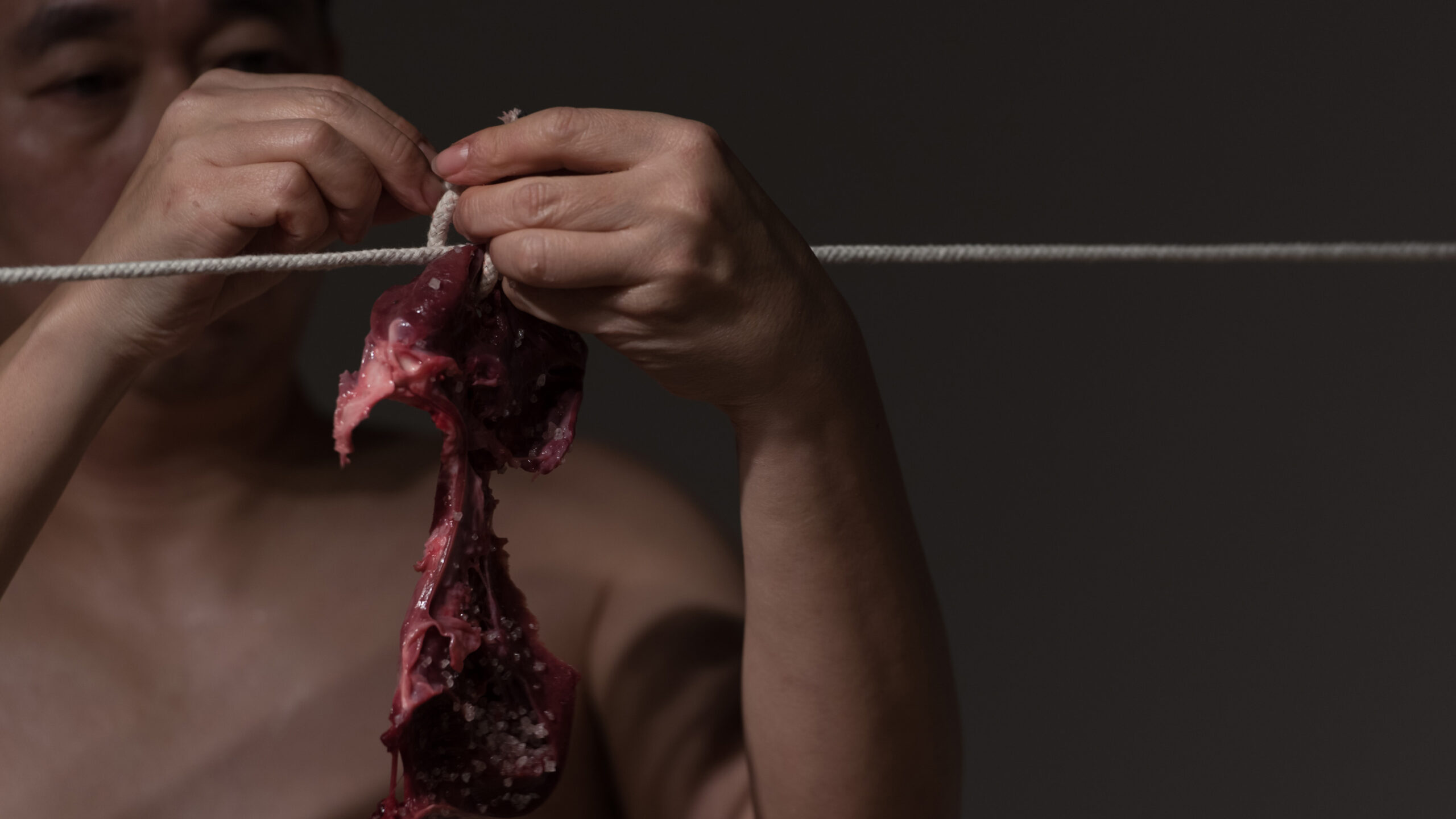
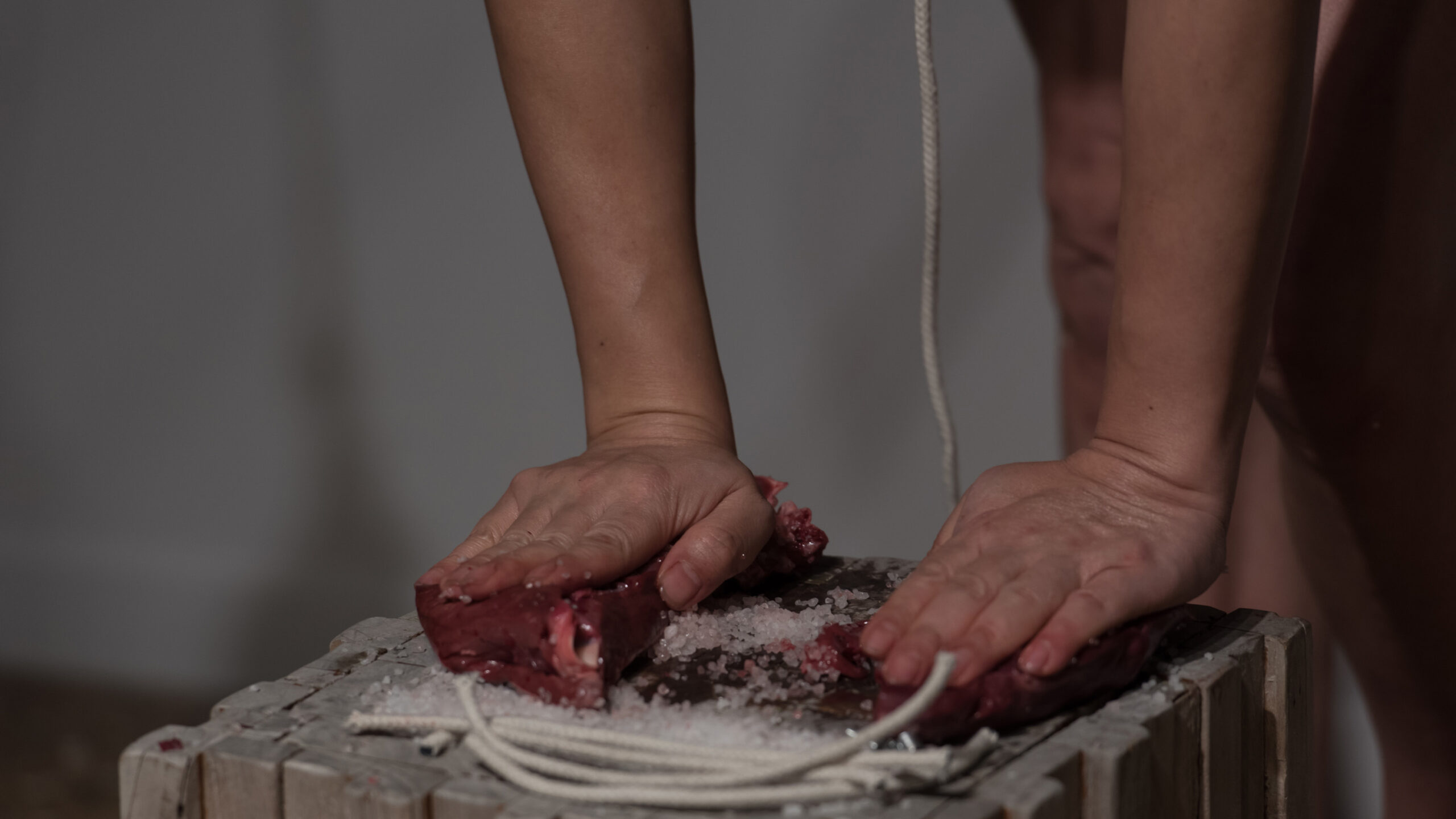
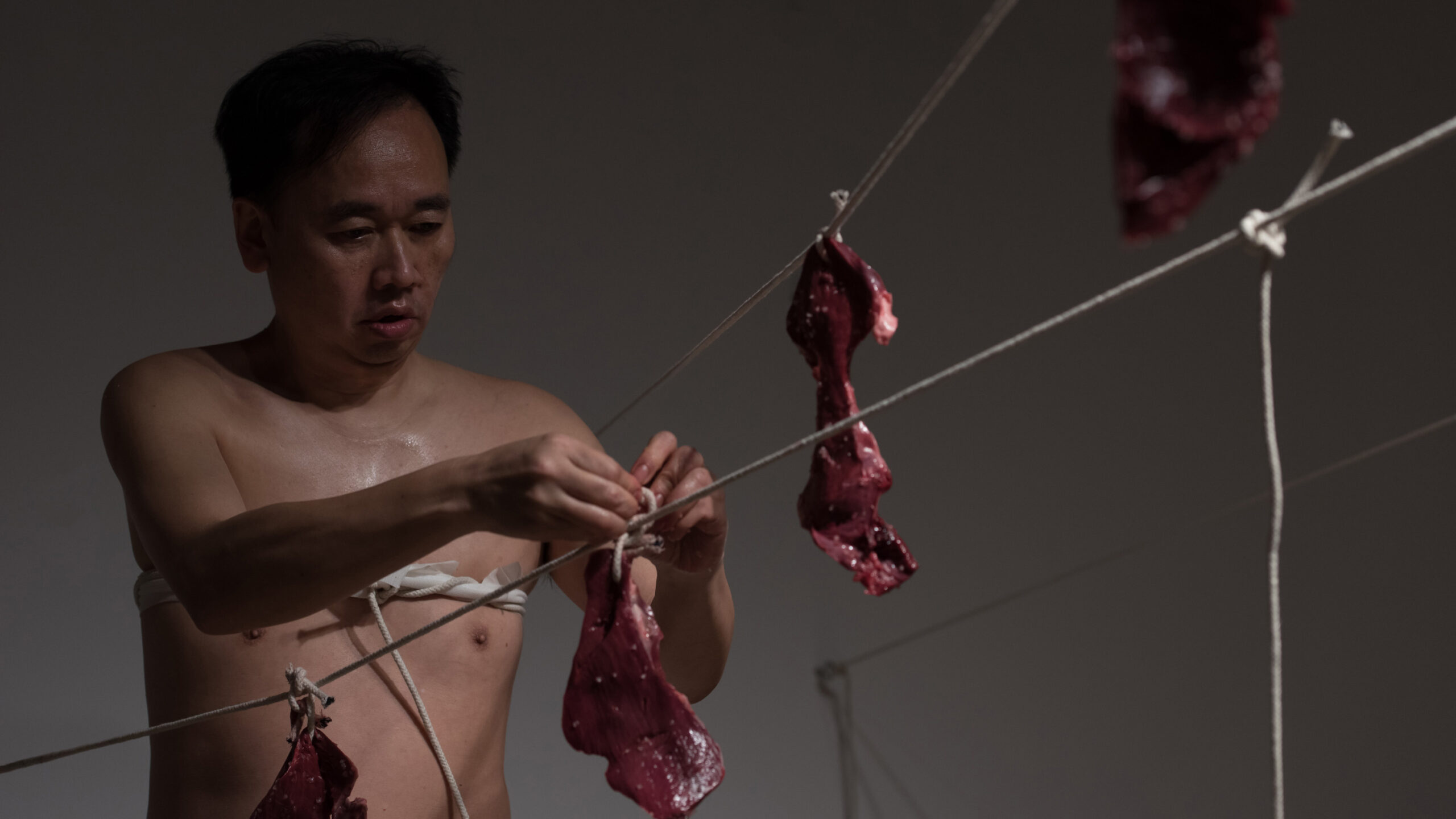
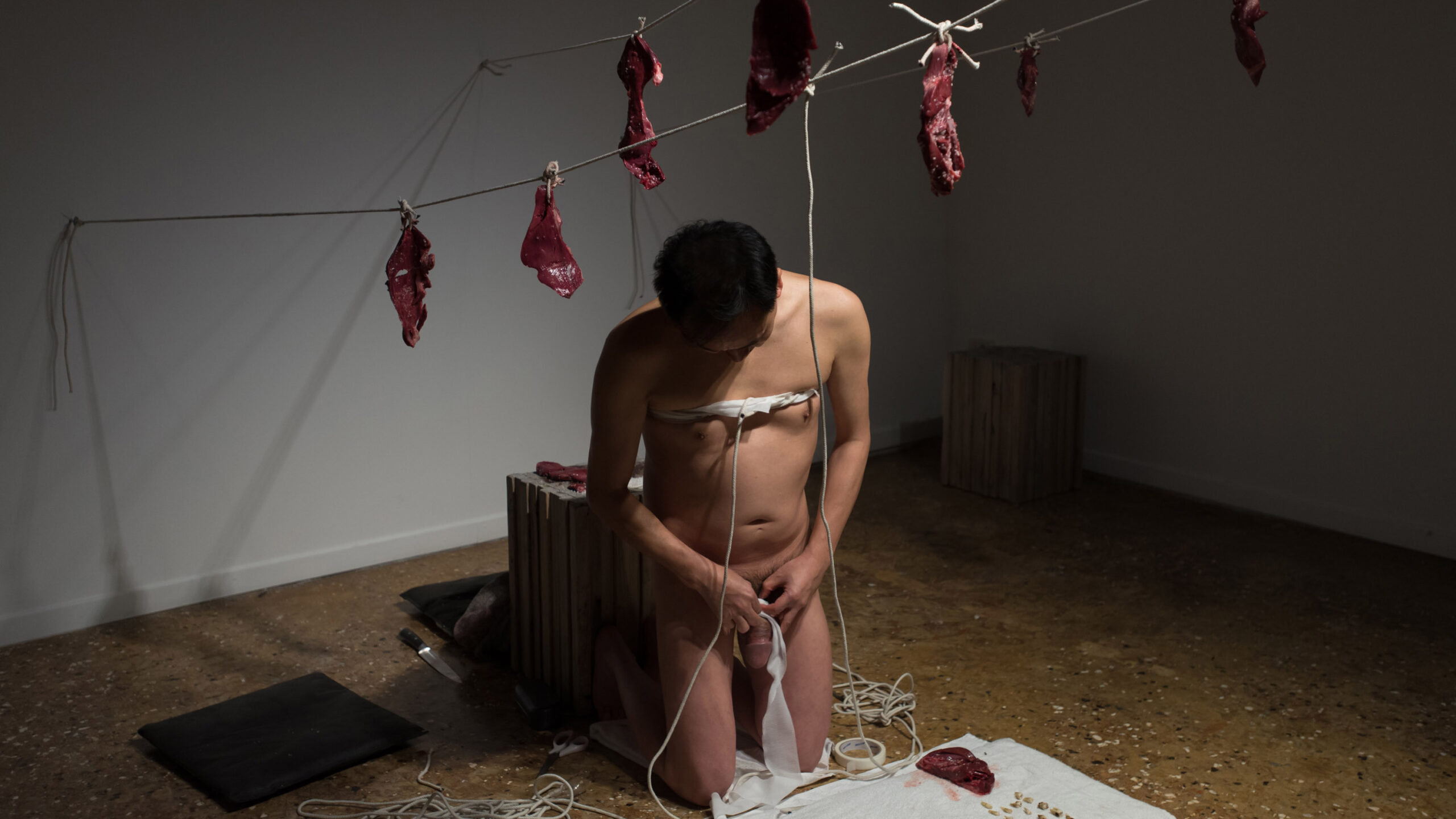
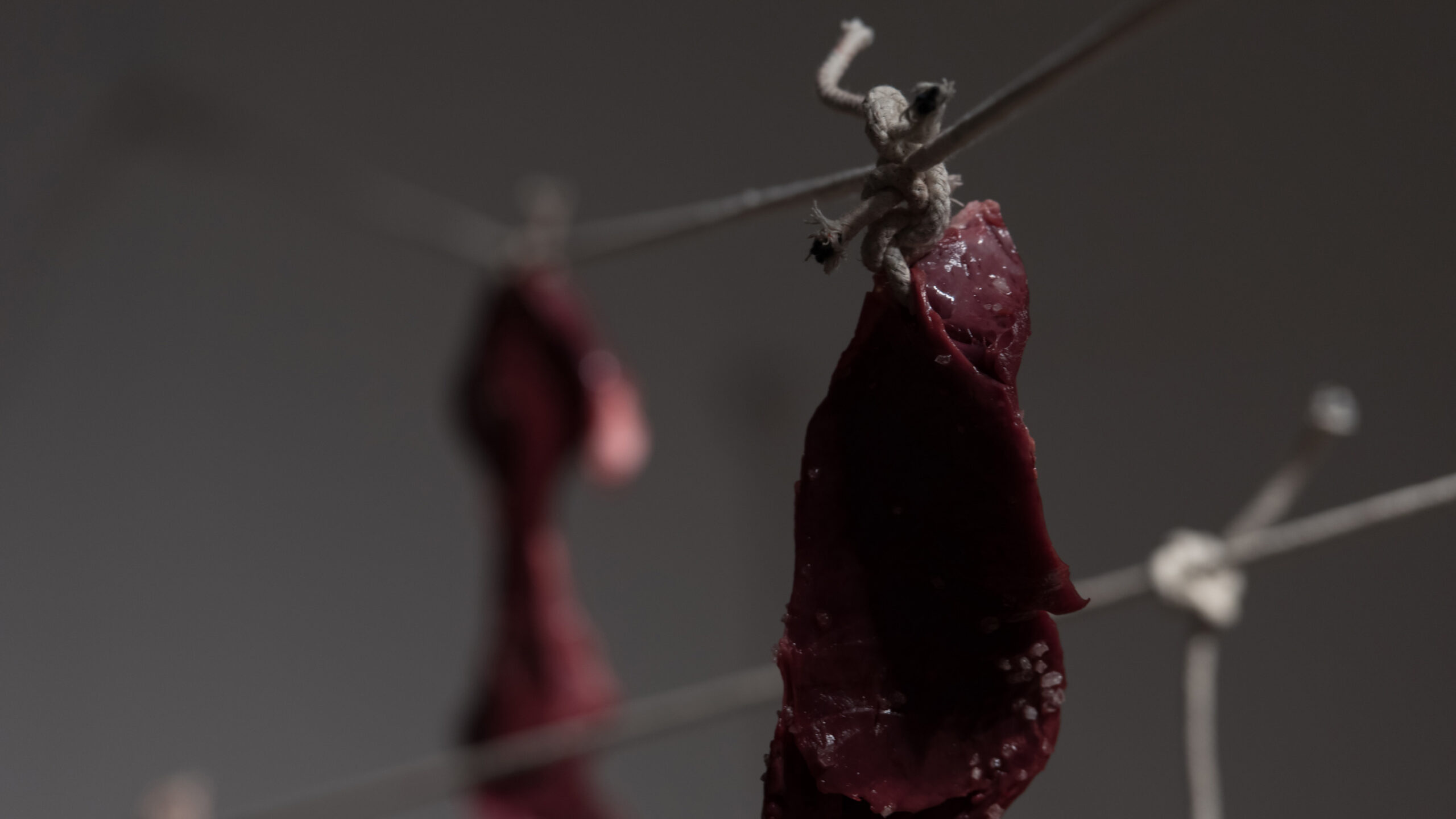
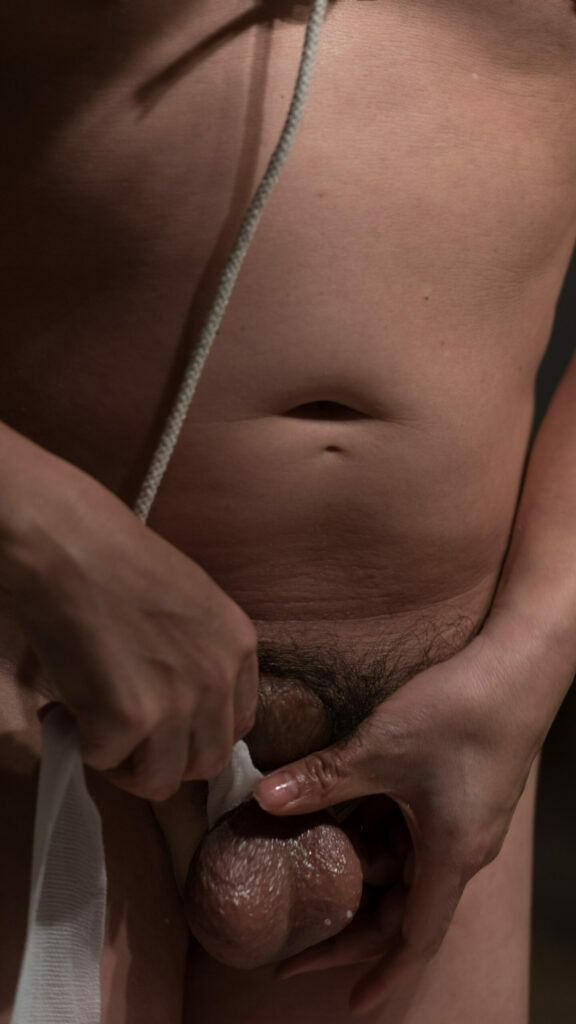
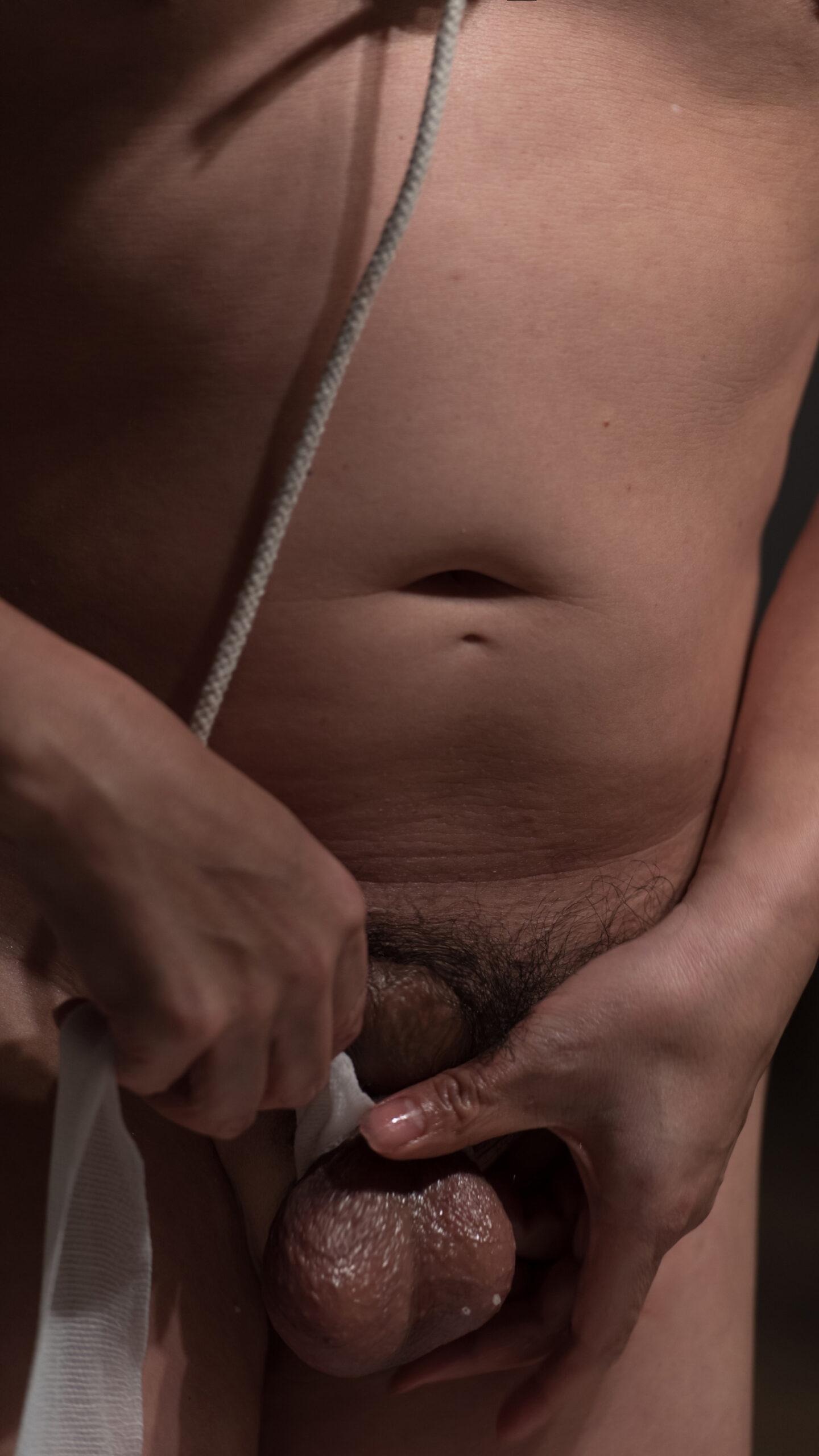
An autobiographical solo performance. The protagonist — deeply indoctrinated, psychologically bound — moves through the architecture of his own mind: untangling nets of memory, opening what was closed, releasing what had been held.4 hours. Venice International Performance Art Week, Palazzo Mora, Venice, Italy, January 2020. Photography: Lorenza Cini.
Is identity a place we enter, or that of simply being?
We do not operate in a vacuum. Our history, environment, context and cultural background feed into the work we produce, when it is creative by nature. It is the same for our identities. They exist in our corporeality and mind structures. They consist of the same matter of our dreams, where everything coexists in the very instant of its disappearance.




But we should never forget that our lives are ruled by time’s inevitable, relentless passage. Always we have less of it than we had a moment ago. How do we move through time? How does time move through us? What is its effect on our actions and our bodies? What is its impact on the audience? We ask them to spend their time with us. What allows them to feel that it was worth surrendering a portion of their lives to the experience of our work?
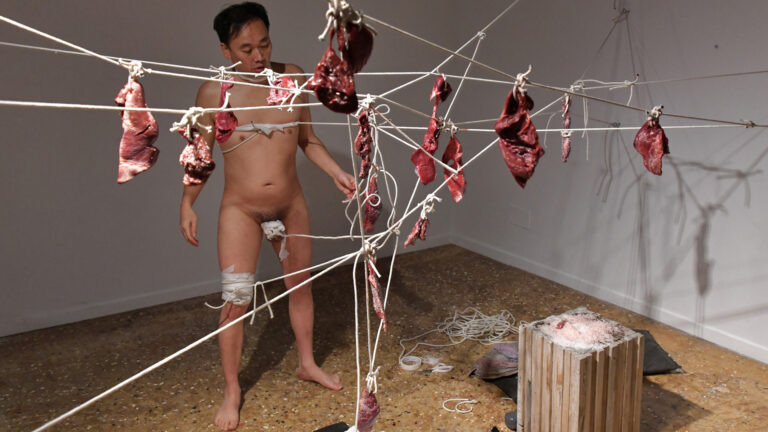
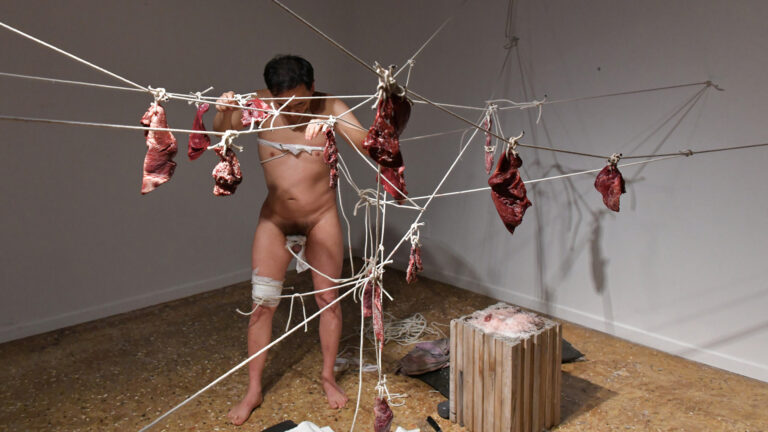
We can think of time as a tool, and our task is to more consciously use time in performance. The element of time becomes apparent through material and physical processes. But how often do we ignore or resist its impact? What happens when we actually allow those processes to unfold over the real time that they need? What occurs when we actively apply different time frames to our actions? How might we transform our own or other people’s sense of time?

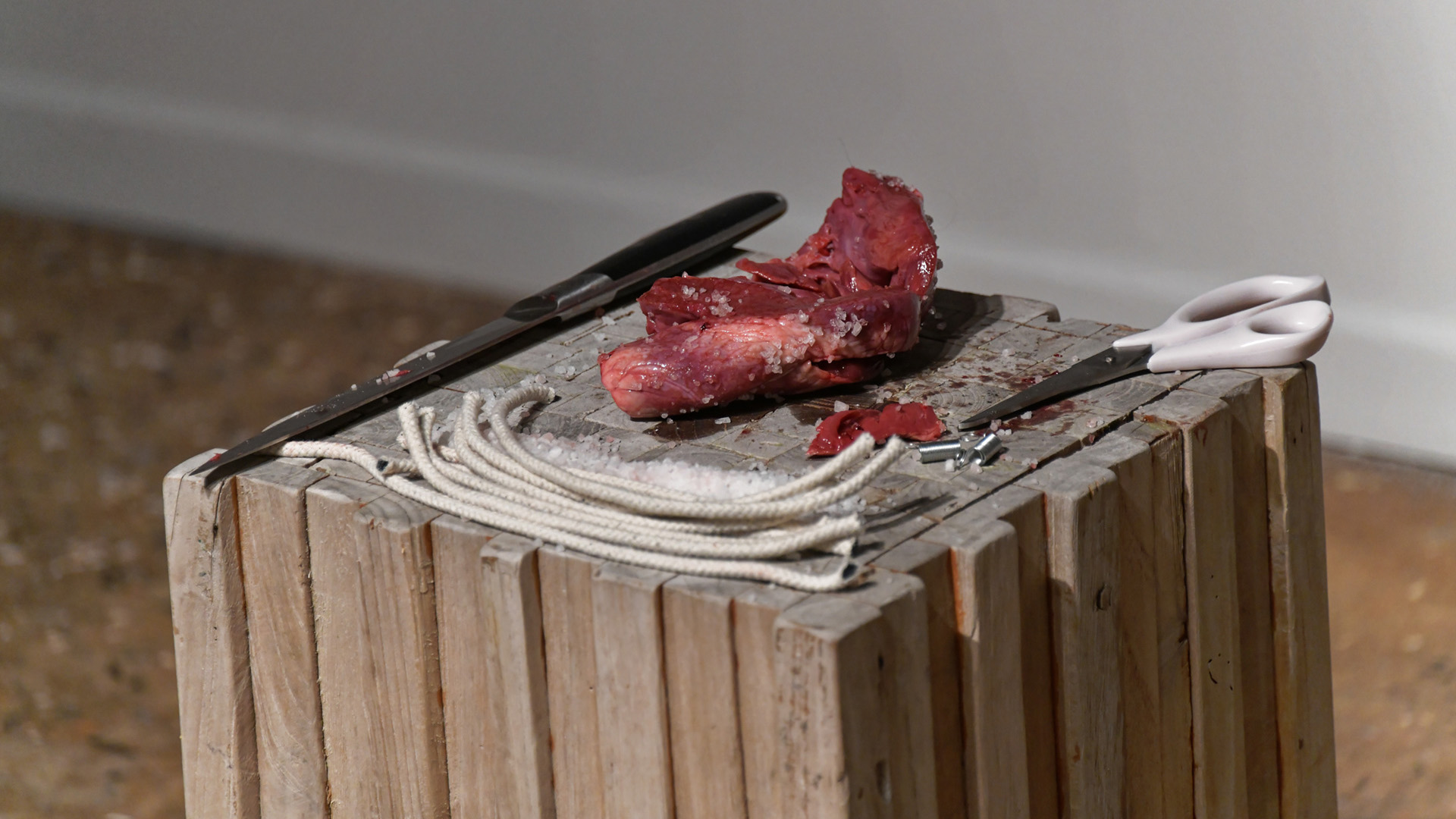


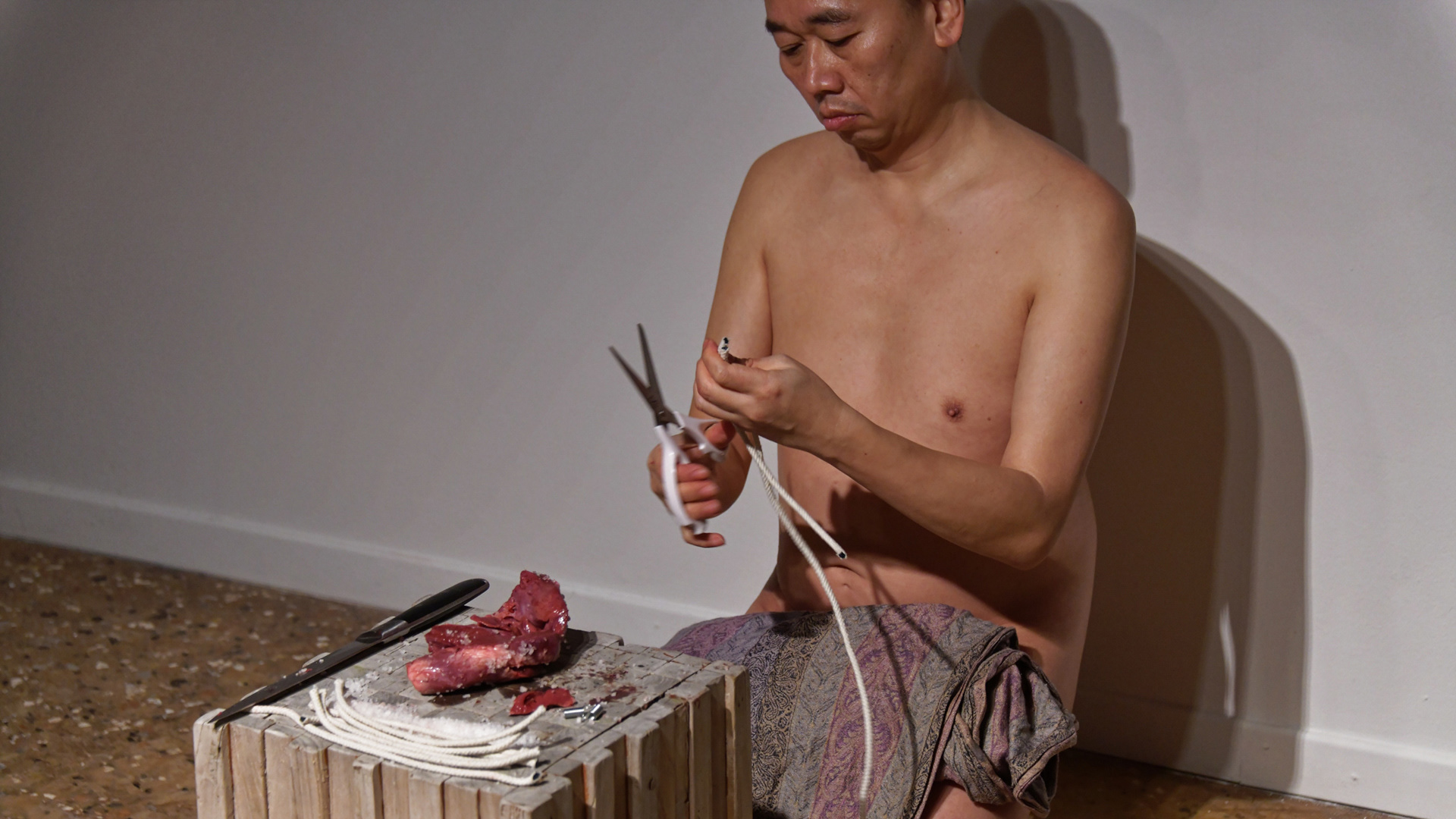


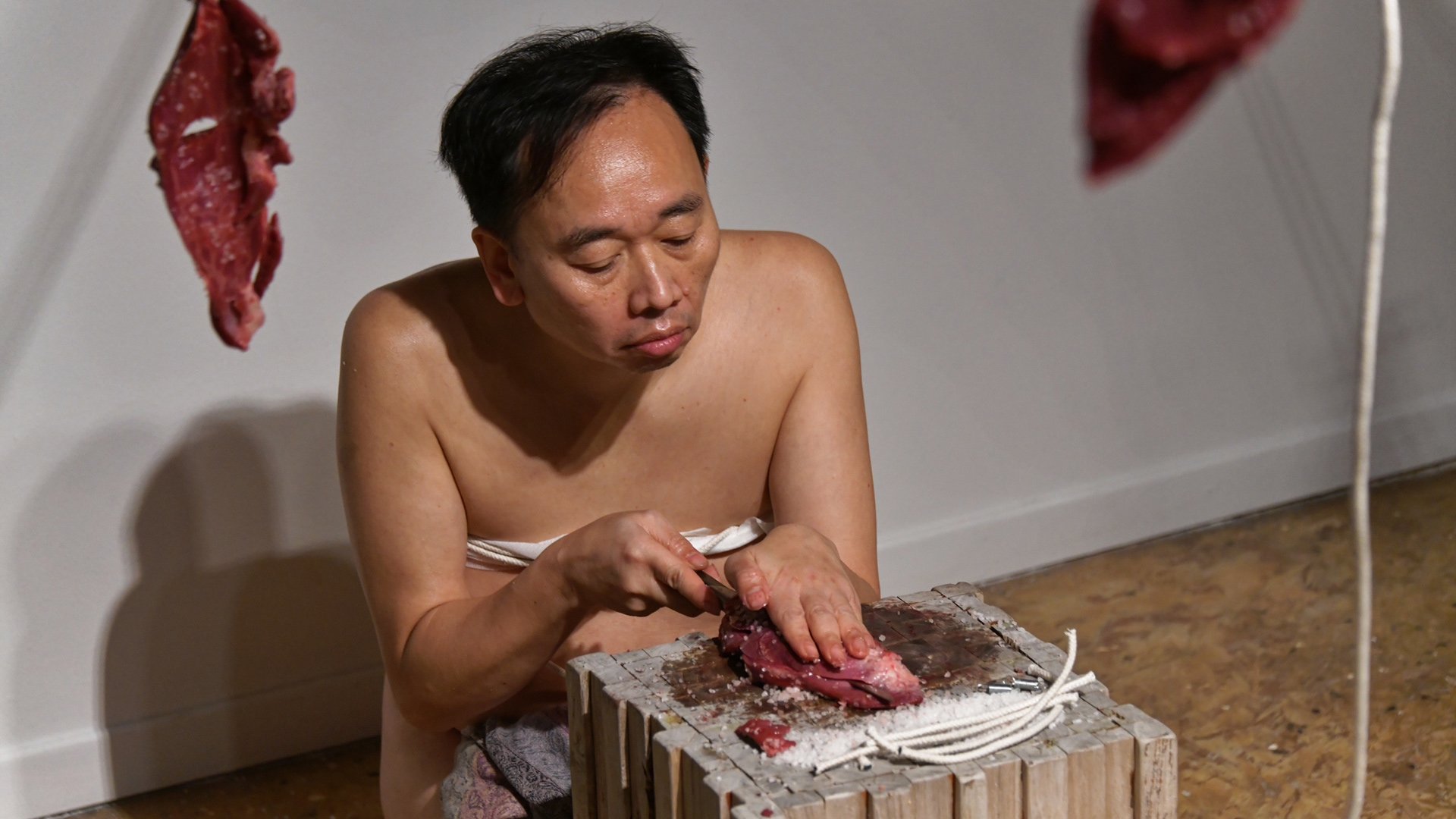
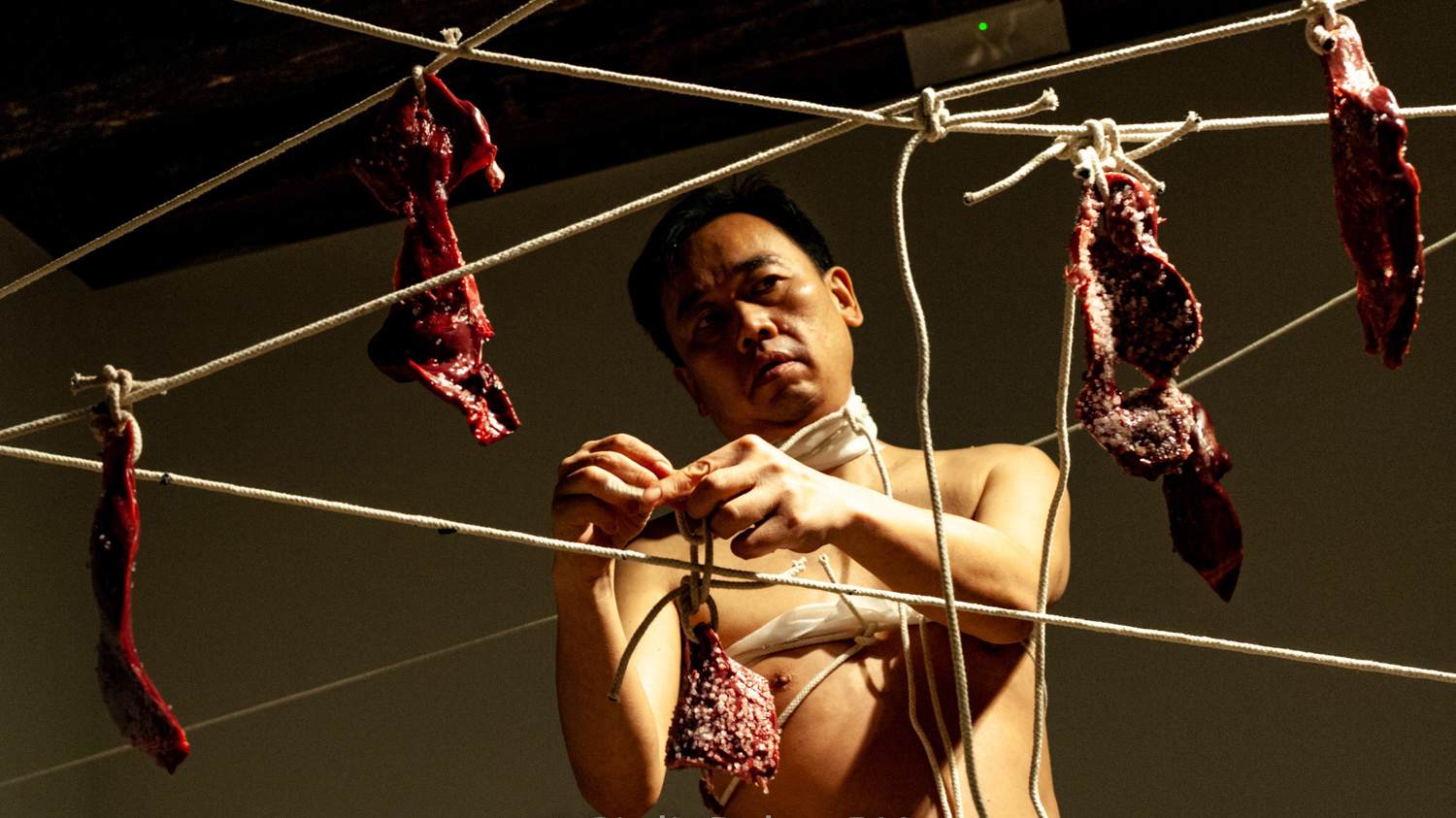


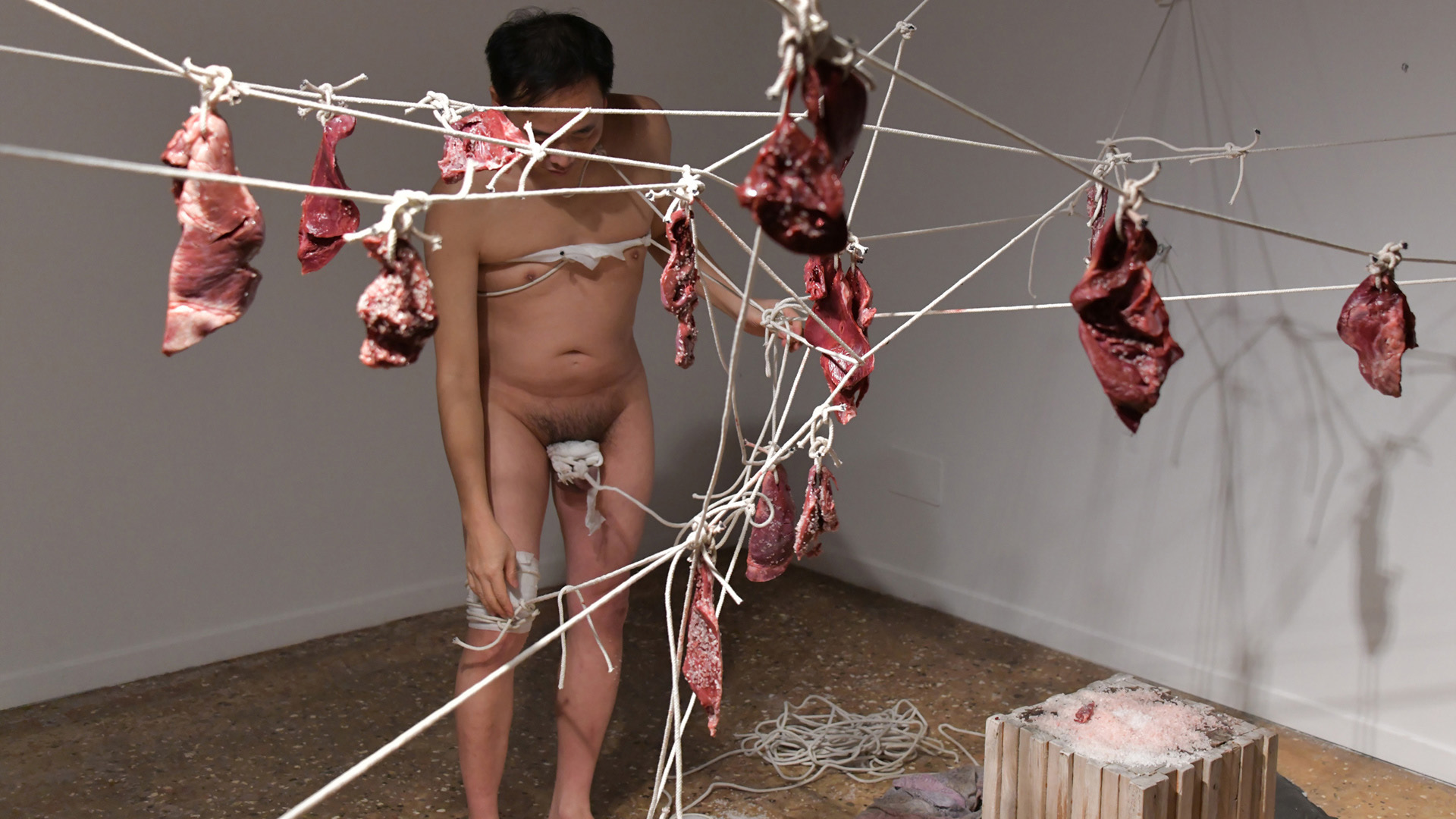


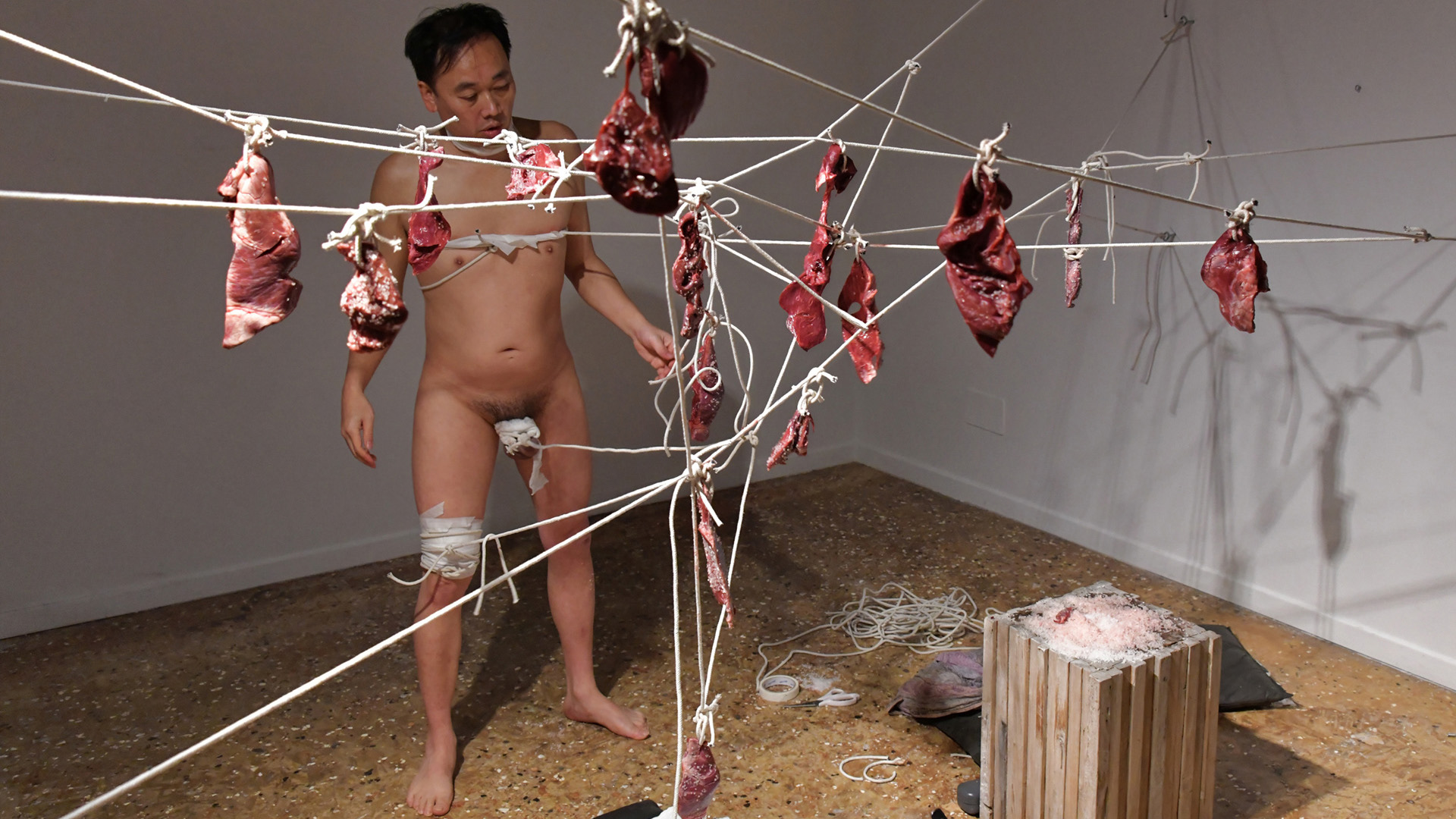


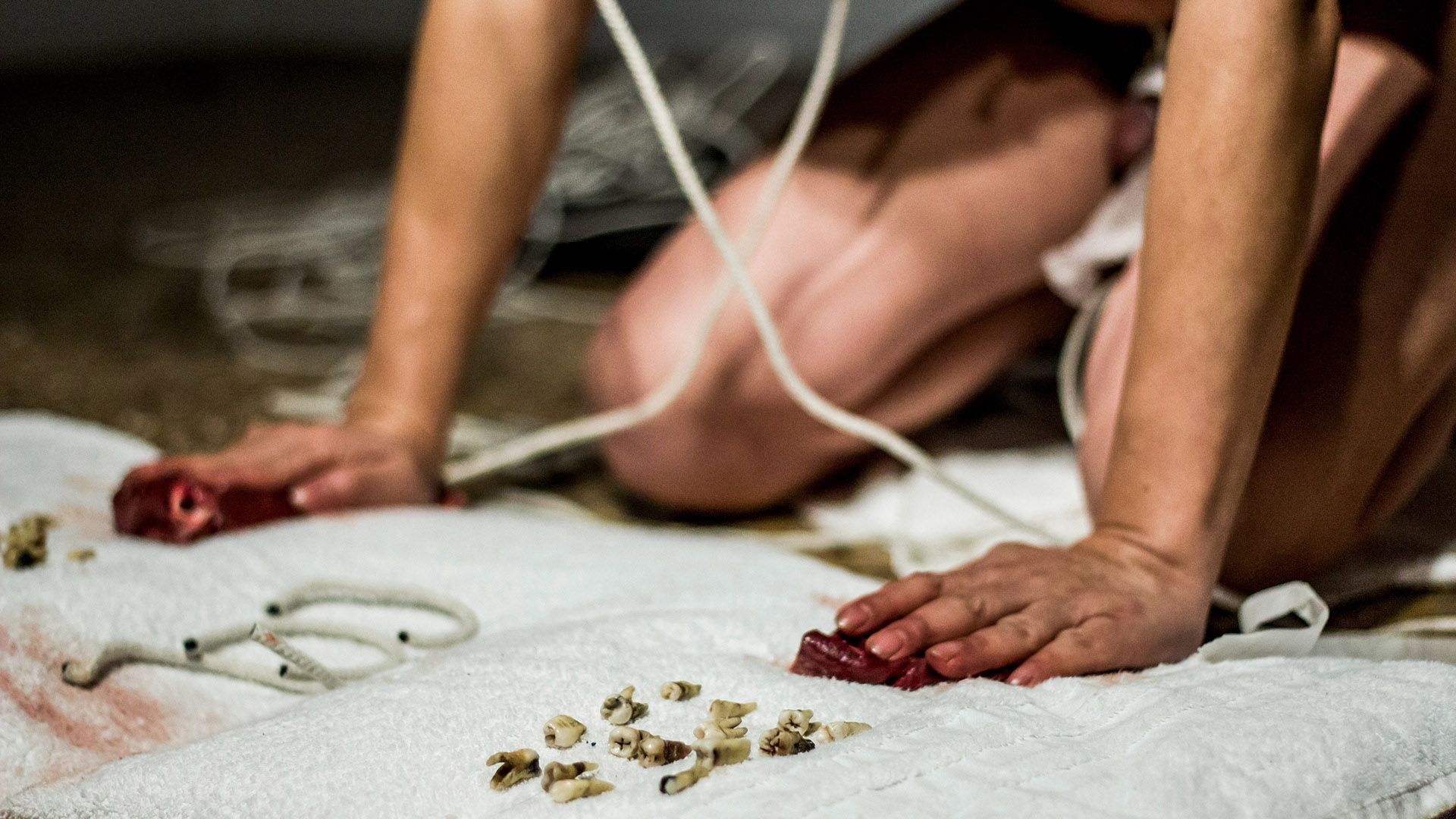


broken heart
We perform our identities, differences and diversities every day through how we present ourselves publicly, and how we engage with each other is often based on our assumptions about others’ potential identities. At times we shift between presentations of ourselves that we are actively constructing, to other more unconscious manifestations of ourselves. However, a fluidity emerges as we move between diverse contexts and encounter a variety of people and communities. In this way, our changing expressions of our identities also recuperate dissent for equality, which is not only a crucial political issue but a profoundly philosophical dilemma.
And yet, as artists, it is crucial that we remain fully present, and as fully aware as we can possibly be of every nuance of who and what and how we are at this very moment in time. To the degree that we are conscious of who we are – what we are feeling, to what we are paying attention, what choices we are making, our fears, our hopes, our dreams – will allow us to make use of all these elements in the creation of our art.