
Jellyfish (2022) '10
Video Performance by Philemon Mukarno made in Can Tomeu, Eivissa, Baleares, Spain
Jellyfish: Philemon Mukarno's Naked Desert Dance Spiritual Performance Art
Introduction: Where Ocean Meets Sand Through Naked Dance
Philemon Mukarno’s “Jellyfish” represents a groundbreaking video performance art piece. Created at Can Tomeu in Eivissa, Ibiza, Baleares, Spain, it transforms the desert landscape profoundly. The work fuses naked body exploration with spiritual inquiry unusually. Additionally, it reimagines familiar ocean creatures through radical artistic reinterpretation. Therefore, this performance challenges viewers to reconsider bodily vulnerability and spiritual essence. Furthermore, the desert setting becomes a metaphorical space for inner transformation. Consequently, “Jellyfish” emerges as a unique meditation on human consciousness and spiritual awakening. This article explores the profound dimensions of this extraordinary performance art piece.
The central conceit proves both fantastical and philosophically profound simultaneously. A nude jellyfish navigates the arid Ibiza landscape impossibly. This surreal imagery functions as powerful metaphor for human spiritual journeys. Additionally, the jellyfish embodies the naked soul stripped of protective illusions. Moreover, the desert symbolizes life’s challenges and spiritual seeking pathways. Therefore, the creature’s vulnerable exposure mirrors authentic human spiritual experience. Furthermore, every movement carries symbolic resonance exploring consciousness itself. Consequently, viewers witness living poetry addressing universal human questions meaningfully.
Understanding Jellyfish as Spiritual Metaphor: The Desert Pilgrimage
The jellyfish traditionally represents oceanic existence and aquatic grace naturally. However, Mukarno relocates this creature to barren desert landscapes deliberately. This displacement creates profound philosophical tension and artistic power. Additionally, the incompatibility between ocean and desert mirrors human alienation from spiritual homes. Therefore, the naked jellyfish embodies displaced consciousness seeking authentic grounding. Moreover, the creature’s transparent bell reflects vulnerability exposing internal essence completely. Furthermore, this biological honesty parallels spiritual nakedness Mukarno’s work consistently explores. Consequently, the metaphor operates on multiple levels simultaneously throughout the performance.
The desert serves as more than mere scenic backdrop in this work. It becomes a character itself within the narrative structure. Additionally, the harsh, unforgiving landscape challenges the jellyfish relentlessly. Therefore, survival itself becomes a spiritual act requiring profound commitment. Moreover, each movement through sand represents effort toward enlightenment. Furthermore, the vastness of desert wilderness evokes cosmic consciousness directly. Consequently, the environment transforms into a testing ground for authentic spiritual exploration and growth.
The Mystical Glow: Luminescence and Spiritual Radiance
As the nude jellyfish moves, mysterious radiance emanates from its transparent form. This ethereal glow illuminates surrounding darkness metaphorically and visually. Therefore, the bioluminescence suggests inner spiritual light transcending material darkness. Additionally, the light represents authentic truth burning beneath surface appearances. Moreover, in traditional performance art, light symbolizes consciousness and awakening powerfully. Furthermore, Mukarno’s jellyfish glowing suggests enlightenment emerging from vulnerability itself. Consequently, the visual imagery communicates spiritual transformation through cinematic language.
The transparent bell pulses with otherworldly luminescence rhythmically throughout movement. This visual effect recalls sacred manifestations across many spiritual traditions universally. Additionally, the glow intensifies emotional connection between performer and observer. Therefore, viewers experience the jellyfish not as mere creature but spiritual entity. Moreover, the radiance suggests that vulnerability contains profound beauty and wisdom. Furthermore, this aesthetic choice transforms nakedness from potentially uncomfortable into transcendent. Consequently, the glowing effect becomes central to the work’s spiritual power fundamentally.
Dancing in Sand: Movement as Spiritual Expression
The nude jellyfish dances gracefully through desert sand with fluid intentionality. Every gesture mirrors the ocean’s undulating rhythms despite landlocked surroundings completely. Therefore, the creature maintains its essential nature despite environmental displacement radically. Additionally, the fluid movements contrast sharply with desert terrain’s hardness. Moreover, this juxtaposition creates visual poetry exploring resistance and adaptation. Furthermore, the dance itself becomes meditation on impermanence and spiritual flow. Consequently, viewers witness embodied philosophy expressed through pure movement and somatic vocabulary.
The creature’s movements echo Mukarno’s training in Butoh dance traditions profoundly. Additionally, Butoh’s philosophical emphasis on vulnerability and authenticity aligns perfectly. Therefore, the slow, deliberate articulation of limbs reveals profound spiritual content. Moreover, each gesture carries weight despite the jellyfish’s typical weightlessness conceptually. Furthermore, the dance rhythms mirror human heartbeats and breathing patterns. Consequently, the performance establishes profound somatic connection with observing audiences deeply.
Contemplating the Universe: Cosmic Consciousness in Desert Solitude
In the desert’s profound solitude, the naked jellyfish confronts cosmic vastness directly. The expansive sky filled with stars invites spiritual wonder and existential questioning. Therefore, the creature becomes microcosm reflecting infinite universal consciousness. Additionally, the vastness challenges individual ego and personal limitations fundamentally. Moreover, contemplation in such isolation produces spiritual humility and divine connection. Furthermore, this moment captures essential human yearning to understand existence itself. Consequently, the performance addresses universal questions about consciousness and cosmic belonging.
Mukarno’s use of desert landscape specifically amplifies these existential dimensions remarkably. The emptiness forces focus inward toward genuine spiritual inquiry. Additionally, without distractions, the jellyfish confronts fundamental questions about existence directly. Therefore, this isolation mirrors spiritual pilgrimage traditions across many cultures. Moreover, the vastness surrounding the tiny creature emphasizes human insignificance paradoxically. Furthermore, this insignificance paradoxically produces spiritual significance and meaning-making. Consequently, viewers experience profound contemplation mirroring the performer’s journey inward symbolically.
Oases of Wisdom: Sacred Moments of Spiritual Revelation
Throughout the jellyfish’s desert journey, unexpected moments of clarity emerge suddenly. These oases represent spiritual awakenings and revelations appearing throughout life’s challenges. Additionally, they symbolize moments when divine wisdom touches human consciousness directly. Therefore, each oasis becomes sacred space within the larger performance narrative. Moreover, these moments refresh and nourish the wandering spirit. Furthermore, they represent hope and possibility amid apparent spiritual desolation. Consequently, the performance structure includes cyclical patterns of struggle and grace.
The oases metaphorically represent encounters with truth and authentic connection. Additionally, they embody spiritual teachers, sacred texts, or transformative experiences. Therefore, the jellyfish must seek these out actively rather than passive reception. Moreover, this active seeking mirrors genuine spiritual practice and commitment. Furthermore, the rarity of oases underscores how precious spiritual moments become. Consequently, the performance celebrates the sacred appearing unexpectedly within mundane human experience.
Peace Within: Finding Serenity Through Vulnerability and Acceptance
As desert sunlight fades gradually, the jellyfish’s movements slow into tranquil stillness. This deceleration mirrors spiritual peace emerging from acceptance rather than resistance. Therefore, the creature finds serenity not through escape but through authentic presence. Additionally, the quieting movements suggest surrender to what simply is. Moreover, this acceptance produces profound peace transcending ego’s constant struggle. Furthermore, the nighttime setting suggests entry into deeper consciousness and dream states. Consequently, viewers witness transformation from active struggle to meditative peace.
The jellyfish floating under vast stellar canopy embodies eternal transcendence directly. Additionally, this final image captures the soul’s connection to infinity itself. Therefore, the performance suggests that authentic peace comes from recognizing eternity within. Moreover, the endless night sky represents timelessness beyond human suffering and limitation. Furthermore, this conclusion affirms spiritual philosophy at the work’s deepest level. Consequently, the ending offers viewers profound comfort and existential reassurance genuinely.
Shedding Illusion: The Naked Body as Vehicle for Authentic Expression
Central to Mukarno’s artistic vision stands the body stripped of protective illusions completely. Nakedness represents the ultimate truth-telling medium available to performance artists. Therefore, the nude jellyfish embodies vulnerable authenticity refusing conventional concealment. Additionally, Mukarno’s nudity challenges societal shame associated with unclothed human flesh. Moreover, this radical exposure transforms shame into spiritual authority paradoxically. Furthermore, viewers must confront their own discomfort with bodily vulnerability directly. Consequently, the nakedness becomes essential rather than gratuitous or sensationalistic.
This philosophical stance aligns with ancient spiritual traditions viewing bodies as sacred. Additionally, many Buddhist and Hindu practices emphasize body acceptance and spiritual grounding. Therefore, Mukarno’s nudity connects contemporary performance art with ancestral wisdom traditions. Moreover, this connection validates his artistic choices through spiritual legitimacy. Furthermore, the naked body becomes altar for divine encounter rather than object. Consequently, audiences experience profound spiritual respect for the performer’s vulnerable exposure.
The Call to Human Spiritual Journey: Transcending Illusion Toward Divine Realization
Ultimately, Mukarno’s “Jellyfish” invites humanity toward inner spiritual odysseys fundamentally. The performance calls viewers to examine their own consciousness and authentic desires. Therefore, the work functions as catalyst for personal spiritual inquiry and transformation. Additionally, it suggests that authentic spiritual realization emerges through vulnerability willingly. Moreover, the jellyfish’s journey mirrors every human soul’s necessary pilgrimage inward. Furthermore, the performance validates that spiritual seeking requires courage and commitment. Consequently, viewers leave inspired to pursue their own authentic spiritual journeys.
The radiant glow represents spiritual realization attainable through genuine authentic practice. Additionally, this inner illumination transcends material circumstances and external conditions completely. Therefore, Mukarno’s vision affirms that divine truth dwells within vulnerable human consciousness. Moreover, spiritual awakening requires shedding protective illusions and ego defenses. Furthermore, this transformative process begins with naked honesty about authentic desire. Consequently, “Jellyfish” stands as powerful invitation toward genuine spiritual realization and freedom.
Conclusion: Sacred Nudity and Contemporary Performance Art Innovation
Philemon Mukarno’s “Jellyfish” represents landmark achievement in naked performance art practice. Therefore, the work demonstrates that nudity can express profound spiritual content meaningfully. Additionally, the desert setting amplifies existential dimensions of solitary spiritual seeking. Moreover, the jellyfish metaphor communicates universal human experiences poetically and powerfully. Furthermore, Mukarno’s artistic vision fuses Indonesian spiritual heritage with European avant-garde sensibilities. Consequently, the performance speaks across cultural boundaries and spiritual traditions.
The video performance format allows wider access to this transformative artistic vision. Additionally, recording the work at Can Tomeu in Ibiza creates specific spiritual resonance. Therefore, the location becomes integral to the piece’s philosophical and aesthetic meaning. Moreover, viewers worldwide can now encounter this radical artistic statement. Furthermore, the performance challenges contemporary assumptions about nakedness and spirituality fundamentally. Consequently, “Jellyfish” contributes meaningfully to ongoing discourse about bodies and sacred art.
Ultimately, “Jellyfish” exemplifies Mukarno’s commitment to authentic artistic expression and spiritual truth. Therefore, the performance invites audiences toward their own transformative spiritual awakening genuinely. Additionally, it affirms that vulnerability and naked honesty lead toward profound wisdom. Moreover, the work celebrates human capacity for spiritual growth and enlightenment. Furthermore, contemporary art reaches its highest purpose when addressing universal human questions. Consequently, Mukarno’s “Jellyfish” stands as radiant beacon illuminating pathways toward authentic spiritual realization and human freedom.


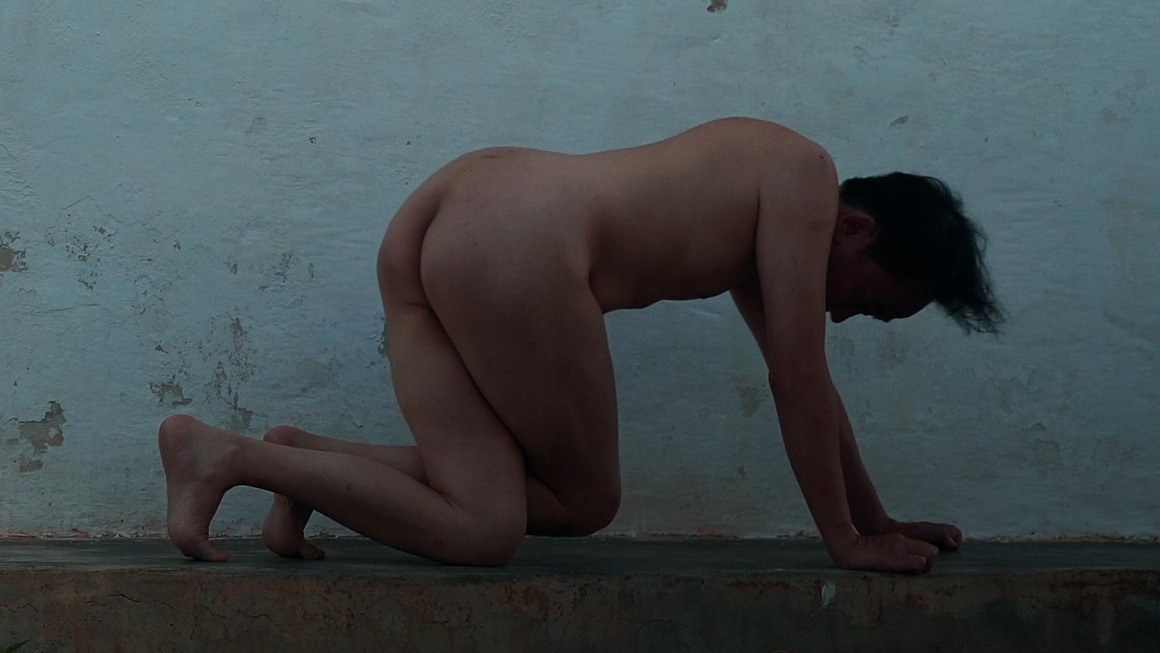


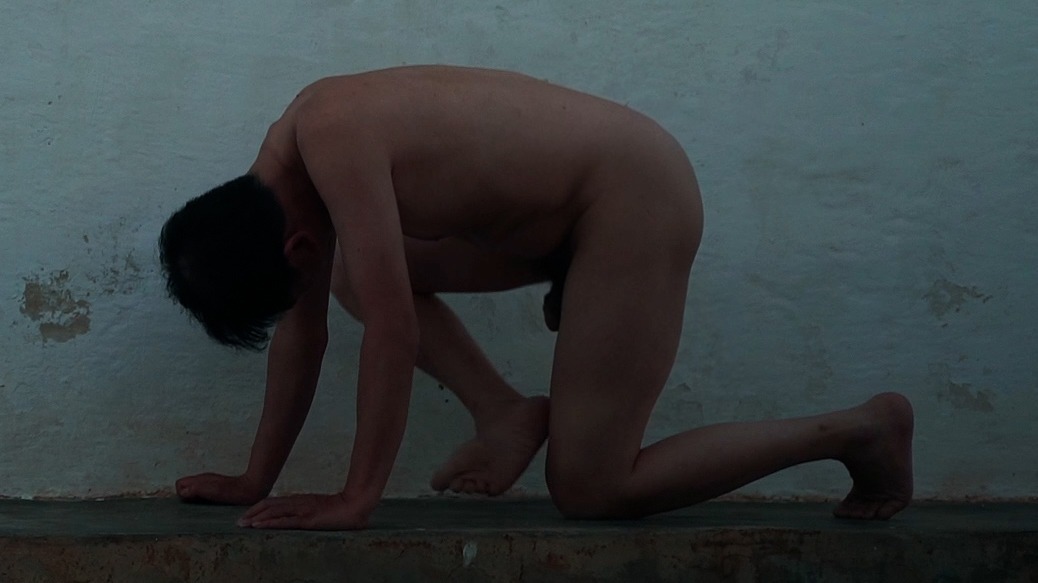





Video Jellyfish
After purchase you receive an access code by email.
That access code does not open this video. Please try again.
Share this:
- Share on Facebook (Opens in new window) Facebook
- Share on X (Opens in new window) X
- Share on LinkedIn (Opens in new window) LinkedIn
- Share on Tumblr (Opens in new window) Tumblr
- Share on Reddit (Opens in new window) Reddit
- Share on Mastodon (Opens in new window) Mastodon
- Share on Threads (Opens in new window) Threads