
Move - Short Film (2024) '08,40 min.
Move: Philemon Mukarno’s Naked Angel Film Spiritual Allegory
Introduction: The Divine Vision of Spiritual Ascension
Philemon Mukarno’s “Move” stands as a groundbreaking short film exploring spirituality through naked embodiment. Created during his residency at Live Art Ireland in Milford House, the work transcends conventional cinema entirely. Therefore, it emerges as a profound spiritual allegory rendered through visual poetry. Additionally, the eight-minute-forty-second film fuses Mukarno’s expertise as both filmmaker and composer. Moreover, he composed the music specifically for this transformative narrative. Consequently, every element combines toward unified spiritual message. The work represents landmark cinema addressing contemporary yearning for transcendence and meaning. Furthermore, the film invites viewers toward deeper spiritual understanding and personal transformation.
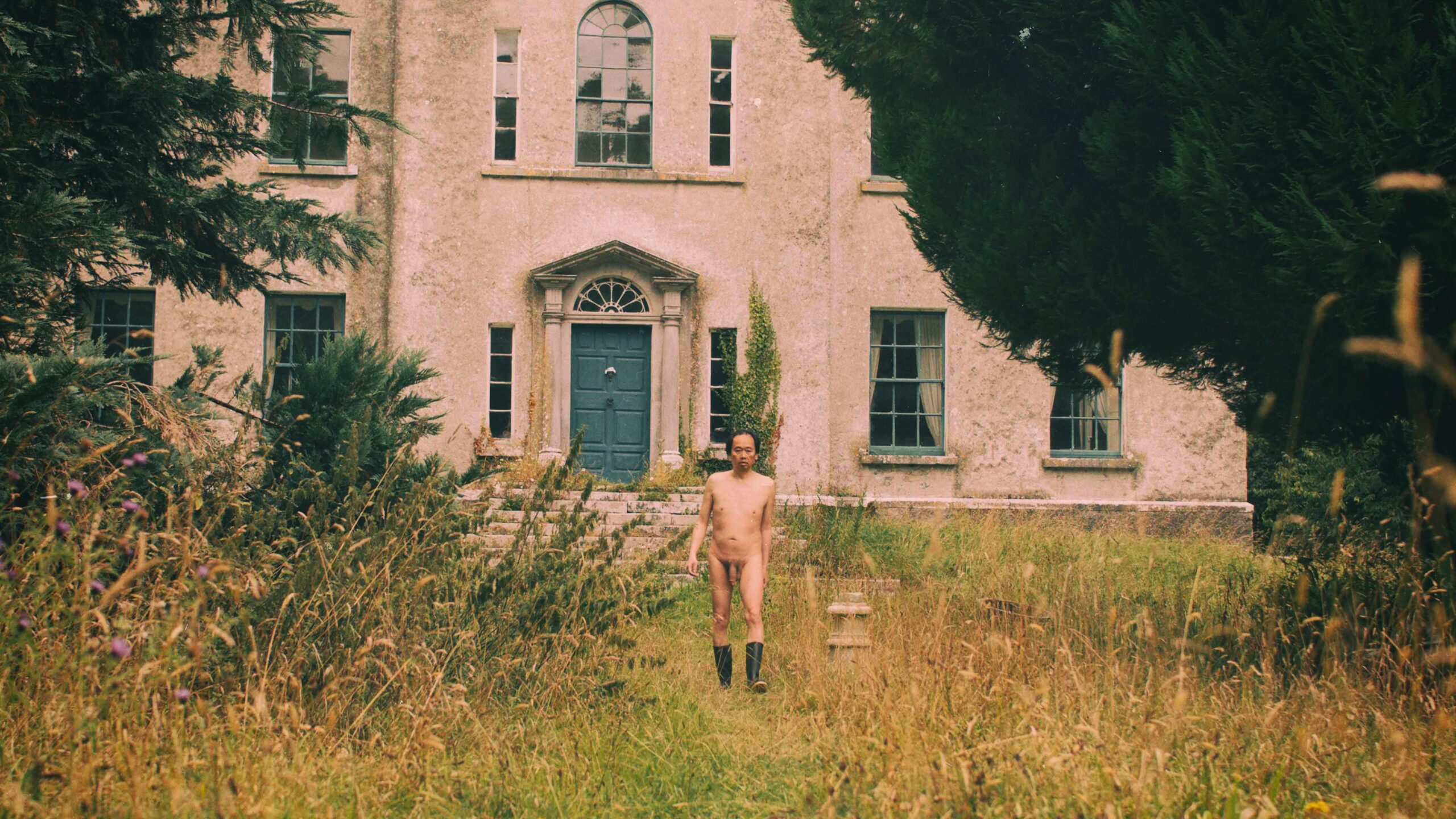
The central image proves both fantastical and profoundly resonant simultaneously. A naked angel labors to move an enormous building toward paradise itself. This monumental task symbolizes humanity’s eternal quest for spiritual elevation and divine connection. Additionally, the angel’s nudity represents radical vulnerability and authentic spiritual commitment. Therefore, nakedness becomes virtue rather than vulnerability or shame. Moreover, the building represents human achievement, earthly accomplishments, and material attachments. Furthermore, the angel’s determination mirrors universal human yearning for transcendence. Consequently, viewers witness living metaphor addressing fundamental spiritual questions about purpose and meaning.
The Film’s Conception: Residency and Creative Vision
Live Art Ireland at Milford House provided the creative sanctuary necessary for this ambitious project. The venue’s rural location in County Tipperary offered isolation conducive to deep artistic work. Additionally, curator Deej Fabyc‘s vision aligned perfectly with Mukarno’s spiritual artistic practice. Therefore, the residency created ideal conditions for transformative creative expression. Moreover, working in Ireland’s contemplative landscape influenced the film’s spiritual dimensions profoundly. Furthermore, the venue’s connection to sacred Irish artistic traditions enriched the work conceptually. Consequently, location became integral to the film’s philosophical and aesthetic meaning fundamentally.
Mukarno’s choice to compose the film’s music himself deserves particular emphasis and recognition. His training at the Royal Conservatory of The Hague and Codarts University developed sophisticated musical language. Additionally, his electro-acoustic and composition expertise enabled precise sonic design. Therefore, the music serves not as accompaniment but as essential narrative element. Moreover, sound architecture guides viewers through the angel’s spiritual journey. Furthermore, musical composition at such depth requires extraordinary technical and artistic skill. Consequently, Mukarno’s multidisciplinary practice demonstrates profound integration of film, music, and performance art.
The Spiritual Metaphor: Understanding the Film’s Profound Symbolism
The building represents human achievement, cultural heritage, and accumulated earthly accomplishments simultaneously. These include architecture, art, institutions, and material accumulations across civilizations. Therefore, the structure embodies everything humanity creates within temporal existence. Additionally, the building’s immense weight symbolizes how earthly attachments anchor the soul. Moreover, its rootedness to ground represents spiritual heaviness and material consciousness. Furthermore, moving this structure toward paradise requires divine intervention and extraordinary effort. Consequently, the film’s central image communicates fundamental spiritual philosophy through visual metaphor powerfully.
The naked angel embodies purity, divine intervention, and spiritual integrity absolutely. Angels traditionally mediate between earthly and divine realms in spiritual traditions globally. Additionally, the angel’s nudity signifies innocence uncorrupted by earthly possessions or material attachments. Therefore, nakedness becomes spiritual necessity rather than decorative element. Moreover, the angel’s gender ambiguity suggests transcendence beyond limited human categories. Furthermore, the angel represents both individual spiritual capacity and universal divine force. Consequently, this figure invites viewers to contemplate their own spiritual potential and divine connection possibilities.
Paradise represents humanity’s eternal yearning for spiritual fulfillment and divine belonging. Throughout history and cultures, paradise symbolizes ultimate peace, harmony, and spiritual completion. Additionally, the sky’s upward direction carries spiritual significance across human traditions universally. Therefore, paradise exists not as physical location but as transcendent spiritual state. Moreover, moving toward paradise suggests ongoing spiritual journey rather than fixed destination. Furthermore, the aspiration toward spiritual height mirrors human longing for meaning and transcendence. Consequently, the film transforms paradise from fantasy into spiritual metaphor accessible to all humans.
The Miraculous Event: Dawn Light and Divine Awakening
The film opens with early morning sunlight touching earth, symbolizing illumination and awakening spiritually. Dawn traditionally represents new beginnings, spiritual renewal, and divine revelation across cultures. Additionally, Mukarno’s cinematography emphasizes light as transformative force throughout the narrative. Therefore, the opening captures moment of divine emergence and spiritual possibility. Moreover, the angel’s appearance at dawn suggests divine timing and sacred intervention. Furthermore, the music’s entry at this moment creates unified sensory experience. Consequently, viewers experience spiritual awakening alongside the angel’s miraculous appearance simultaneously.
The angel’s unwavering determination provides inspiration and hope despite insurmountable challenges ahead. This steadfast commitment mirrors genuine spiritual practice requiring discipline and perseverance. Additionally, the angel’s strength comes not from physical capacity alone but spiritual conviction. Therefore, faith becomes primary source of power within the film’s narrative logic. Moreover, the angel’s refusal to abandon the task demonstrates commitment to spiritual purpose. Furthermore, this determination invites viewers toward their own spiritual perseverance and faith. Consequently, the angel becomes archetypal figure representing human capacity for transcendence and spiritual achievement.
The music composed by Mukarno resonates throughout the opening sequence with divine energy. The sonic framework guides emotional and spiritual response throughout the film. Additionally, musical composition reinforces the sacred nature of the unfolding event. Therefore, sound becomes visible through emotional resonance and spiritual impact. Moreover, every musical phrase supports the narrative’s spiritual message and meaning. Furthermore, the composer’s mastery ensures music serves narrative rather than existing separately. Consequently, Mukarno’s musical genius elevates the film toward transcendent artistic experience.
The Struggle: Weight, Perseverance, and Spiritual Fortitude
The building’s immense weight represents earthly attachment and spiritual heaviness realistically. Moving such massive structure challenges even divine intervention, symbolizing struggle integral to spiritual growth. Additionally, the task’s difficulty mirrors genuine spiritual practice requiring effort and determination. Therefore, struggle becomes necessary component of transcendence rather than obstacle to overcome. Moreover, the angel’s constant effort demonstrates that spiritual elevation demands commitment and persistence. Furthermore, the earthly ties binding the building symbolize all factors preventing spiritual progress. Consequently, the film teaches viewers that spiritual transformation requires acknowledging and transcending resistance.
Each challenge confronting the angel represents real obstacles encountered during genuine spiritual seeking. These include doubt, fatigue, social resistance, and material temptation throughout spiritual practice. Additionally, the film validates that spiritual paths inherently involve difficulty and apparent impossibility. Therefore, perseverance becomes essential virtue for authentic spiritual transformation and growth. Moreover, the angel’s refusal to surrender despite challenges inspires viewers toward their own commitment. Furthermore, the film acknowledges that easy spirituality often lacks genuine depth and transformation. Consequently, the struggle itself carries sacred meaning and spiritual significance profoundly.
The divine music provides strength and motivation during moments of greatest challenge. This represents how spiritual practices, faith, and connection sustain perseverance amid difficulty. Additionally, the music symbolizes grace supporting human effort within spiritual practice universally. Therefore, divine support complements human determination rather than replacing it entirely. Moreover, the combination of effort and grace creates conditions for genuine transformation. Furthermore, the film teaches that spiritual progress combines human commitment with divine assistance. Consequently, viewers witness holistic understanding of spiritual practice integrating effort and grace.
The Ascension: Transcendence and Spiritual Liberation
As the building moves skyward, a profound sense of peace and fulfillment envelops the angel. This emotional shift represents the reward accompanying genuine spiritual achievement and transcendence. Additionally, inner peace characterizes arrival at higher consciousness and spiritual realization. Therefore, the angel’s emotional transformation mirrors spiritual transformation of viewers. Moreover, the journey’s successful completion brings fulfillment inexpressible through material means. Furthermore, this achievement validates that spiritual seeking leads toward genuine peace and meaning. Consequently, the ascension sequence communicates hope and possibility to all spiritual seekers.
The music reaches crescendo at this moment, symbolizing climax of the spiritual journey. Musical intensity amplifies emotional and spiritual impact of the visual ascension. Additionally, the sonic culmination mirrors inner experience of spiritual breakthrough and illumination. Therefore, the crescendo provides universal language for transcendent experience. Moreover, Mukarno’s composition demonstrates extraordinary skill in evoking spiritual experiences through sound. Furthermore, the musical climax honors both the struggle and the triumph of the journey. Consequently, the unified artistic expression creates profound impact impossible through single medium alone.
The building’s liberation from earthly bonds represents spiritual freedom and divine liberation fundamentally. Once freed from ground’s pull, the structure ascends without resistance or continued struggle. Additionally, this final ascension suggests that spiritual realization brings effortless freedom. Therefore, the building’s movement transforms from laborious to transcendent and graceful. Moreover, the angel’s completed mission establishes that spiritual liberation is possible and achievable. Furthermore, the structure reaching paradise validates that human achievement serves spiritual purpose. Consequently, viewers experience hope regarding their own potential for spiritual growth and transformation.
The Message: Allegory of Human Spiritual Quest
“Move” functions as powerful allegory illuminating fundamental human yearning for spiritual enlightenment. The film teaches that material achievements, while significant, ultimately serve spiritual purposes. Additionally, spiritual growth requires dedication, faith, and willingness to release earthly attachment. Therefore, the narrative offers guidance for those contemplating authentic spiritual practice. Moreover, the film validates that spiritual seeking represents necessary human endeavor. Furthermore, Mukarno’s artistic vision affirms that spirituality addresses universal human needs and longings. Consequently, the film speaks across cultural and religious boundaries to fundamental human experiences.
The film underscores the critical importance of faith, perseverance, and divine intervention. These three elements create necessary conditions for spiritual transformation and growth. Additionally, faith provides foundation for sustained effort despite apparent obstacles and challenges. Therefore, perseverance demonstrates commitment to spiritual values despite difficulty and resistance. Moreover, divine intervention suggests that human effort combines with forces beyond individual control. Furthermore, the film teaches holistic understanding of spiritual development integrating multiple dimensions. Consequently, viewers gain practical wisdom regarding genuine spiritual practice and commitment.
Mukarno’s personal composition profoundly enhances the film’s emotional and spiritual impact substantially. The music guides viewers through complex emotional and philosophical territory gracefully. Additionally, the sonic landscape creates intimate connection with the angel’s internal experience. Therefore, music becomes vehicle for transmitting spiritual wisdom across cultural and linguistic boundaries. Moreover, the composer’s artistry demonstrates how creative expression serves spiritual purposes. Furthermore, the integration of music, film, and visual narrative creates comprehensive artistic experience. Consequently, Mukarno’s multidisciplinary genius establishes “Move” as significant contemporary artwork.
The Film’s Artistic Achievement: Innovation in Spiritual Cinema
“Move” represents significant achievement in contemporary cinema exploring spirituality authentically. The film transcends commercial cinema conventions to address genuine spiritual questions. Additionally, Mukarno’s artistic vision offers alternatives to mainstream entertainment and superficial spirituality. Therefore, the work establishes important precedent for spiritually serious cinema. Moreover, the film’s distribution through digital platforms allows global access to spiritual message. Furthermore, the modest production requirements enable artistic integrity without commercial compromise. Consequently, “Move” demonstrates that profound spiritual cinema remains possible and necessary.
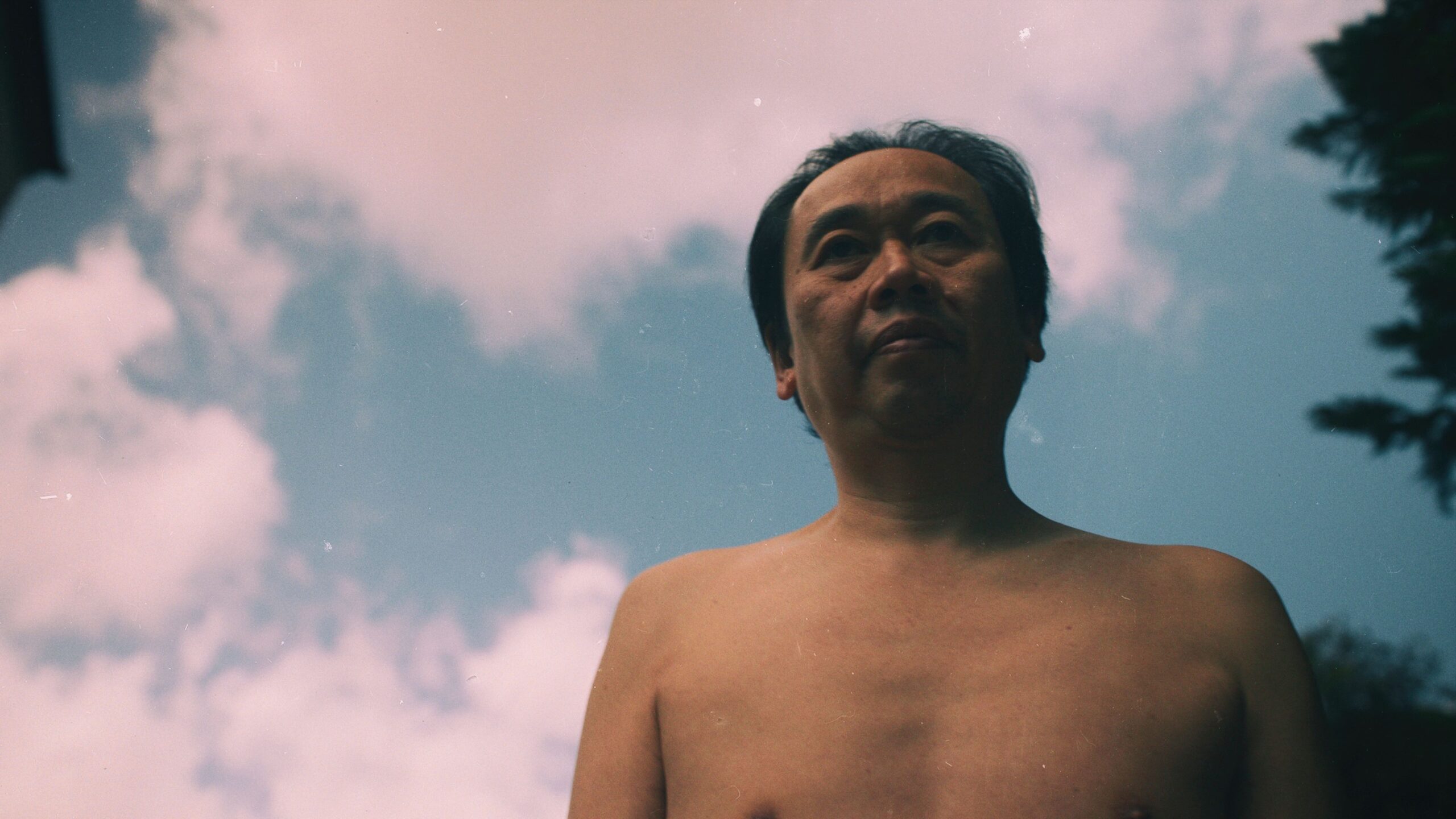
The naked angel imagery proves controversial yet spiritually essential within the film’s logic. Nudity represents ultimate honesty and vulnerability necessary for authentic spiritual expression. Additionally, the angel’s nakedness prevents distraction through costume or conventional representation. Therefore, nudity becomes vehicle for communicating spiritual truth directly and powerfully. Moreover, Mukarno’s experience with naked performance art informs the film’s visual choices profoundly. Furthermore, the nudity forces viewers toward genuine engagement rather than comfortable distance. Consequently, the artistic choice validates nakedness as legitimate medium for spiritual exploration.
The film’s duration of eight minutes forty seconds proves optimal for its philosophical content. This timeframe allows development of narrative complexity without losing viewer engagement. Additionally, the length mirrors spiritual rituals and meditative practices involving sustained attention. Therefore, the duration itself becomes part of the film’s spiritual methodology. Moreover, viewers experience the complete journey from struggle through transcendence. Furthermore, the film’s length prevents commercialization while maintaining accessibility. Consequently, the specific duration reflects Mukarno’s conscious artistic choices and intentional craftsmanship.
Conclusion: Contemporary Spiritual Cinema and Artistic Legacy
Philemon Mukarno’s “Move” stands as landmark achievement in cinema exploring spirituality authentically. Therefore, the film demonstrates that genuine spiritual cinema requires artistic courage and vision. Additionally, the work combines filmmaker expertise with composer’s musical mastery and performer’s embodied wisdom. Moreover, the film’s central image of a naked angel moving buildings toward paradise communicates spiritual truth powerfully. Furthermore, viewers experience not entertainment but genuine spiritual encounter and transformation possibility. Consequently, “Move” establishes important precedent for spiritually serious contemporary cinema globally.
The film’s creation during Live Art Ireland residency at Milford House proves significant contextually. This creative sanctuary enabled the artistic depth and spiritual seriousness evident throughout the work. Additionally, the venue’s Irish cultural heritage influenced the film’s spiritual dimensions substantially. Therefore, location and institutional support created ideal conditions for transformative art-making. Moreover, Deej Fabyc’s curatorial vision enabled Mukarno’s artistic expression to flourish completely. Furthermore, the residency model itself demonstrates commitment to supporting ambitious artistic visions. Consequently, Live Art Ireland’s support contributed to creation of this significant contemporary artwork.
Ultimately, “Move” invites viewers toward their own spiritual journeys and transformations fundamentally. The film functions as catalyst for contemplation, hope, and renewed commitment to spiritual seeking. Additionally, the work affirms that paradise remains accessible through faith, perseverance, and divine grace. Therefore, the film offers message of hope and possibility to contemporary audiences. Moreover, Mukarno’s artistic vision demonstrates that spirituality remains central to authentic human experience. Furthermore, cinema serves as powerful vehicle for communicating spiritual wisdom across cultural boundaries. Consequently, “Move” stands as testimony to transformative power of spiritually serious artistic practice.





Video Move
After purchase you receive an access code by email.
That access code does not open this video. Please try again.
Share this:
- Share on Facebook (Opens in new window) Facebook
- Share on X (Opens in new window) X
- Share on LinkedIn (Opens in new window) LinkedIn
- Share on Tumblr (Opens in new window) Tumblr
- Share on Reddit (Opens in new window) Reddit
- Share on Mastodon (Opens in new window) Mastodon
- Share on Threads (Opens in new window) Threads