
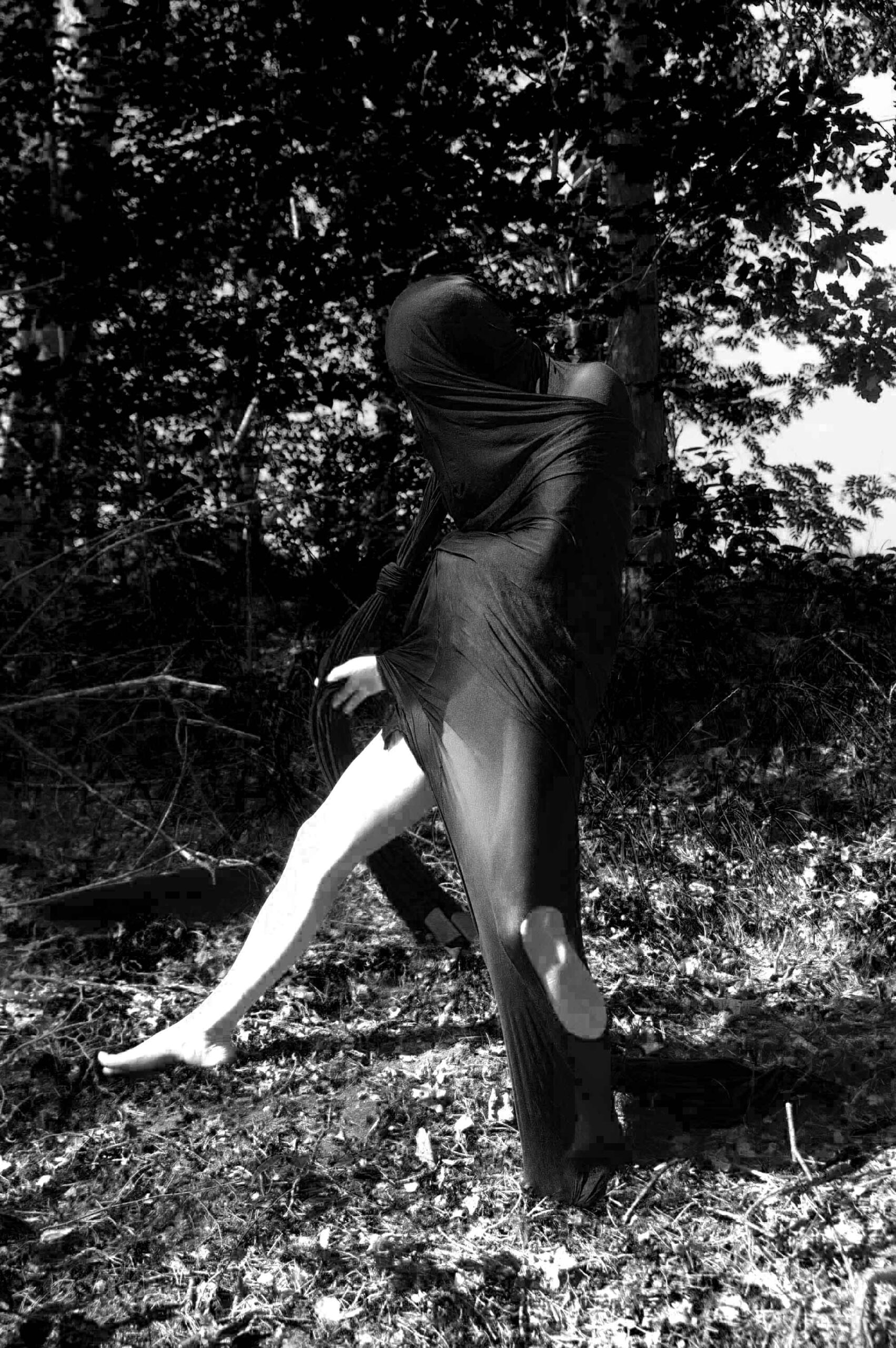


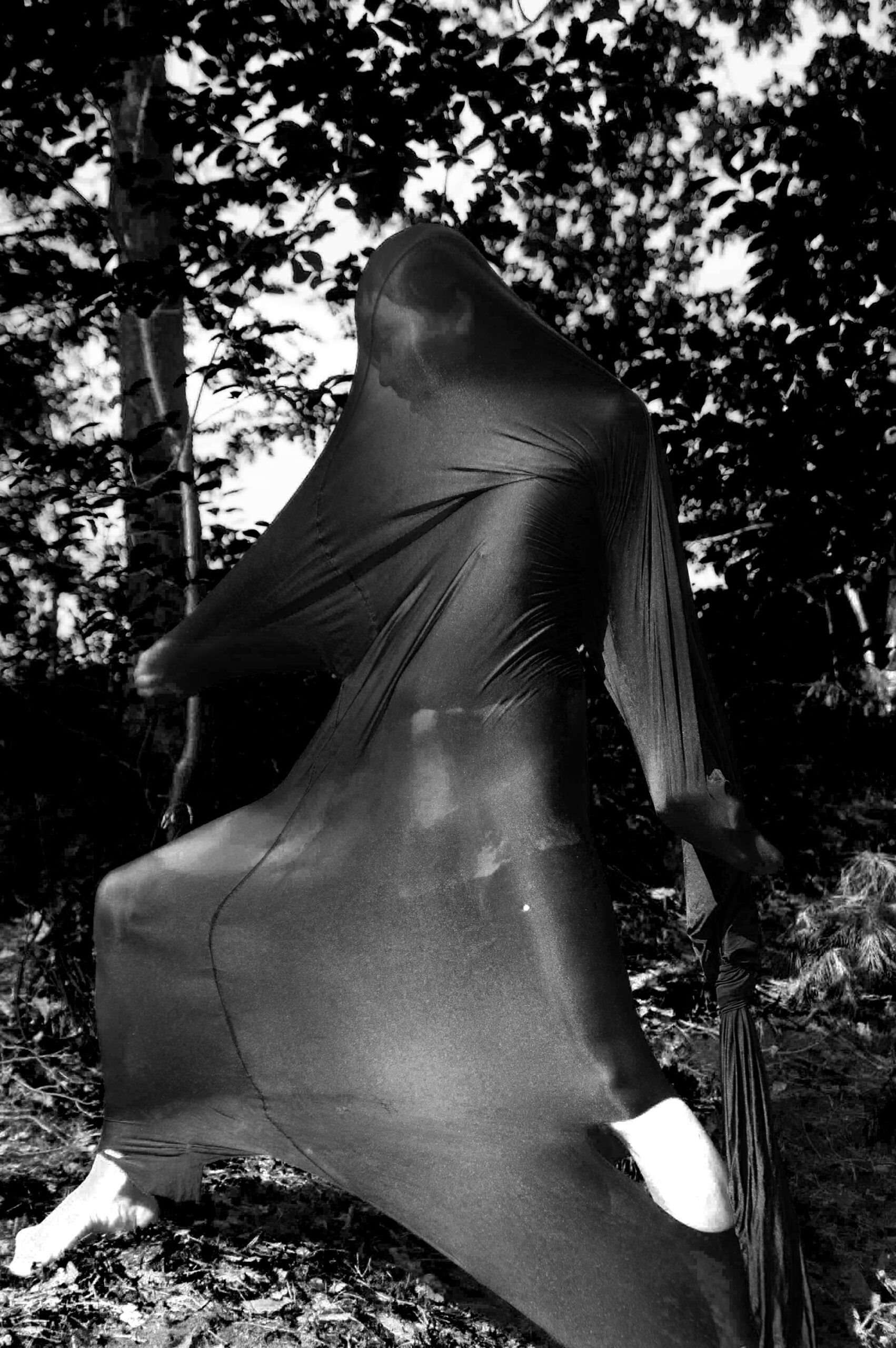
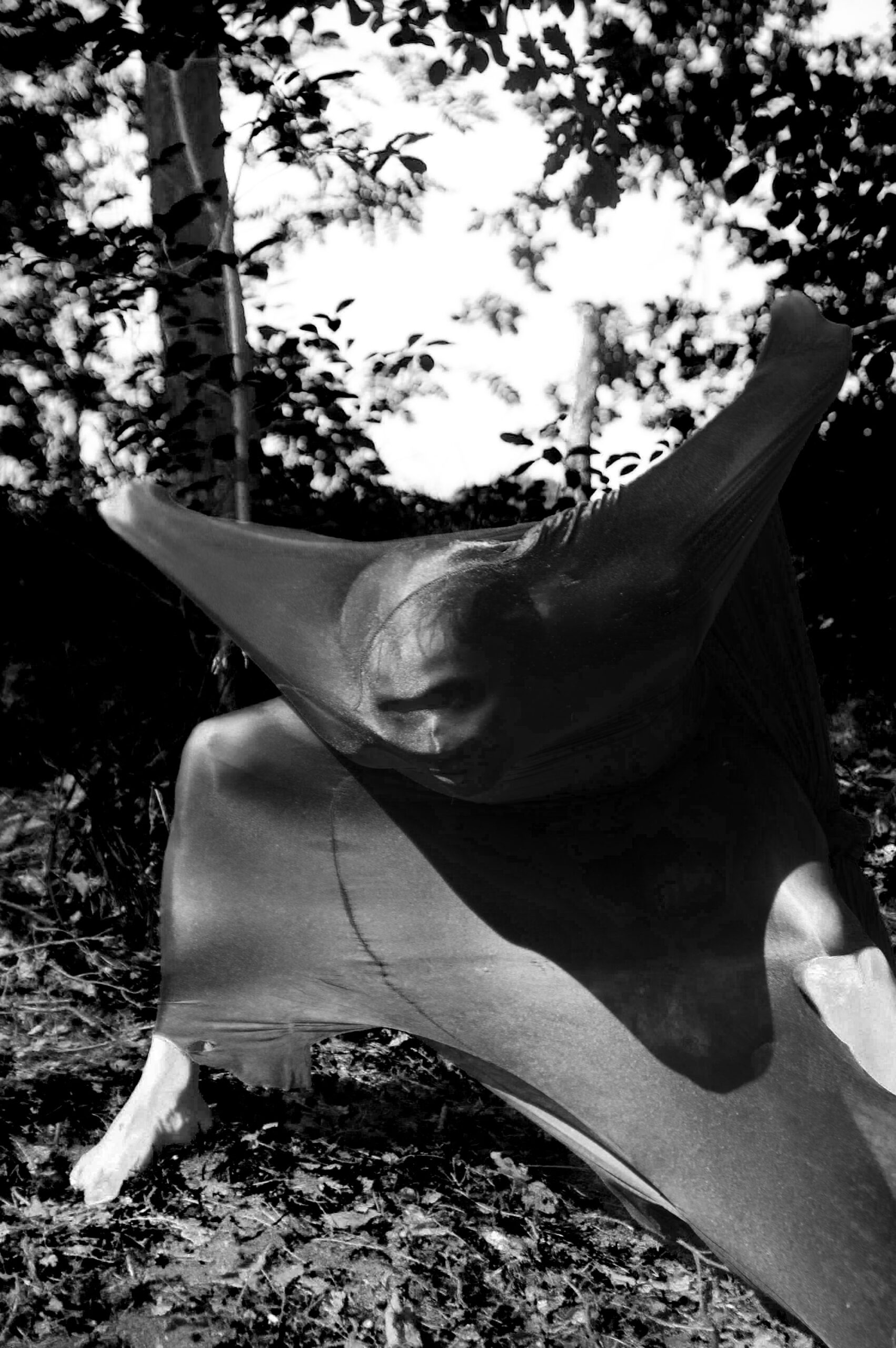

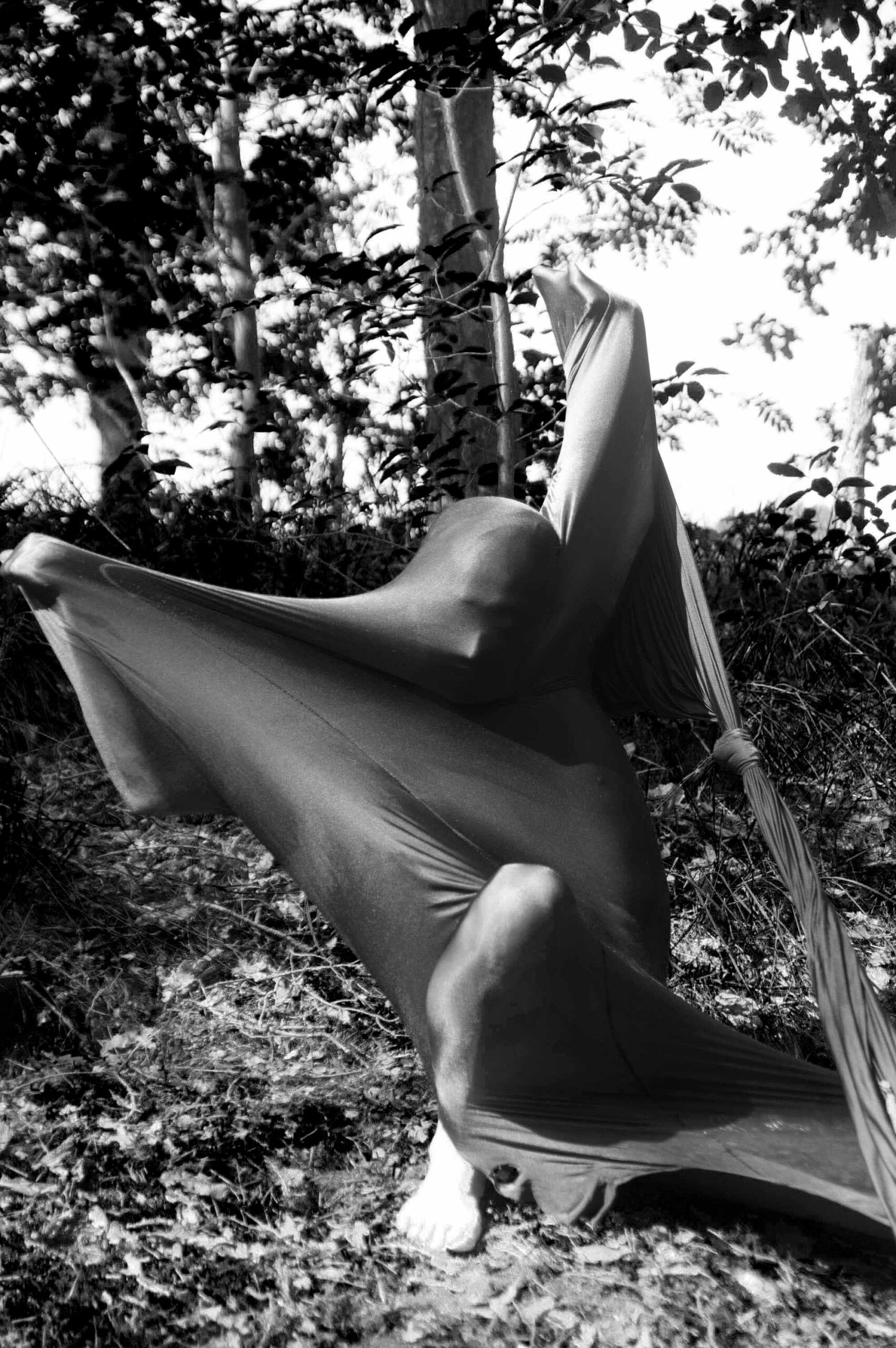
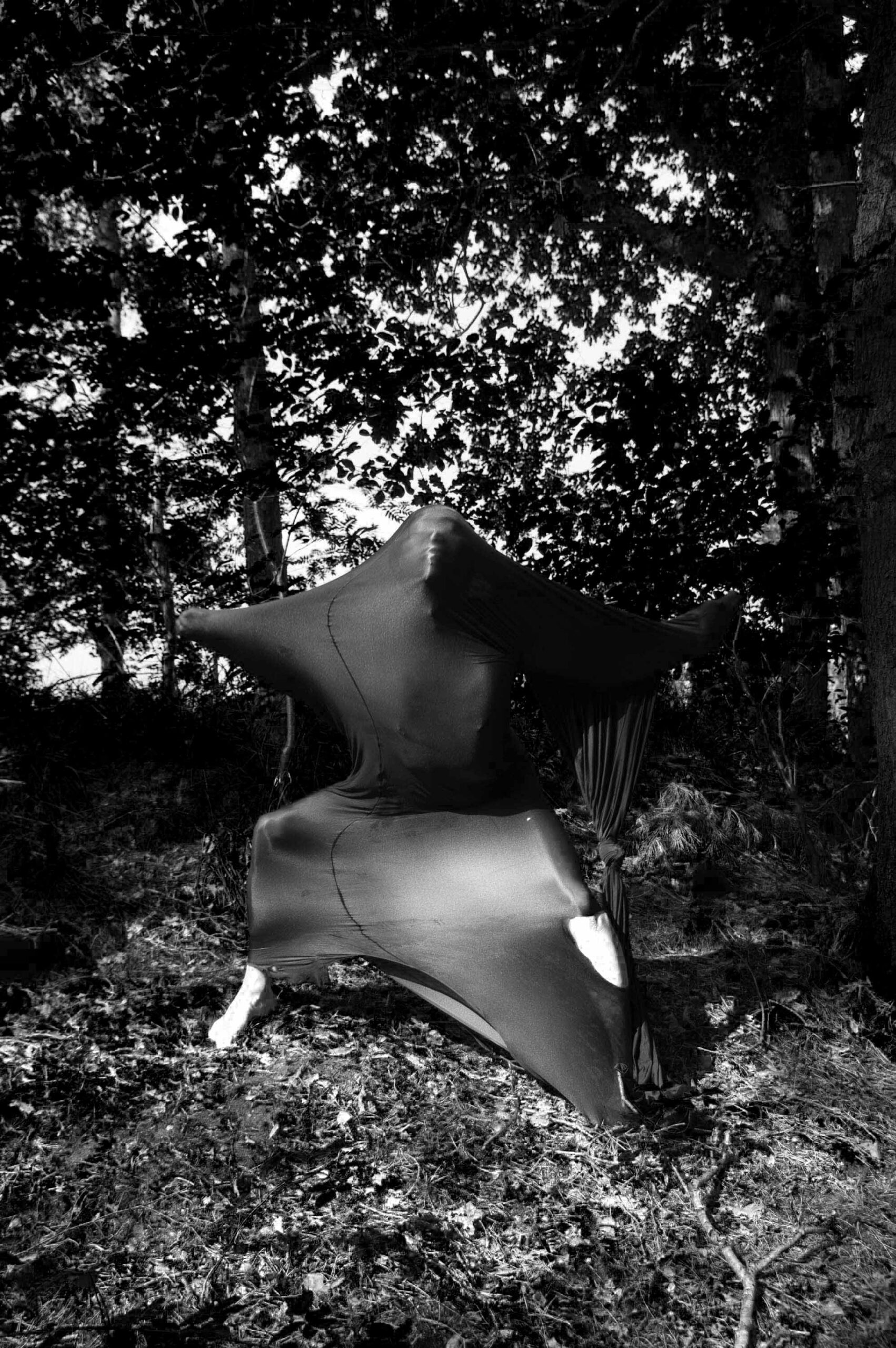


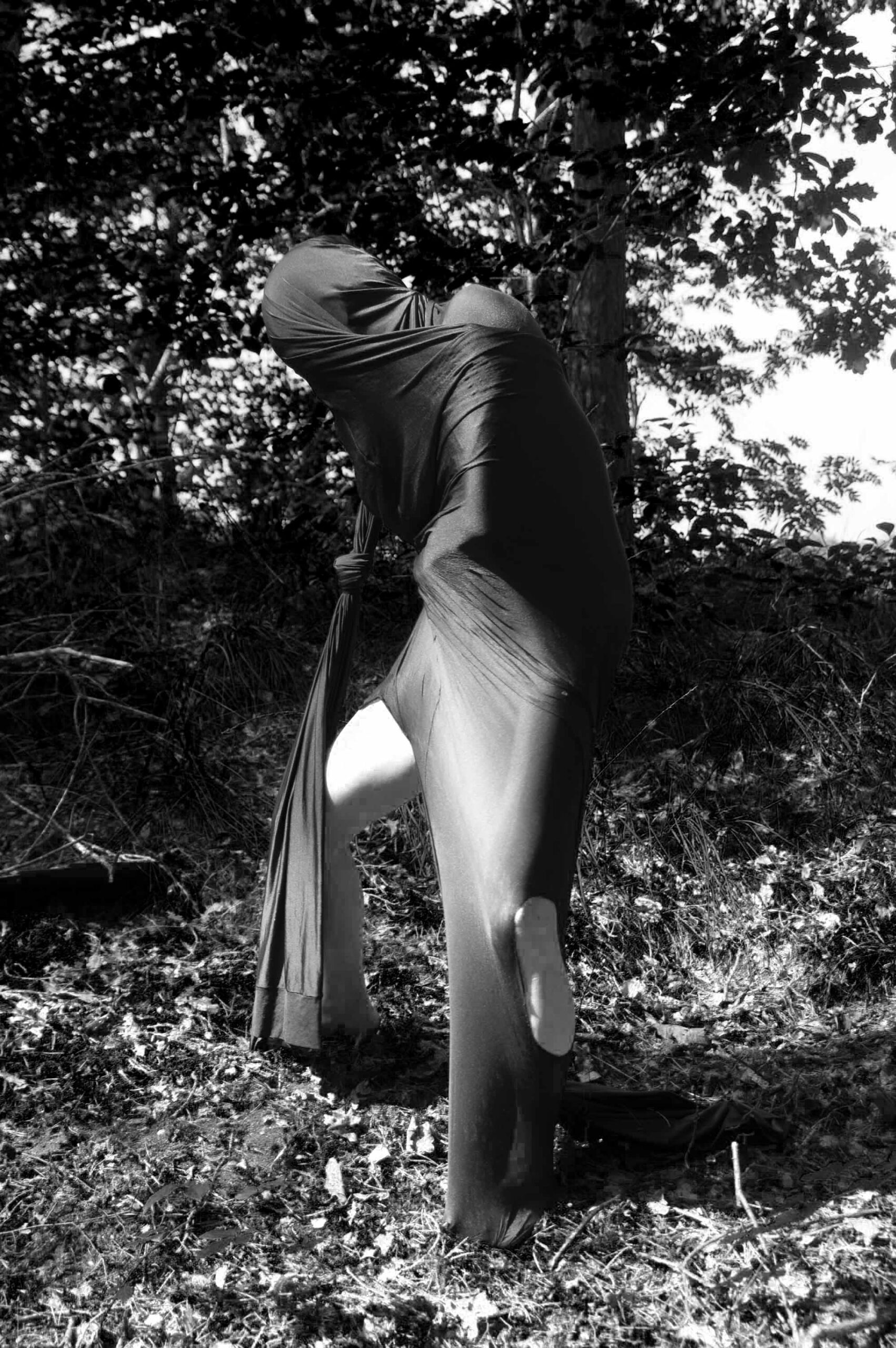



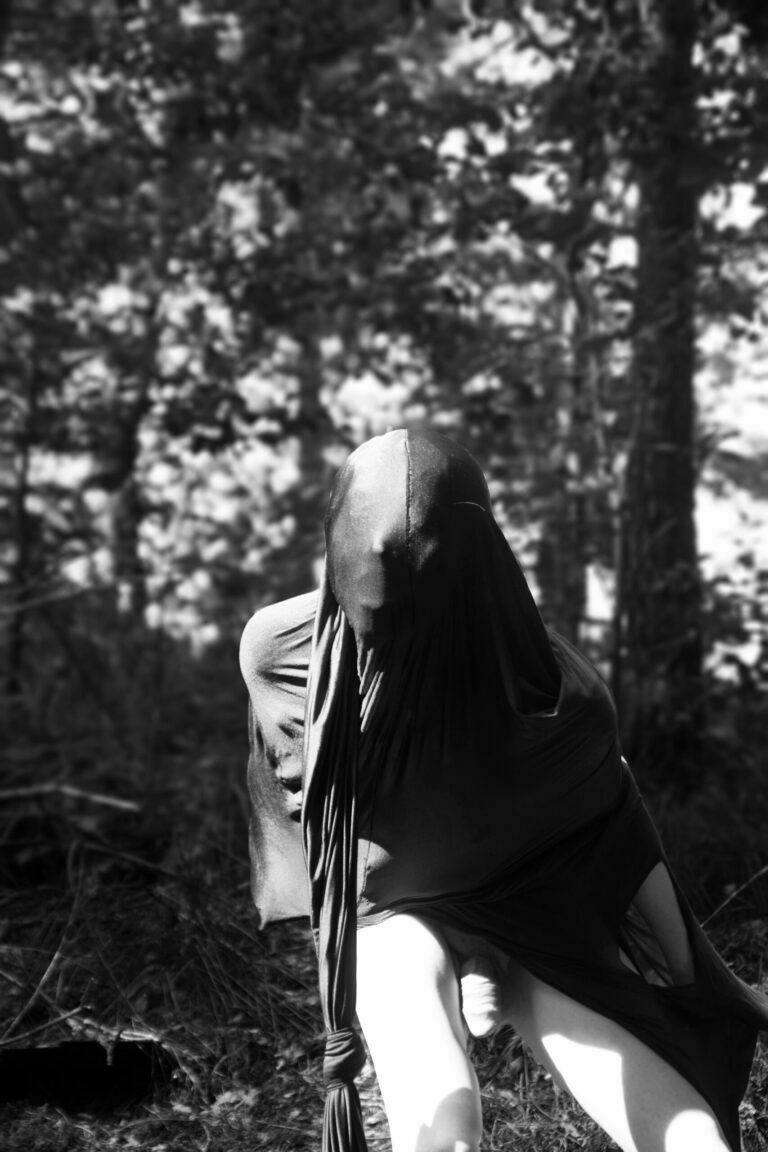
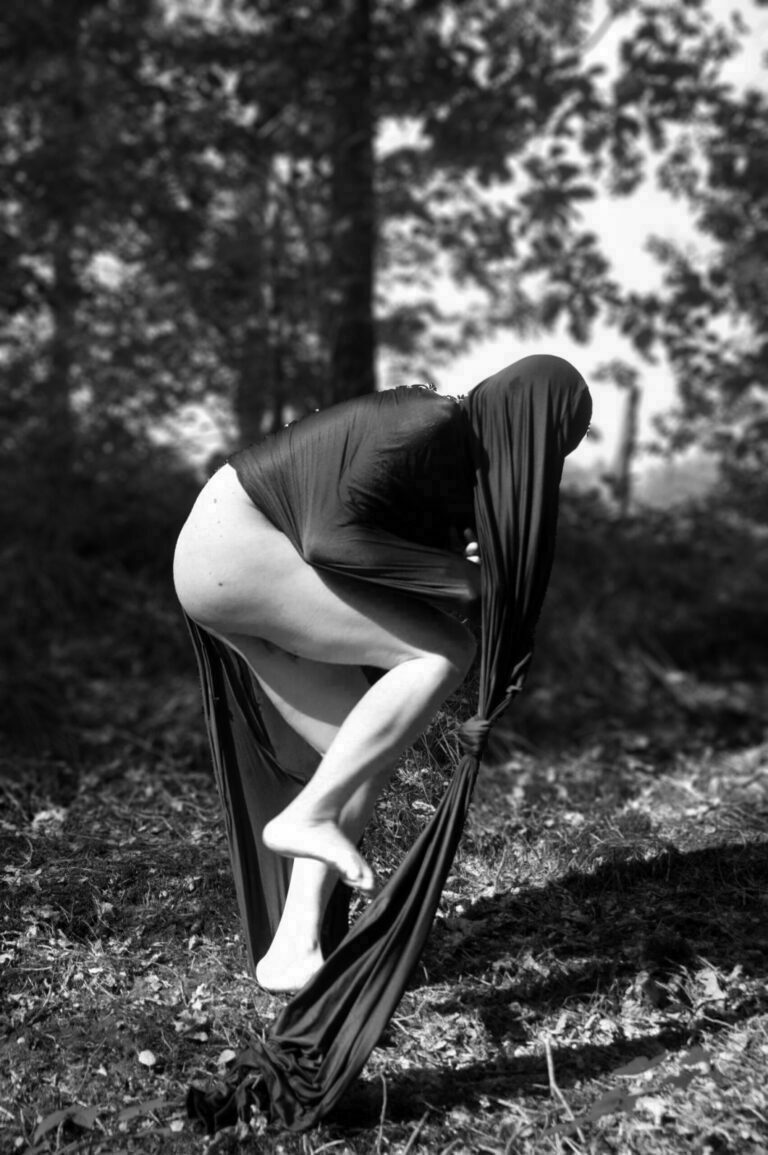
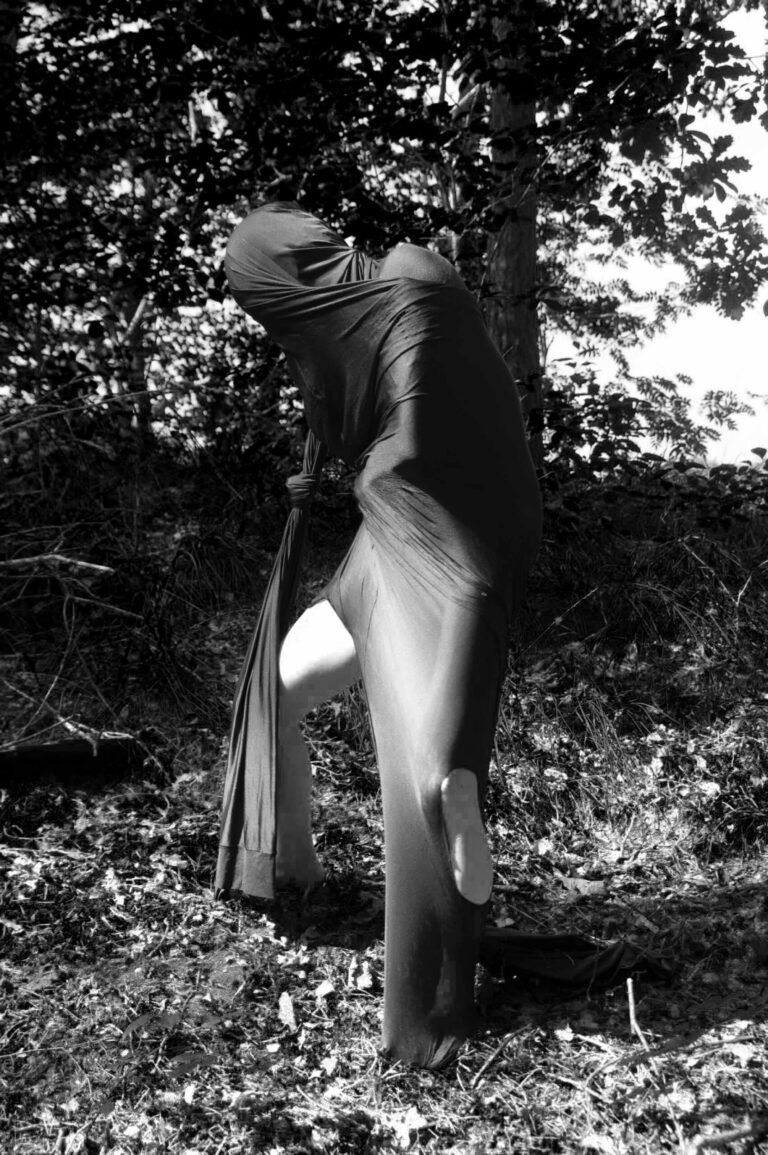
Butoh Z unfolds beneath the open sky, where the body and nature breathe as one. In this outdoor ritual, Philemon Mukarno dances as both human and spirit. The performance strips away material boundaries, revealing an ancient dialogue between flesh, wind, and sacred earth. Nudity here is not defiance—it is truth unveiled.
At the heart of Butoh Z lies a metamorphosis. The performer becomes a condor, soaring over the invisible lines of creation. This flight is no illusion of movement; it is spiritual transformation. As the condor ascends through the landscape, body and soul drift above the sacred geometry of the world, embracing divine connection beyond human limitation.
In Butoh Z, nakedness is not provocation but prayer. Every uncovered inch of skin speaks of openness and trust. The absence of clothing reveals the body’s original purpose: a living instrument of energy. The sacred act of exposure transforms what society hides into what spirit celebrates. Vulnerability becomes an offering to the divine.
The performance returns art to the elements. Wind moves across the dancer’s skin, water glistens on the flesh, and soil bears the imprint of each step. Nature does not serve as background—it participates as co‑creator. The body dissolves into the rhythm of the earth, affirming that spiritual truth is not found in temples but in the shared heartbeat of all living things.
Inspired by the ancient Nazca civilization, Butoh Z invokes the mythical condor that bridges earth and sky. The bird’s majestic flight mirrors humanity’s eternal longing for transcendence. The dancer channels this sacred symbol, embodying freedom, wisdom, and cosmic perspective. Through gesture and stillness, the body re‑inscribes ancient memory upon the land.
Rooted in Butoh’s philosophy of transformation, the performance journeys through silence, tremor, and surrender. Each motion, however minimal, becomes a ritual act of purification. The dancer’s stillness radiates power, evoking both decay and renewal. Butoh Z invites the audience into that liminal space where death gives rise to rebirth.
The performance calls for active presence. Observers are not mere watchers but witnesses of the sacred. The fear, awe, and compassion it evokes awaken hidden emotions. As the body confronts the elemental forces, viewers recognize their own spiritual fragility mirrored in the performer’s skin. This exchange transforms passive viewing into communal meditation.
conventional ideals of beauty and morality. The naked form asserts a different kind of aesthetic—one born of courage and surrender. It does not seek approval but authenticity. Through this honesty, the performance dismantles cultural masks and restores a primal relationship to existence itself. It invites acceptance of what is raw, imperfect, and divine.
Every gesture in Butoh Z breathes with spirituality. The dance begins in stillness, rises in tension, and dissolves into liberation. As the performer becomes a condor ascending toward the gods, the body transcends itself. This ultimate flight celebrates unity—between human and nature, body and soul, life and death.
When the performance concludes, silence remains. Yet that silence vibrates with sacred presence. The viewer carries away not an image but an imprint—an emotional and spiritual awakening. Butoh Z leaves behind the understanding that the human body, when stripped of pretense, becomes both map and messenger of the divine.