
Chair - Short Film (2024)
Chair: Where Nakedness Meets Spiritual Stillnes
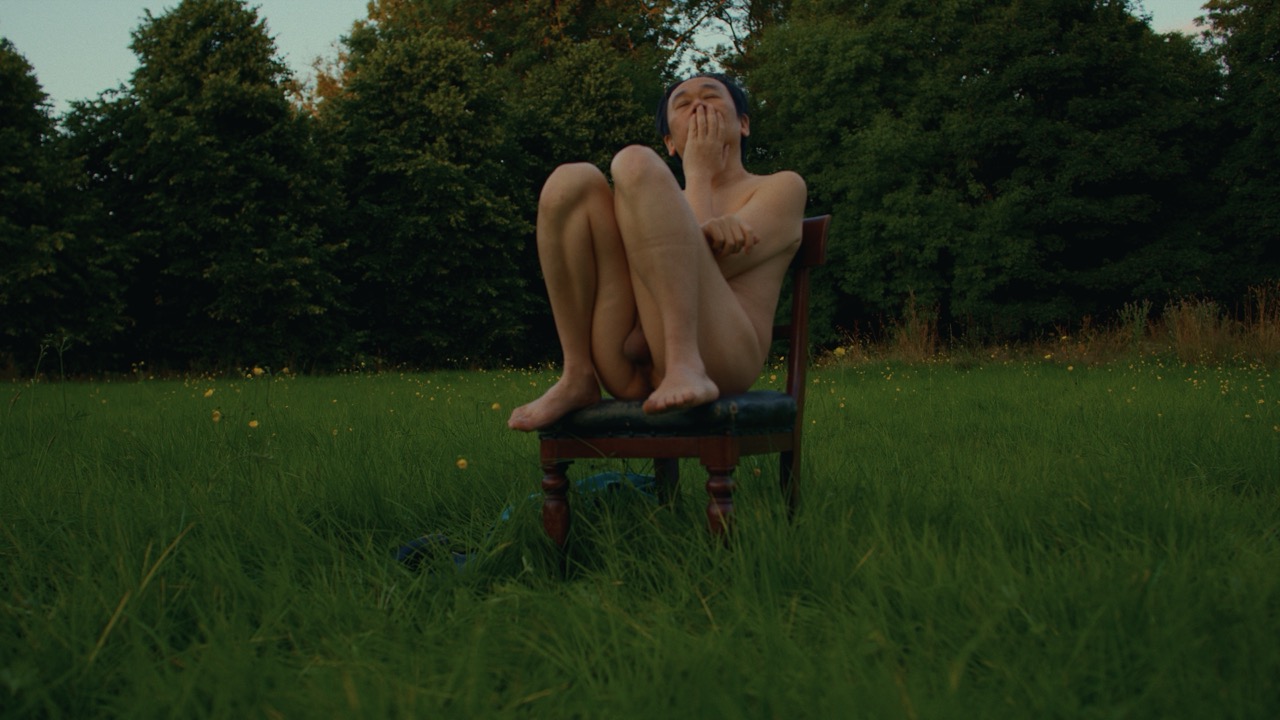
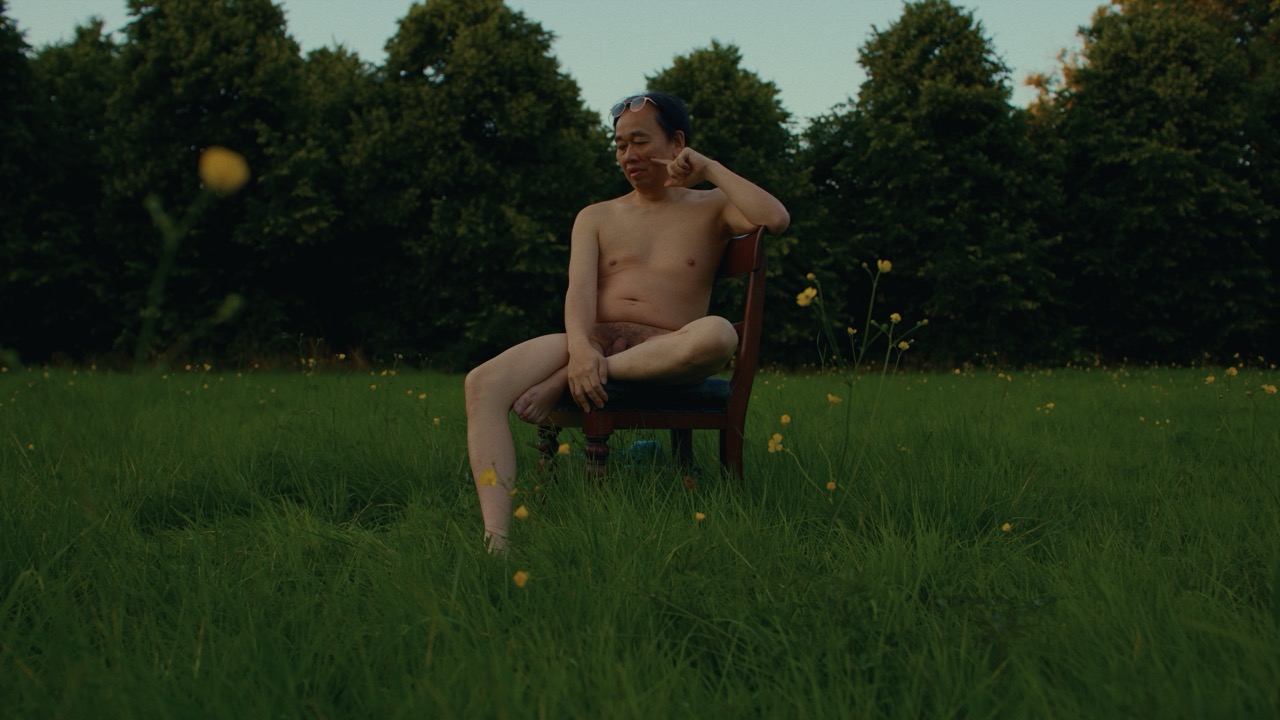
Chair is not just a film. It is a meditative encounter, merging spirituality and bodily vulnerability. In a world full of noise and distraction, Mukarno’s naked presence invites us to pause and breathe. Set in the calming expanse of Ireland’s countryside, the performance unfolds with simplicity and grace, drawing viewers into a rare moment of contemplation.
The Sacred Ritual of Sitting
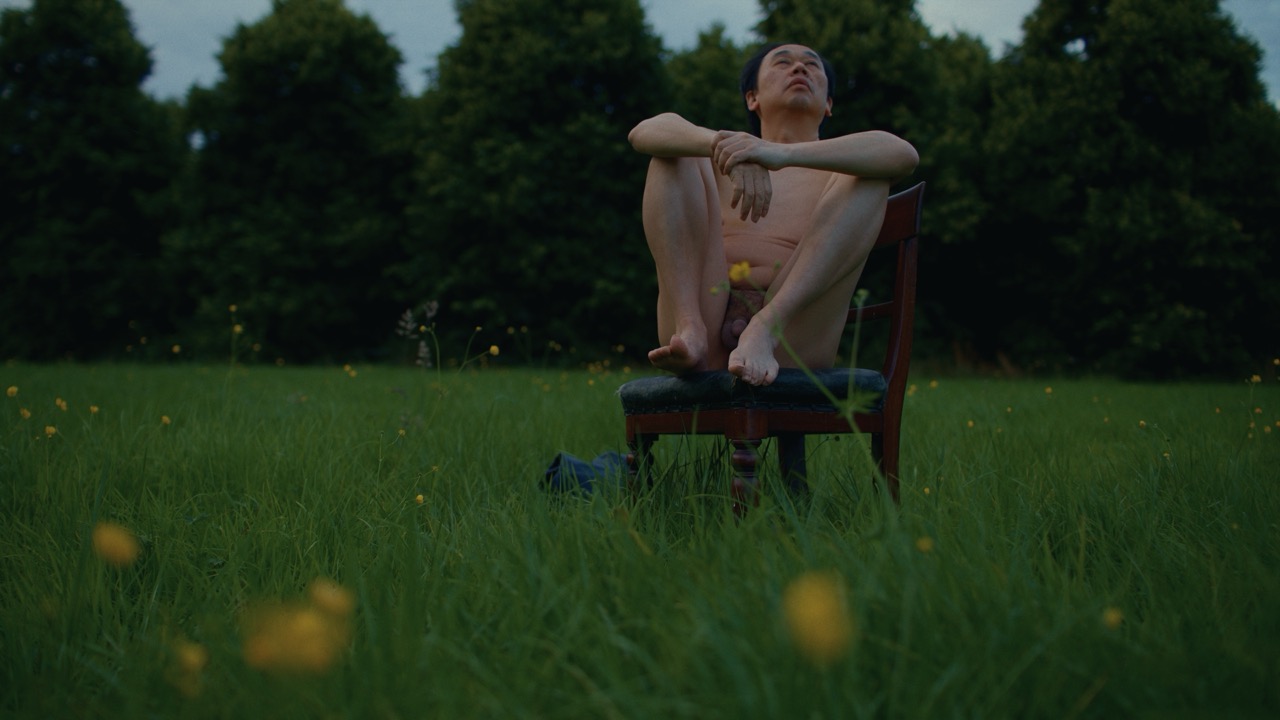
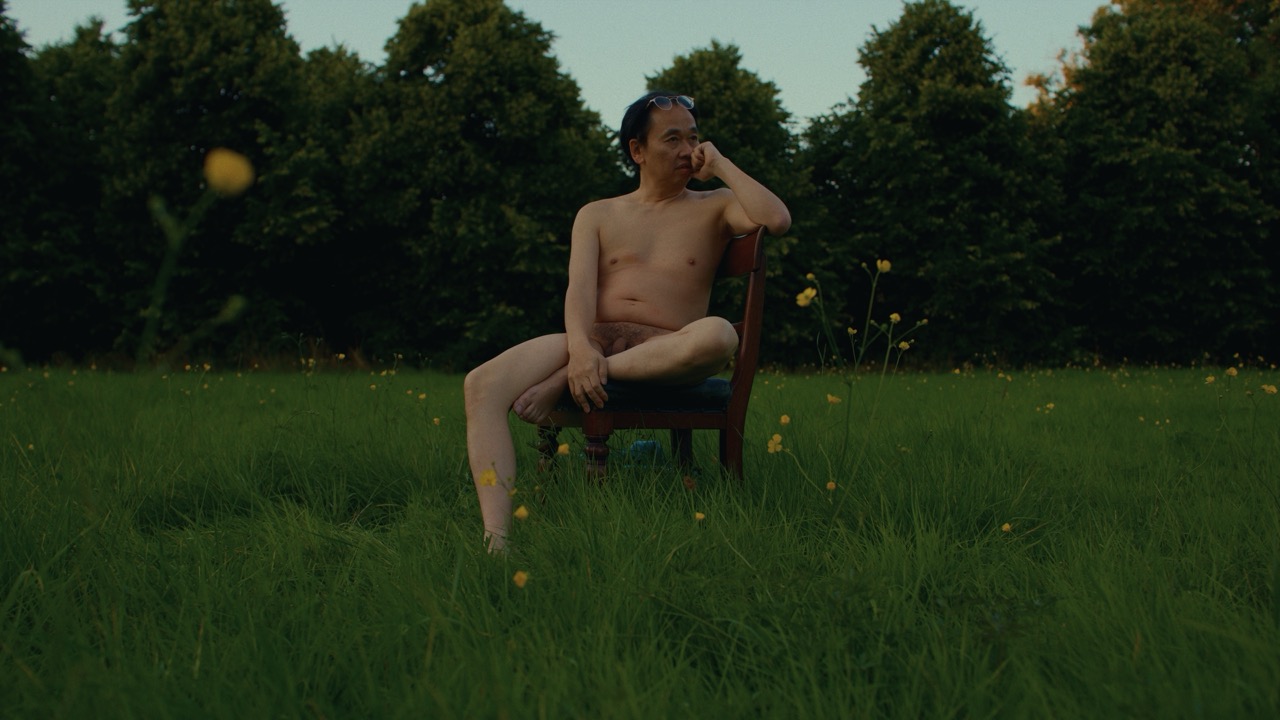
At first glance, the act of sitting seems ordinary. Yet, in Chair, the simple gesture of sitting on a chair becomes a profound ritual. The performer, unclothed and calm, transforms the mundane into the sacred. With each deliberate movement, the chair offers both physical stability and spiritual anchoring. The surrounding green fields and blue sky amplify this grounded serenity, reminding us of the deep peace within everyday life.
Nakedness as the Language of Spiritual Openness
Mukarno’s decision to perform naked is brave and deliberate. Nakedness exposes the body to the natural elements, stripping away the last vestiges of artifice. Here, the skin is not a shield but a bridge—a medium connecting the physical self to the spiritual realm. The viewer witnesses a rare vulnerability, an honesty that is more prayer than display. Through this exposure, “Chair” celebrates the beauty of truth, simplicity, and trust.
Gratitude: The Heartbeat of the Performance
At the center of Chair lies gratitude. Mukarno prays to God, thanking for the gentle beauty of the fields, the endless sky, and the clouds drifting overhead. The act of giving thanks resonates through the film, turning the landscape into an altar and the body into a vessel of appreciation. Each breath and each prayer serve as reminders that gratitude cultivates inner peace, drawing us closer to the divine.
Meditation and Seeking Divine Guidance
As the film progresses, Mukarno enters a meditative state. His prayers grow richer, deeper, expanding from gratitude to a request for guidance and understanding. The chair, symbolic of stability, supports this journey inward. Stillness becomes more than the absence of movement—it becomes a source of wisdom. With closed eyes and open heart, the performer channels the human longing for spiritual enlightenment, encouraging viewers to reflect on their own quest for meaning.
A Journey of Self-Discovery
Chair quietly transitions into a journey of self-discovery. Meditation becomes both anchor and compass. Surrounded by the serenity of Milfort House’s natural world, Mukarno contemplates life’s mysteries. The landscape supports moments of revelation and connection, each heartbeat echoing both personal and universal longing.
Simplicity as a Pathway to the Sacred
Simplicity, in Chair, is not a limitation but a gift. The performance’s lack of adornment creates space for authentic spiritual experience. Without distractions, meditation and prayer rise to the foreground. Mukarno’s work demonstrates that the most profound connections often happen in the quietest moments. Simplicity sharpens the focus on gratitude, humility, and the spiritual presence within.
The Chair: More Than a Prop
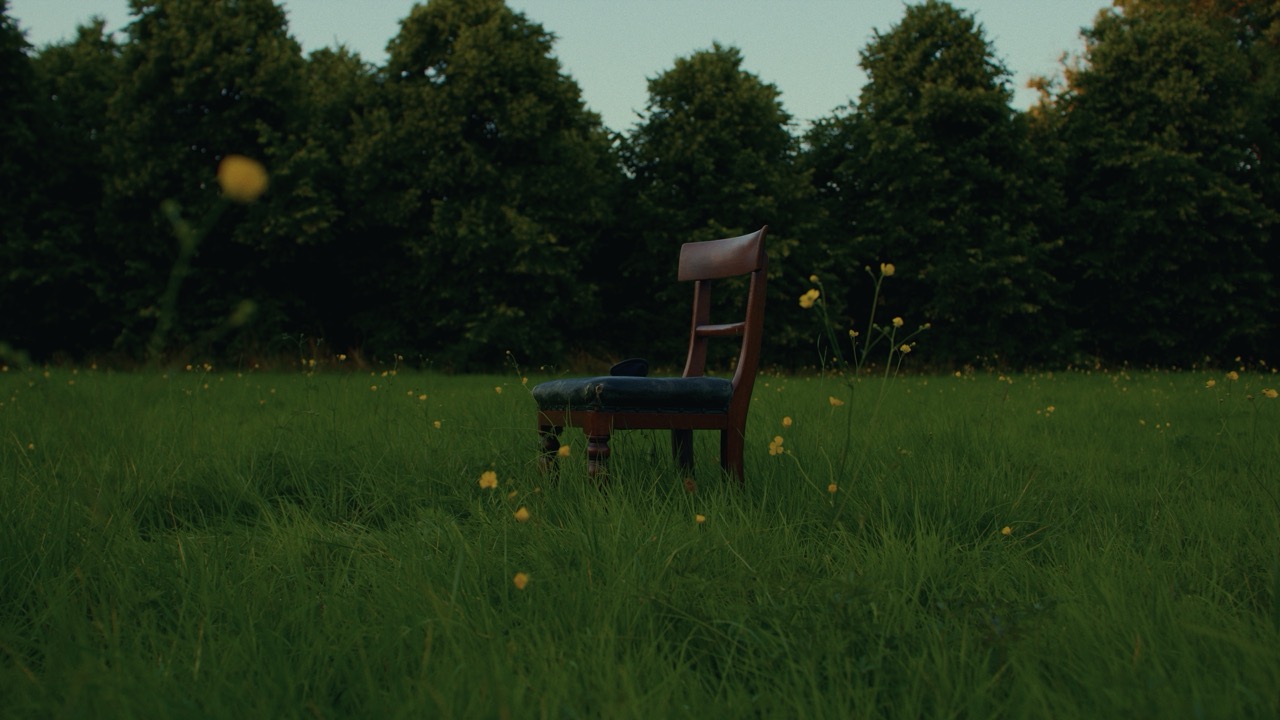
The chair itself becomes a symbol for sacred support. It stands as an anchor for the body and a touchstone for the spirit. In sitting, the performer finds strength. The chair’s solidity encourages faith in moments of stillness, reminding us of the value found in pause and reflection.
A Ripple Effect: Audience as Co-Meditator
Chair’s true power lies in its ability to draw the audience inward. It is impossible to remain an observer alone. Instead, viewers sense the serenity, vulnerability, and gratitude resonating from the film. The meditative atmosphere encourages everyone to recall their own rituals of pause, prayer, and appreciation. As boundaries dissolve, even strangers feel connected through shared spiritual longing.
Nature as Sacred Partner
There could be no better setting for such a performance than Milfort House’s tranquil fields. The landscape is not just scenery—it participates fully. The sky, grass, and clouds frame and amplify the connection between body and divine spirit. Nakedness, gratitude, and meditation merge with the environment, reinforcing the unity between all living things.
A Testament to Spiritual Practice
Chair is a gentle challenge and a powerful affirmation. Through nakedness, meditation, and prayer, Mukarno extends a universal invitation: to slow down, to be thankful, and to seek connection with the sacred. The film endures as a testament to art’s power—reminding us that truth, gratitude, and vulnerability are keys to both personal and collective transformation.
Chair: Philemon Mukarno’s Sacred Short Film on Meditation, Gratitude, and Spiritual Stillness
Understanding Chair as Contemplative Spiritual Cinema
Philemon Mukarno’s “Chair” (2024) represents a transformative short film exploring meditation, gratitude, and spiritual stillness through naked embodied presence. Created during the artist’s residency at Live Art Ireland’s Milfort House, the work transcends conventional cinema toward becoming profound meditative encounter. The film features Mukarno seated naked on a wooden chair within Ireland’s serene countryside landscape. His undressed presence combined with the vast natural environment creates powerful meditation on vulnerability, prayer, and connection with the divine. The work invites viewers toward slowing consciousness, recognizing sacred dimensions within everyday stillness.
“Chair” positions simplicity as gateway toward spiritual awakening rather than limitation constraining artistic expression. The minimal elements—naked body, wooden chair, natural landscape—create uncluttered space permitting profound spiritual experience. The performance demonstrates that authentic spirituality emerges through removing excess and returning toward essential truth. The work addresses contemporary condition of constant distraction and noise, suggesting that genuine spiritual practice requires deliberately choosing stillness, pause, and contemplation.
The Sacred Ritual of Sitting
Transforming the Mundane into the Transcendent
At first glance, sitting on a chair appears as ordinary action requiring no special significance. Yet within Mukarno’s artistic vision, the simple gesture of sitting becomes profound ritual with multiple layers of spiritual meaning. The chair itself becomes not mere physical support but sacred anchor linking the embodied being toward grounded presence. The deliberate choice to sit transforms everyday action into intentional spiritual practice. The stillness permits consciousness to shift toward different awareness unavailable during constant movement and stimulation.
The ritualistic quality emerges through repetition and dedication. The performer sits for the complete duration of the film with unwavering presence and commitment. The stability of sitting contrasts with modern life’s constant movement and stimulation. The choice to sit deliberately rather than moving activates the action toward spiritual significance. The act becomes meditation—consciousness focused completely on present moment awareness. The chair becomes ally supporting this inward journey.
The sitting also invokes contemplative traditions worldwide utilizing stillness as primary vehicle for spiritual awakening. Buddhist meditation emphasizes sitting posture as optimal position for accessing deep consciousness states. Christian monastic traditions employ sitting in stillness as foundation for prayer and communion with divine. Indigenous traditions recognize sitting circles as sacred configurations facilitating community spiritual practice. Mukarno’s sitting participates in these ancient traditions, suggesting that contemporary consciousness remains embedded within such spiritual patterns.
The physical comfort of the chair becomes important spiritual dimension. Rather than encouraging suffering through physical difficulty, the chair offers support permitting the performer to relax into stillness. The comfort permits consciousness to move beyond bodily preoccupation toward deeper awareness. The chair becomes maternal support—stable, reliable, nurturing. Sitting in the chair becomes like returning to the womb, the original state of safety and wholeness preceding birth into the world.
The Chair as Symbol of Spiritual Stability and Support
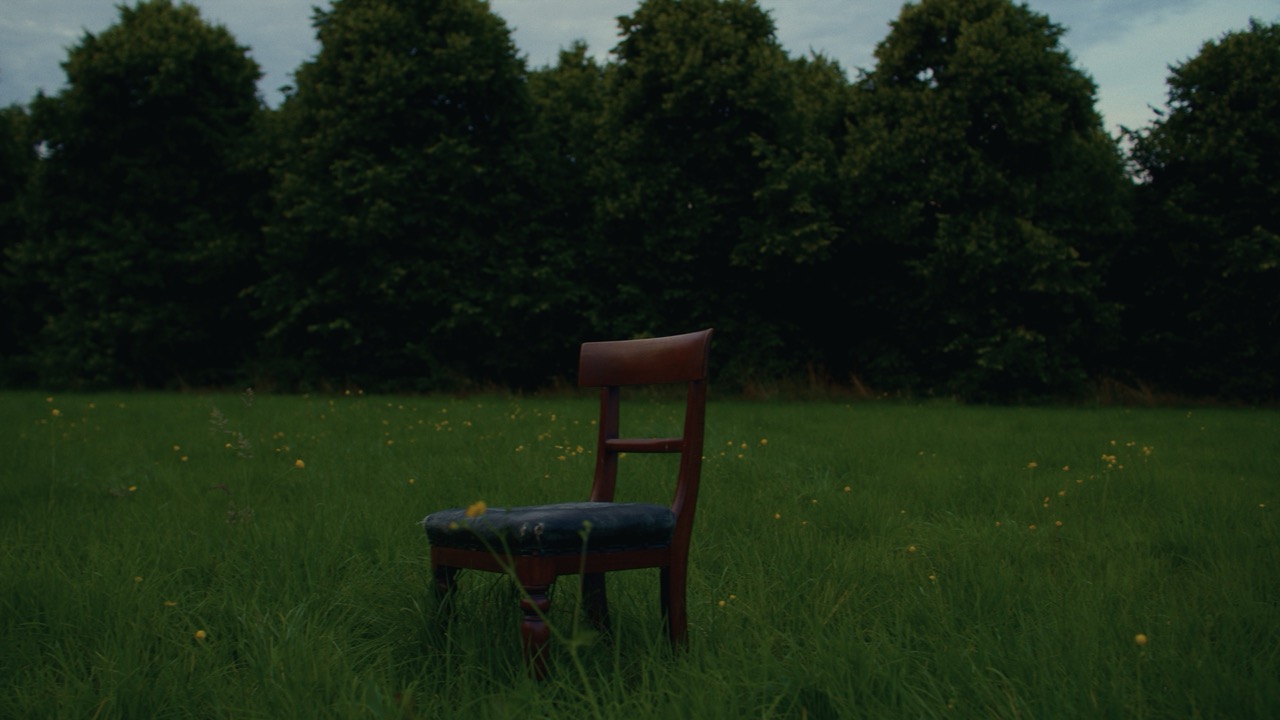
The wooden chair functions as primary symbol within the film, representing multiple dimensions of spiritual and psychological significance. The chair provides physical stability—solid support preventing collapse. Yet simultaneously, the chair functions metaphorically as spiritual anchor. In a world of constant change and uncertainty, the chair becomes touchstone of reliability and grounded presence. The performer sitting in the chair embodies the principle that stability can coexist with vulnerability.
The chair also represents the home—the place of return and belonging. In contemporary consciousness, home often refers to physical dwelling place. Yet spiritually, home means returning to one’s essential nature and innermost being. The sitting in the chair becomes homecoming—returning to the ground of being, the sacred center within consciousness. The film invites viewers toward similar homecoming through slowing and inward turning.
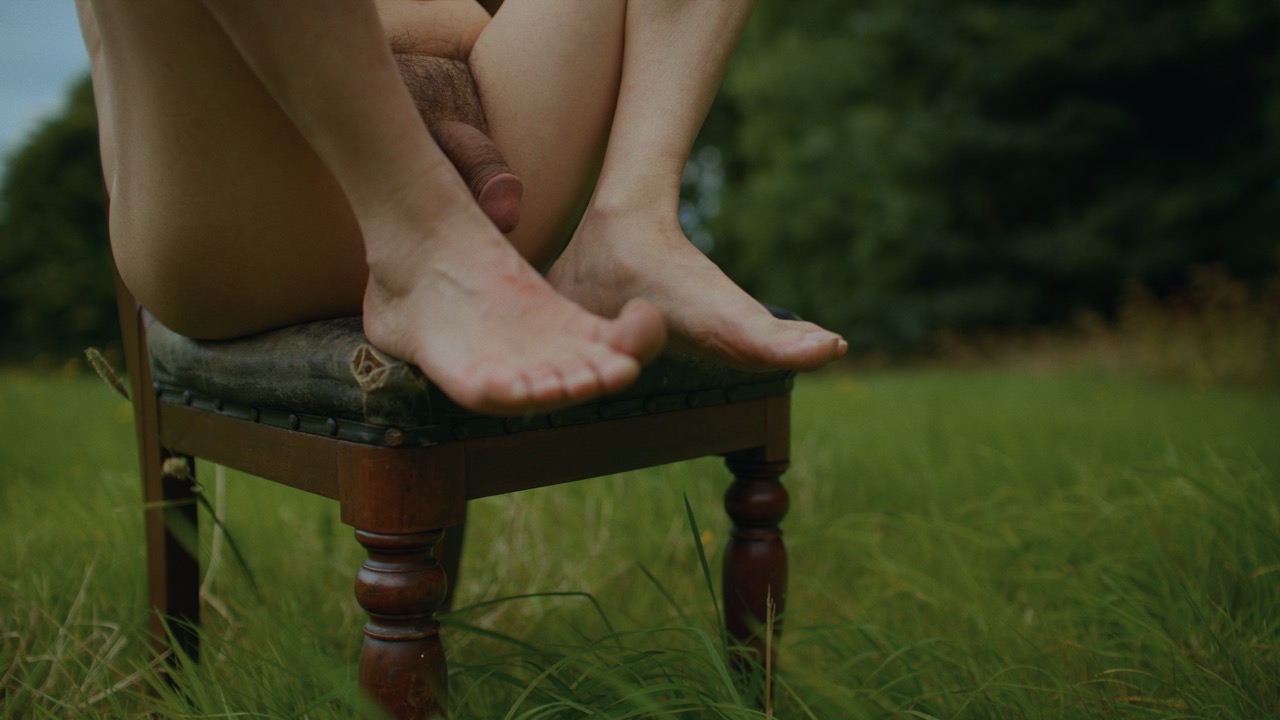
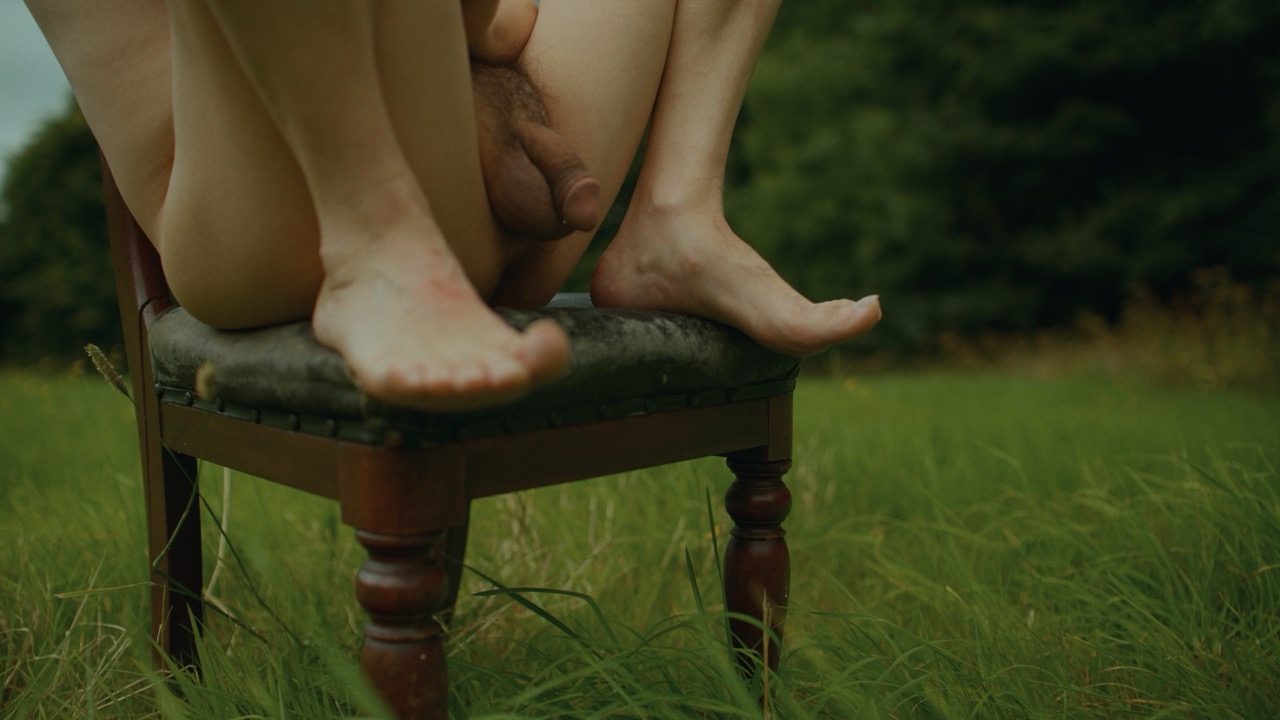
The materiality of the wooden chair also carries significance. Wood represents living connection to nature and the natural world. The tree from which the wood derives remains present within the chair’s material reality. Sitting in the wooden chair becomes sitting supported by nature itself. The performer’s naked flesh touching the wooden surface creates direct contact between human body and natural material. This connection honors the fundamental truth that humans remain embedded within natural systems rather than separate.
The chair’s simplicity distinguishes it from elaborate furniture suggesting luxury or status. The plain wooden chair refuses excess and ostentation. The simplicity reflects the performance’s overall aesthetic commitment to removing everything unnecessary. The chair becomes democratic object available to anyone. The spiritual practice the film presents remains universally accessible rather than restricted to those with special resources or privileges.
Nakedness as Language of Spiritual Vulnerability
Exposing the Body as Bridge to Divine Connection
Mukarno’s deliberate choice to perform naked becomes central element of the film’s spiritual and artistic power. The complete nakedness strips away all protective barriers and cultural mediation. The unclothed flesh appears vulnerable to elements, to observation, to potential judgment. Yet this vulnerability paradoxically becomes vehicle for spiritual authority and authentic power. The naked body cannot hide or perform false identity. What viewers encounter becomes genuine embodied presence rather than constructed presentation.
The nakedness also responds to contemporary culture’s typical discomfort with the unclothed body. Fashion and cultural norms require constant covering and concealment. The body becomes something requiring shame and hiding. Mukarno’s casual naked presence in the film challenges such cultural conditioning. The performance suggests that authentic embodiment requires releasing shame and recognizing the body’s inherent worthiness. The simple naked sitting becomes assertion that flesh remains sacred deserving honor.
The exposure of the body to the natural elements—air, light, grass—becomes significant spiritual practice. The naked skin receives the touch of breeze and sun. The body directly encounters the natural world without protective barriers. This direct encounter with nature grounds spirituality in embodied reality rather than abstract philosophy. The performance suggests that genuine spiritual awakening emerges through opening flesh toward the world rather than protecting against it.
The vulnerability of nakedness also creates profound empathetic connection with audiences. Witnessing another human’s complete nakedness and vulnerability often triggers opening in the observer’s heart. The defensive barriers protecting the viewer’s own vulnerability potentially soften. The collective recognition of shared embodied fragility becomes spiritual community. The film transforms what might be considered shameful into sacred opportunity for recognizing shared humanity.
The Naked Body as Living Prayer
The unclothed body in “Chair” functions as living prayer—continuous communication with the divine expressed through embodied presence rather than words alone. The naked flesh becomes language transcending verbal communication. The body’s vulnerability, its openness, its exposure become prayer more eloquent than any spoken words. The performance suggests that authentic spirituality emerges through the body as much as through the mind.
The nakedness also reflects the phrase from Christian tradition that humans are “born naked and shall return naked.” The film invokes this foundational human reality. The nakedness returns the performer to original state before cultural conditioning and accumulated protection mechanisms. The performance suggests that spiritual authenticity requires returning toward such original simplicity stripped of cultural accumulation.
The living prayer of the naked body extends beyond individual consciousness toward collective spiritual dimension. The gathering of viewers to witness the prayer creates temporary sacred community. Everyone present participates in the prayer even without speaking words. The collective stillness becomes collective spiritual practice. The film’s meditative quality invites viewers into the prayer, making the boundary between performer and audience increasingly porous.
The naked prayer also honors the body as legitimate sacred site. Religious traditions often teach that spirituality requires transcending the body toward disembodied realm. The film challenges such teaching, instead suggesting that bodies themselves constitute sacred architecture worthy of honor and reverence. The naked prayer becomes assertion that flesh and spirit remain inseparable. Authentic spirituality celebrates embodied existence rather than demanding transcendence.
The Landscape as Sacred Altar and Spiritual Partner
Nature as Co-Creator and Spiritual Witness
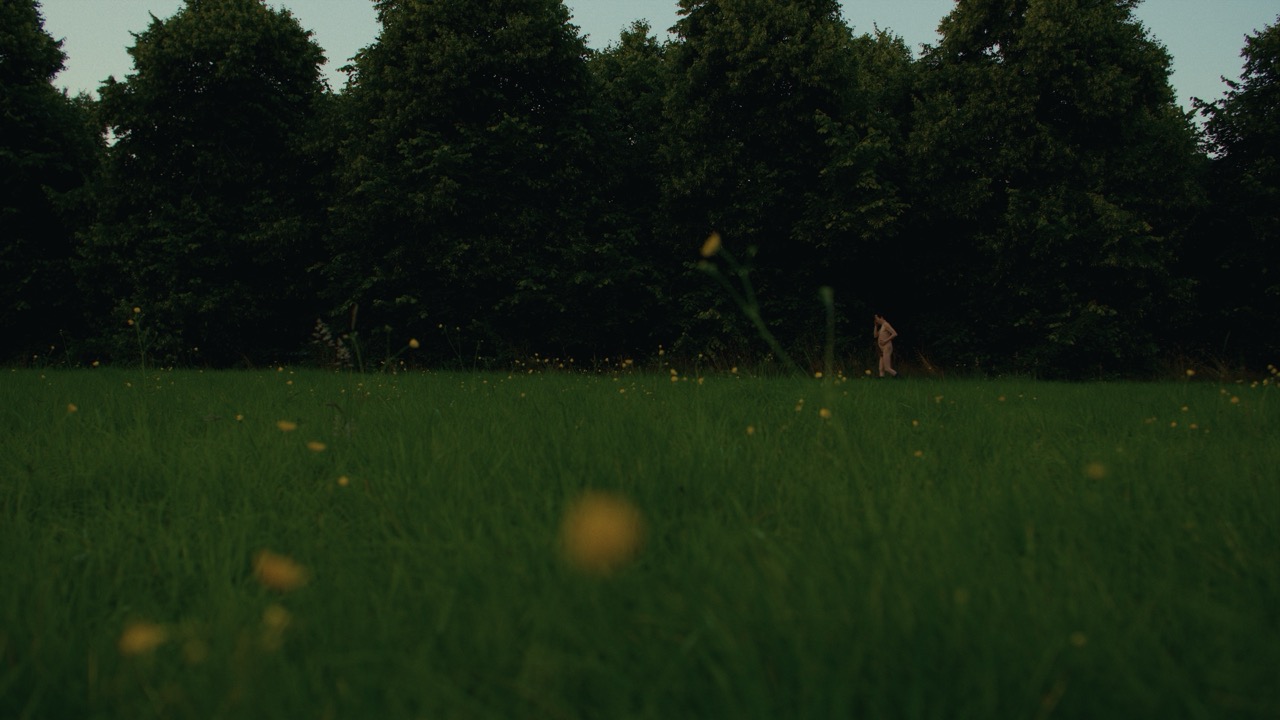
The Irish countryside setting of “Chair” becomes far more than mere background scenery. The vast fields, the open sky, the drifting clouds, the grass beneath the chair—all become active participants in the film’s spiritual dimension. The landscape doesn’t simply contain the performance but participates fully in creating spiritual atmosphere. The scale and beauty of nature amplify the intimacy of the solitary naked figure. The contrast between individual vulnerability and infinite natural expanse creates powerful spiritual resonance.
The choice to film in Ireland specifically carries significance. Ireland holds deep spiritual resonance within Celtic traditions recognizing the land itself as sacred. The Irish landscape contains centuries of spiritual practice, pilgrimage, and contemplative engagement. Filming within this landscape permits the contemporary performance to access ancestral spiritual dimensions embedded in the earth itself. The land’s spiritual power becomes available to the performer and viewers.
The specific location at Milfort House—the site of Mukarno’s residency—adds layers of significance. The house itself becomes sacred container permitting the artistic work. The grounds surrounding the house become sanctuary for spiritual practice. The landscape surrounding Milfort House becomes extension of the house’s hospitality and creative welcome. The performance participates in the location’s spiritual architecture rather than remaining separate.
The natural elements of weather and light—the sky, the clouds, the grass—function as sacred forces shaping the film’s spiritual tone. The performance unfolds within natural time governed by weather and season. The performance doesn’t control or dominate nature but instead opens toward surrender to natural forces. This surrender becomes spiritual practice teaching release of human will toward alignment with natural and divine will.
The Fields as Altar and the Sky as Sacred Dwelling
The fields surrounding the wooden chair function as altar space—sacred ground dedicated to spiritual practice. The altar traditionally represents the meeting point between material and divine dimensions. The open field becomes altar through the performer’s intentional presence and dedication. Every element present—the grass, the earth, the sky—becomes part of the altar’s sacred configuration.
The unlimited sky directly above the performer becomes representation of the divine—infinite consciousness encompassing all existence. The openness of the sky suggests boundless spiritual possibility. The clouds drifting across the sky represent the perpetual change and transformation characterizing existence. The performance suggests that genuine spiritual practice requires opening toward infinite consciousness while remaining grounded in earth.
The contrast between solid earth and infinite sky becomes meditation on the fundamental human condition—existing between material and spiritual dimensions simultaneously. The seated performer becomes bridge connecting earth and sky, body and spirit, finite and infinite. The stillness permits consciousness to recognize this bridging function. The film suggests that each individual human contains within themselves this same bridge between material and spiritual dimensions.
The natural cycle of day and light visible in the filming also carries spiritual significance. The performance unfolds within natural temporality governed by sun’s movement and light’s changing quality. The film respects natural rhythms rather than imposing artificial timescale. This respect for natural time becomes spiritual practice honoring natural world’s inherent wisdom and sacred order.
The Spiritual Practices of Prayer and Meditation
Gratitude as Foundation of Spiritual Transformation
At the film’s core lies gratitude—the spiritual practice of consciously recognizing and honoring gifts received. Mukarno explicitly prays giving thanks for the landscape’s beauty, for the sky, for the clouds drifting overhead, for the gift of embodied existence itself. This gratitude becomes primary spiritual practice permitting consciousness to shift toward recognition of blessing constantly present within existence.
Gratitude functions as antidote to the habitual consciousness of scarcity, lack, and complaint. Modern culture often emphasizes what remains lacking, what one must acquire, what threatens security. Mukarno’s gratitude practice inverts this consciousness, focusing instead on recognizing abundance and gift. The simple recognition that one remains alive, capable of sitting and observing beauty, becomes basis for profound gratitude. This shift from lack to abundance becomes transformative spiritual practice.
The gratitude expressed in the film extends beyond individual feeling toward cosmic dimension. The prayers thank not merely for personal benefits but for the conditions permitting existence itself. The gratitude addresses the divine or ultimate reality acknowledged as source of all blessing. The performance becomes vehicle through which gratitude flows outward toward the source from which all gifts ultimately derive.
The gratitude practice also honors the gift of survival and embodied consciousness. Mukarno’s biographical experience of trauma and near-death likely deepens the significance of gratitude. The film suggests that those who have survived crisis often develop profound gratitude for remaining alive. The performance invites all viewers toward cultivating similar recognition of the gift of existence regardless of circumstances.
Meditation as Pathway Toward Divine Understanding and Guidance
As the film progresses, Mukarno enters deep meditative state where consciousness turns inward toward the source of being. The meditation functions as spiritual practice permitting access to wisdom and understanding normally obscured by surface-level consciousness. The stillness of sitting becomes container within which meditation deepens. The openness of the landscape becomes spaciousness permitting consciousness to expand beyond individual concerns.
The meditation in the film transitions from gratitude toward seeking guidance and understanding. The prayers deepen asking for insight, illumination, and clarity regarding life’s mysteries. The performance suggests that meditation provides vehicle for accessing wisdom and guidance unavailable through rational thinking alone. The extended stillness permits consciousness to attune toward subtle dimensions of reality typically ignored.
The meditative state also functions as healing practice. Many psychological and spiritual traditions recognize meditation as vehicle for processing trauma and emotional pain. The sitting in stillness permits the body to release held tension and suppressed emotion. The openness toward oneself in meditation becomes compassionate self-encounter. The film models meditation as spiritual and psychological practice permitting healing.
The meditation in the chair also becomes practice in surrender and release. The meditator releases the constant effort to control and manage consciousness. Instead, the meditator simply witnesses the natural arising and dissolving of thoughts and feelings. This witness consciousness becomes foundation for spiritual realization. The performance models how meditation facilitates such development toward deeper spiritual wisdom.
The Power of Simplicity and Unadorned Truth
Removing Everything Unnecessary for Essential Spiritual Expression
The radical simplicity of “Chair” becomes one of its most spiritually powerful dimensions. The film contains nothing decorative or excessive. The naked body, the wooden chair, the natural landscape—these elements suffice completely. The performance refuses visual spectacle or elaborate production. Instead, the work trusts that essential truth requires no enhancement or embellishment.
This commitment to simplicity reflects both artistic and spiritual principles. Artistically, the reduction to essential elements creates clarity and directness. The viewer’s consciousness cannot hide behind visual distraction. Instead, attention focuses completely on what remains present. The simplicity permits each element to resonate with full significance. The removal of excess transforms what remains into powerful carriers of meaning.
Spiritually, simplicity becomes pathway toward truth and authenticity. Many spiritual traditions emphasize simplicity as precondition for genuine consciousness development. The Buddha taught that enlightenment requires releasing attachment to excess and worldly complication. Mystics across traditions emphasize poverty and simplicity as spiritually liberating practices. Mukarno’s simple performance participates in these traditions suggesting that authenticity emerges through stripping away unnecessary complication.
The simplicity also reflects the reality that spiritual practice remains universally accessible. The performance requires no elaborate equipment, special training, or expensive resources. Anyone can sit, can meditate, can practice gratitude. The simplicity of the film invites viewers toward recognizing that spiritual practice remains available to everyone regardless of circumstance.
Silence and Stillness as Sacred Presence
The film’s minimal use of sound and dialogue creates powerful silence within which spiritual presence becomes palpable. The absence of verbal communication paradoxically creates space for deeper communication emerging through presence itself. The viewer’s consciousness quiets to meet the silence, creating conditions for spiritual encounter. The silence functions as teacher suggesting that profound truth often exists beyond words.
The stillness of the seated figure creates temporal quality distinguishing the film from typical cinema emphasizing action and narrative movement. The performance unfolds in real time without time-compression or acceleration. Viewers must surrender their expectation of entertainment and narrative momentum. Instead, audiences settle into the slowness permitting consciousness to shift toward deeper awareness. The stillness becomes invitation toward meditation.
The combination of silence and stillness creates what might be called sacred space—container within which consciousness naturally turns toward spiritual dimensions. The removal of distraction and excess permits viewers to access their own interior silence. Many viewers likely experience profound relaxation and peace during the film, effects often associated with meditation practice. The film itself becomes meditation vehicle through which viewers undergo consciousness transformation.
Conclusion: Chair as Living Invitation Toward Sacred Consciousness and Contemplative Awakening
Philemon Mukarno’s “Chair” (2024) stands as courageous artistic statement about the power of simplicity, stillness, and naked embodied presence for facilitating spiritual awakening. The short film demonstrates that profound spiritual practice emerges through reduction to essential elements and commitment to unadorned truth. The naked performer seated on a simple wooden chair within the vast Irish landscape becomes living prayer expressing gratitude, seeking guidance, and modeling authentic spiritual engagement.
The film’s power emerges precisely through its refusal of conventional cinematic spectacle and dramatic narrative. Instead, the work trusts that authentic presence and genuine spiritual practice require no embellishment. The minimal elements—body, chair, landscape—resonate with full significance through the concentrated attention viewers bring. The simplicity creates space for each element to carry profound meaning.
The work also models how meditation and contemplative practice remain accessible to anyone willing to sit, breathe, and turn consciousness inward. The performance demonstrates that no special circumstance or elaborate preparation becomes necessary for spiritual practice. Simply sitting with gratitude, stillness, and openness permits access to sacred dimensions of existence. The film invites viewers toward cultivating similar practice within their own lives.
The naked embodiment distinguishes “Chair” from many contemplative films. The unclothed presence asserts that authentic spirituality celebrates and honors the body rather than demanding transcendence. The naked vulnerability becomes strength rather than weakness. The film models spirituality that integrates embodied existence rather than denying or escaping from it.
The setting within the Irish landscape grounds spirituality in natural rather than artificial realm. The performance honors nature as sacred force and spiritual teacher. The integration of naked human presence within vast natural expanse suggests the fundamental truth that humans remain embedded within natural and cosmic systems. The spirituality demonstrated becomes earthed within embodied reality rather than remaining abstract.
Through “Chair” and his broader artistic practice, Mukarno affirms the power of naked embodied performance for facilitating spiritual consciousness transformation and awakening. The simple act of sitting with prayer and gratitude becomes gateway toward profound spiritual experience. The vulnerability of exposure becomes source of spiritual authority. The stillness of contemplation becomes pathway toward divine understanding. The performance leaves indelible impact—on individual consciousness, on cultural conversation about spirituality and embodiment, on understanding of how authentic awakening emerges through courageous presence and sacred celebration of existence itself.
SEO Optimization Notes
Primary Keyword: Chair Philemon Mukarno short film
Secondary Keywords: Meditation naked performance spirituality, contemplative film sacred stillness, spiritual practice gratitude
Meta Description: Discover Philemon Mukarno’s transformative “Chair” short film—exploring meditation, gratitude, and sacred stillness through naked embodied presence in Ireland.
Title: Chair: Philemon Mukarno’s Sacred Short Film on Meditation, Gratitude, and Spiritual Stillness
Video Chair
After purchase you receive an access code by email.
That access code does not open this video. Please try again.
Video Chair Suitcase
That access code does not open this video. Please try again.
Share this:
- Share on Facebook (Opens in new window) Facebook
- Share on X (Opens in new window) X
- Share on LinkedIn (Opens in new window) LinkedIn
- Share on Tumblr (Opens in new window) Tumblr
- Share on Reddit (Opens in new window) Reddit
- Share on Mastodon (Opens in new window) Mastodon
- Share on Threads (Opens in new window) Threads