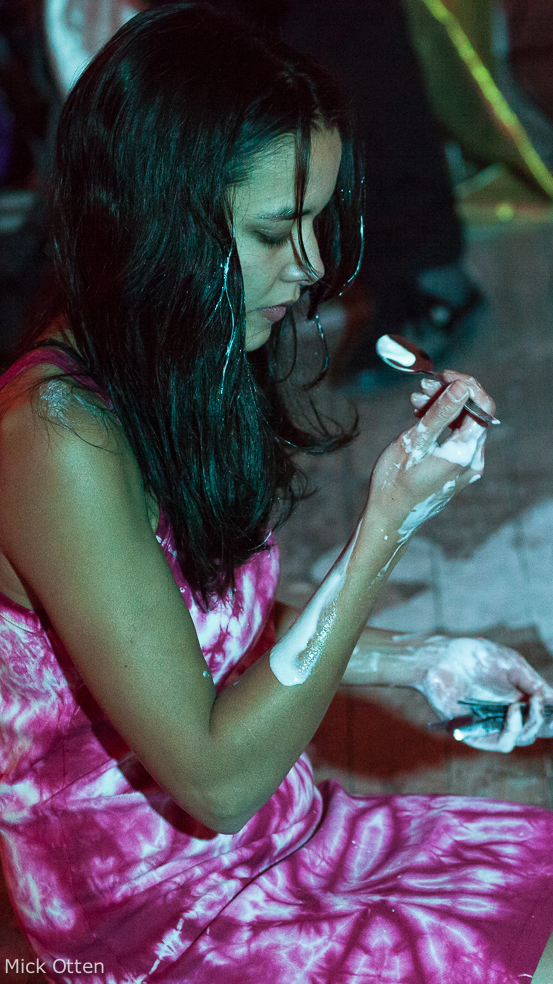
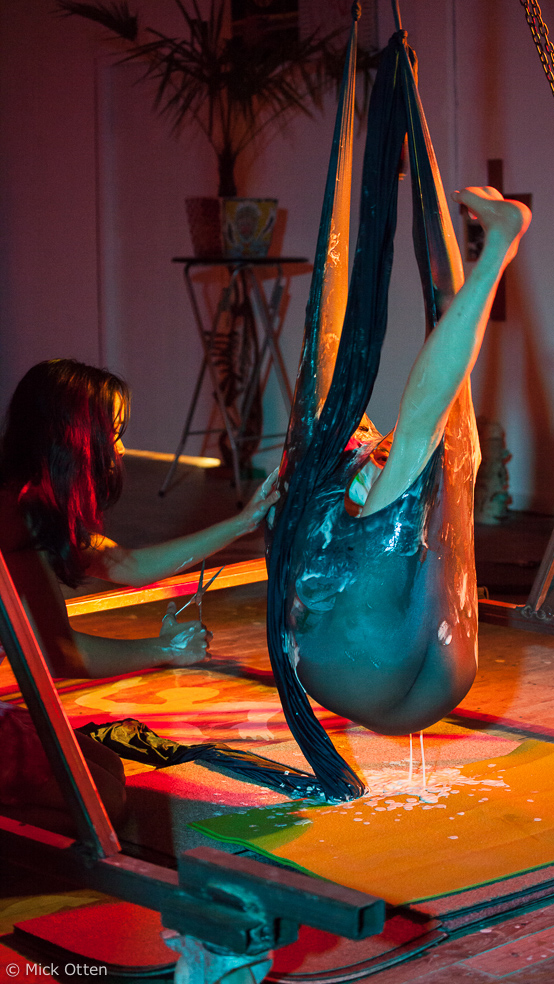
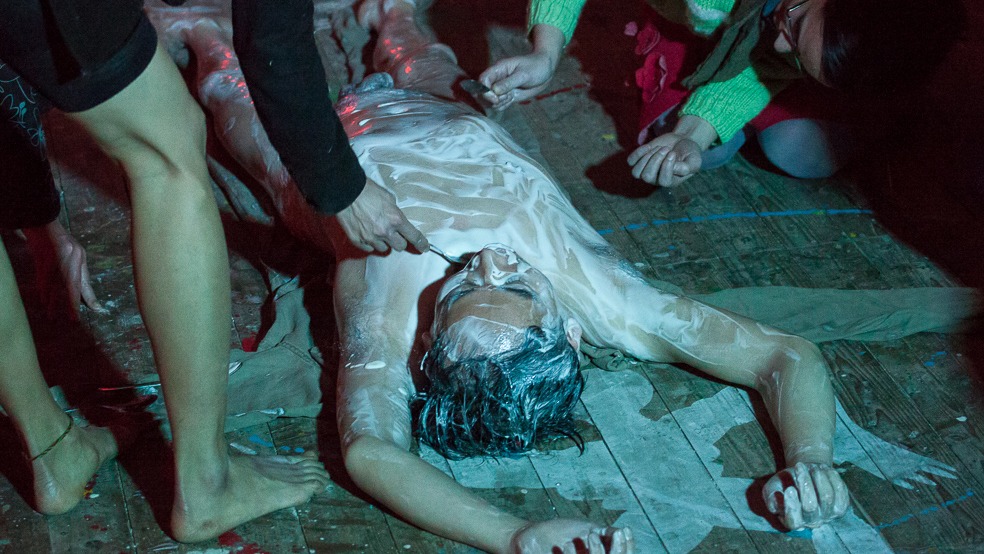
ReBirth (2013)'30
A Performance Art Piece by Philemon Mukarno
The Genesis of ReBirth: A Performance Art Piece
ReBirth, a powerful and thought-provoking performance art piece, found its origins in the Saturn 3S90 project, a series of performances exploring the themes of time and space. It debuted in 2005, captivating audiences with its unique portrayal of regeneration and renewal.
A Daring Act of Regeneration and Renewal
In a breathtaking sequence, the artist courageously set himself on fire using a torch, only to dash towards a pool of water where he swiftly extinguished the flames. The metamorphic display symbolized a profound rebirth, akin to emerging from a nurturing womb.
Transforming Trauma into Art: The Artist’s Motivation
The artist drew inspiration from his own life-changing experience of surviving a near-fatal accident, which left him with painful scars. Through ReBirth, he sought to express gratitude for being alive while transcending his traumatic past and embracing a fresh beginning. Moreover, the performance aimed to challenge both the artist and the audience to confront their fears and realize their untapped potential.
Mixed Reactions: Critics and Audience Response
ReBirth elicited a wide spectrum of responses from spectators and critics alike. Some hailed its originality, intensity, and sheer power, while others expressed concern over its perceived riskiness, sensationalism, and violent undertones. The performance left audiences divided, with some finding it a captivating and inspirational spectacle, and others deeming it disturbing and superfluous.
ReBirth: A Multi-faceted Exploration
This mesmerizing performance delves into various profound themes, encompassing life, death, rebirth, as well as the interplay of art, risk, and spectacle. Breaking boundaries between the natural and artificial, organic and synthetic, and human and animal, ReBirth challenges conventional notions of artistic expression.
A Ritual of Connection: Fire, Water, and Nature
Beyond mere spectacle, ReBirth invites the audience to engage in a ritual-like ceremony, forging a deep connection with the elemental forces of fire and water, and embracing the cyclic nature of existence.
Subjectivity in Art: The Freedom to Interpret
As with any art, ReBirth becomes a subjective experience for each viewer. It acts as a mirror, reflecting not only the artist’s intentions but also the individual perceptions and emotions of the audience, allowing for diverse interpretations and personal reflections.
ReBirth
stands as an extraordinary performance that sparks contemplation on life’s complexities and the transformative power of art. By uniting the elements of fire and water, it unites us with the eternal rhythms of nature, transcending boundaries and inviting us to embark on our unique journey of rebirth and self-discovery.
ReBirth: Philemon Mukarno’s Sacred 30-Minute Naked Performance on Regeneration, Renewal, and Spiritual Transformation
Understanding ReBirth as Elemental Spiritual Ritual
Philemon Mukarno’s “ReBirth” (2013) represents a transformative 30-minute embodied exploration of regeneration, renewal, and spiritual awakening through radical elemental performance art. Originating from the Saturn 3S90 project—a series investigating time and space—the work emerged as profound meditation on cycles of death and rebirth. The performance features Mukarno setting his naked body aflame using torch, then immediately extinguishing himself by rushing into water. This breathtaking sequence enacts mythological and spiritual patterns of destruction and renewal found across cultures and traditions. The performance transforms personal survival experience into collective ritual celebrating life, gratitude, and human resilience.
“ReBirth” positions the naked body as sacred conduit for elemental forces and spiritual transformation. The performance suggests that genuine renewal requires confronting extreme vulnerability and passing through symbolic death toward rebirth. The work draws inspiration from Mukarno’s own near-fatal accident leaving him with painful scars. Rather than denying trauma or attempting transcendence beyond it, “ReBirth” honors the survival experience while using performance to transmute suffering into spiritual teaching. The work invites audiences toward recognizing their own capacity for regeneration and transformation.
The Mythological Architecture of Fire and Water
Fire as Purification, Destruction, and Spiritual Transformation
Fire operates as primary symbol within “ReBirth,” representing multiple simultaneous dimensions of spiritual meaning. In many traditions, fire purifies—burning away impediment and returning matter to elemental state. The performer’s body engulfed in flames becomes target of purification ritual. Yet fire also destroys—consuming what previously existed, leaving only ash and absence. The naked body burning suggests death and dissolution. The simultaneous presence of both purifying and destructive dimensions makes fire paradoxical element permitting spiritual transformation.
Fire also represents primal creative force. In Hindu cosmology, Agni—the fire deity—facilitates transformation and transmits consciousness from material to spiritual realm. The fire consuming Mukarno’s flesh becomes vehicle for such transformation. The performance suggests that authentic spiritual rebirth requires undergoing symbolic destruction. What burns away permits new growth. The ashes left behind become fertile ground for new beginning. The willingness to permit fire to touch and transform the body demonstrates spiritual courage and commitment.
The nakedness combined with fire carries particular significance. The unclothed flesh remains completely exposed to flames with no protection. The vulnerability of exposed skin to fire’s touch becomes intensified risk. Yet this vulnerability becomes spiritual virtue rather than liability. The performer’s willingness to risk bodily harm for spiritual principle demonstrates authentic commitment transcending mere intellectual belief. The pain of fire touching naked flesh becomes real embodied engagement with destruction necessary for transformation.
The fire also connects to shamanic initiation traditions where individuals undergo burning or intense heat exposure during spiritual awakening. The intensity of the fire acts as initiatory ordeal permitting access to altered consciousness. The performer potentially accesses heightened awareness through the extreme stimulus of burning. The fire becomes vehicle for consciousness transformation rather than merely physical ordeal. The audience witnesses someone undergoing shamanic initiation toward spiritual awakening.
Water as Healing, Cleansing, and Rebirth
Water functions as complementary element to fire within “ReBirth,” representing opposite yet necessary dimension of spiritual process. Where fire destroys and purifies through intense heat, water heals and renews through coolness and flow. The performer rushing into water immediately after flames offers dramatic contrast. The sensation of cool water extinguishing flames becomes relief and healing balm after fire’s intensity. The transition from fire to water enacts complete cycle—destruction followed by restoration.
Water carries profound spiritual significance across traditions as element of purification, renewal, and rebirth. Baptismal traditions use water to symbolize spiritual cleansing and new birth. The performer submersing in water becomes baptized into new life following symbolic death through fire. The water washes away ashes and residue of burning. It simultaneously cools and heals burned flesh. The water becomes medium through which transformation completes and rebirth becomes actual.
The womb imagery suggested in the performance description—emerging from water as emerging from nurturing womb—carries powerful psychological and spiritual significance. Water becomes maternal containing space permitting regeneration. The individual emerging from water becomes reborn—vulnerable, fresh, renewed. The performer returns from water transformed by the ordeal. The baptismal passage through water permits access to new identity following symbolic death through fire.
Water also represents flow and flexibility—qualities opposite to fire’s rigidity and consuming intensity. The water yields and adapts rather than burning and destroying. The water permits movement and fluidity. The combination of fire’s intensity with water’s yielding suggests that complete spiritual transformation requires both intense destruction and gentle yielding. Neither element suffices alone. The performance integrates opposite forces toward holistic renewal.
The Personal and Collective Dimensions of Survival
Transmuting Trauma into Sacred Spiritual Practice
The performance draws inspiration from Mukarno’s personal experience of surviving near-fatal accident leaving painful scarring. Rather than denying or attempting to transcend the trauma, “ReBirth” honors the survival through embodied performance. The artist’s willingness to engage fire and burning becomes way of reclaiming embodied reality after traumatic experience. The scars marking the body become evidence of survival deserving honor rather than shame. The performance celebrates remaining alive and conscious despite near-death experience.
The transformation of personal trauma into collective spiritual teaching demonstrates performance art’s healing potential. Trauma often remains isolated—individuals suffering silently, believing their experience represents merely personal failure or weakness. By performing the trauma survival publicly, Mukarno reveals its universal dimensions. The near-death experience speaks to fundamental human vulnerability and capacity for survival. The collective witness acknowledges and honors what individual silence had concealed.
The gratitude expressed through the performance becomes profound spiritual practice. The artist explicitly dedicates the work to expressing gratitude for being alive. This gratitude becomes not sentimental but hardened through actual brush with death. The performance invites audiences toward similar gratitude—recognizing the gift of embodied existence often taken for granted. The work suggests that authentic spirituality emerges through acknowledging miracle of survival and remaining conscious.
The performance also invites audiences toward confronting their own fears and recognizing untapped potential. By witnessing another human endure extreme physical and psychological challenge, viewers potentially access courage within themselves. The performance becomes mirror reflecting audience’s own capacity for transformation and resilience. Many viewers likely carry unprocessed trauma or survival experiences similar to Mukarno’s. The performance models how embodied spiritual practice can transmute such experience toward meaning and healing.
Creating Collective Ritual Space for Healing and Recognition
The gathering of audiences to witness “ReBirth” transforms individual trauma into collective healing ritual. The sacred community temporarily formed around the performance honors the embodied reality of survival. The collective witness suggests that trauma and survival matter—deserve recognition and honor. The community formation becomes itself healing element, breaking isolation often accompanying trauma survival.
The ritual dimensions of “ReBirth” connect to traditions understanding that humans heal through ceremonial engagement. The structured nature of the performance—the deliberate use of fire, the planned movement toward water, the timing and sequence—creates container for sacred encounter. The ritual structure distinguishes this from mere accident or spontaneous action. The intentionality marks the experience as spiritually significant rather than merely sensational.
The collective witness also distributes weight of trauma across community. Rather than isolated individual bearing the entire burden alone, the community shares recognition of what the performer enacts. The sharing of trauma becomes healing. The audience’s emotional response—whether moved to tears, inspired to courage, or challenged to confront their own vulnerability—becomes gift back to performer. The exchange becomes sacred reciprocity rather than one-directional spectacle.
The performance also potentially facilitates healing for audience members carrying their own near-death experiences or survival trauma. Witnessing another person embody and transmute similar experience can catalyze personal healing. The performance gives permission for audiences to honor their own survival and transform trauma into meaning. The ritual becomes vehicle through which individual and collective healing simultaneously occur.
The Paradox of Risk and Artistry
Extreme Physical Engagement as Authentic Spiritual Expression
The use of actual fire to burn the performer’s naked flesh creates unavoidable paradox at the heart of “ReBirth.” The performance risks genuine physical harm for artistic and spiritual purpose. This choice distinguishes the work from safer aesthetic approaches. The actual risk becomes necessary element of authenticity. The audience perceives that the performer genuinely faces danger. This perception creates intensity and stakes impossible through simulated or protected versions.
The authenticity of risk also connects to shamanic and spiritual practices traditionally involving genuine physical danger. Initiatory ordeals across cultures intentionally expose participants to real physical challenge. The survival of such ordeal permits access to altered consciousness and spiritual authority. Mukarno’s performance participates in this tradition, using real fire to create genuine challenge. The authenticity of risk becomes necessary for accessing genuine spiritual transformation.
The extreme physical engagement also demonstrates absolute commitment to artistic vision and spiritual principle. The willingness to risk bodily harm communicates that the work matters more than personal safety. This sacrifice demonstrates to audiences that something genuinely important occurs. The risk becomes itself form of spiritual offering—what the artist gives up for the work. The audience recognizes and honors this sacrifice.
Yet the risk also creates ethical complexity. Critics rightfully questioned whether the work justifies potential physical harm. Some viewed it as sensationalism prioritizing spectacle over genuine spirituality. The paradox remains unresolved—the authenticity potentially requires risk, yet risk itself can be questioned as necessary. The work invites such critique as part of its function, refusing comfortable resolution.
The Performance as Dangerous Beautiful Truth
The dangerous beauty of “ReBirth” emerges precisely through its refusal of safety and compromise. Rather than presenting sanitized or protected version of rebirth symbolism, the work enacts genuine danger. The flames become real. The heat becomes actual. The performer’s vulnerability becomes undeniable. This authenticity creates profound emotional impact impossible through safer approaches.
The dangerous beauty also reflects authentic human condition—life itself involves genuine danger and risk. Modern culture often attempts isolating ourselves from danger through safety measures and protective barriers. The performance refuses such isolation, instead confronting danger directly. The willingness to embrace danger becomes assertion that authentic living requires courage. The beauty emerges through how the artist maintains consciousness and intentionality while facing genuine physical threat.
The work invites audiences toward acknowledging their own relationship with danger and mortality. The contemporary culture often denies death and danger, surrounding ourselves with illusions of safety and control. The performance punctures such illusions, reminding viewers that danger remains always present. The naked vulnerable body burning suggests human fragility and mortality. This confrontation with mortality can trigger profound spiritual awakening.
The dangerous beauty also refuses what Theodor Adorno termed “culture industry” commodification of art. The work cannot be easily packaged, marketed, or consumed as safe commodity. The danger prevents comfortable aesthetic appreciation. Instead, the work demands authentic response and engagement. The danger becomes guard protecting artistic integrity from commodification and domestication.
The Elemental Ritual and Natural Cycles
Honoring the Eternal Cycles of Destruction and Renewal
“ReBirth” invokes the eternal cycles characterizing natural world and spiritual reality. Destruction and renewal continuously alternate—seasons turning, ecosystems changing, cellular transformation occurring within bodies. The performance enacts these universal patterns through concentrated symbolic action. The fire destroying the performer’s embodied form mirrors ecological destruction and renewal cycles. The water restoring wholeness suggests seasonal precipitation permitting new growth.
The performance also honors mythological patterns of death and rebirth found across cultures. The phoenix burning and rising anew; the god dismembered and restored to wholeness; the seed destroying its shell to germinate into new plant—countless myths express the principle that renewal requires prior destruction. Mukarno’s “ReBirth” participates in these ancient archetypal patterns, suggesting that contemporary humans remain embedded within such cycles despite modern technical attempts at transcending them.
The elemental focus also grounds spirituality in natural rather than abstract realm. Rather than discussing spirituality theoretically, the performance engages actual elements—fire and water. The body becomes conduit through which elemental forces express. The audience witnesses not mere representation but actual encounter with natural elements. This grounding in materiality prevents spirituality from becoming disembodied abstraction disconnected from actual embodied existence.
The performance also invokes deep ecological consciousness recognizing human embeddedness within natural cycles. Rather than placing humans apart from nature or claiming dominion, the performance suggests that humans remain integrated with natural processes. The fire and water are not mere props but actual natural forces. The performer’s body becomes site where natural and human dimensions intersect. The work suggests that authentic spirituality requires honoring this intersection rather than attempting transcendence.
Sacred Time and Transformational Temporality
The 30-minute duration of “ReBirth” creates particular temporality structuring the spiritual experience. The time spans sufficient for audiences to surrender habitual consciousness and open toward different awareness. The duration permits the performance to unfold gradually, revealing complexity rather than collapsing meaning into momentary impact. The 30 minutes become sacred time distinguished from ordinary temporality.
The structure moving from fire through water creates complete temporal arc. The beginning establishes the ordeal. The middle engages the burning and transition. The conclusion involves emergence from water transformed. This arc mirrors universal spiritual initiation patterns—separation from ordinary existence, engagement with transformative ordeal, return to ordinary existence with altered consciousness. The temporal structure permits audiences to journey through complete cycle.
The performance also creates liminal time—threshold moment when ordinary rules suspend and different consciousness becomes possible. Within the sacred temporal container of the performance, both performer and audiences potentially access altered consciousness. The everyday constraints on behavior and perception temporarily dissolve. What seems impossible in ordinary time becomes possible within sacred time of the ritual performance.
The temporal experience also permits audiences to recognize the perpetual renewal occurring in ordinary temporality. The performance suggests that if individual consciousness can transform within 30 minutes through intentional engagement, then individuals can also experience continuous transformation through daily spiritual practice. The performance becomes model for how temporality can be engaged toward facilitating consciousness transformation.
Contested Interpretations and Audience Responses
The Spectrum of Reception and Critical Perspectives
“ReBirth” elicited dramatically contrasting responses from audiences and critics reflecting different values and interpretations. Some hailed the work’s originality, intensity, and spiritual power—recognizing authentic artistic vision and courageous embodied practice. Others expressed concern regarding apparent riskiness, sensationalism, and potential glorification of dangerous behavior. The divided response reflects genuine philosophical differences about art’s purpose and limits.
Those celebrating the work recognized it as authentic spiritual expression demanding respect. The commitment to endure real danger for artistic principle demonstrated integrity that compromise cannot achieve. The willingness to risk bodily harm communicated that something genuinely important emerged through the performance. The spiritual dimensions transcended mere spectacle toward genuine transformation. The power of the work resided precisely in its refusal of safety and comfort.
Those expressing concern raised legitimate questions about whether the risk justified artistic outcomes. They worried that dangerous actions might be rationalized through spiritual or artistic language while actually serving sensationalist impulses. They questioned whether authentic spirituality requires genuine physical danger or whether safer symbolic approaches could communicate equivalent meaning. They also considered welfare of the performer—whether the work exploited the artist’s willingness to risk harm for audience consumption.
The spectrum of responses reflects broader philosophical debates about art, risk, and spirituality. The work refuses resolving such debates, instead inviting continued contemplation. The contested nature becomes strength rather than weakness—the performance remains alive and provocative rather than becoming comfortable commodity. The audience’s need to contend with the work’s dangers and meanings keeps the performance vital and relevant.
The Subjective Mirror of Personal and Collective Interpretation
As with authentic art, “ReBirth” becomes distinctly subjective experience for each viewer. The performance functions as mirror reflecting not merely artist’s intentions but also individual audience member’s perceptions, wounds, and spiritual capacity. What one viewer perceives as profound spiritual practice, another might experience as concerning self-harm. What one person interprets as honoring survival, another might view as sensationalizing trauma.
This subjectivity becomes feature rather than bug—the performance resists fixed meaning, instead remaining open to diverse interpretations. The openness permits audiences to encounter what they personally need from the work. Someone struggling with suicidal ideation might encounter life-affirming message about survival. Someone grieving loss might discover model for transforming grief into meaning. Someone exploring spirituality might access dimensions of sacred practice. The work becomes different for each viewer while remaining itself.
The subjective dimension also reflects the work’s commitment to inviting audiences into active interpretation rather than passive consumption. The work doesn’t provide comfort of clear meaning but instead creates productive discomfort demanding engagement. The audience must determine their own response—cannot hide behind critical consensus or institutional validation. This demand for active engagement creates conditions for genuine consciousness transformation.
The performance also becomes site for audiences to recognize their own shadows—the aspects of themselves normally denied or hidden. The naked burning performer can trigger recognition of one’s own vulnerability, mortality, and potential for transformation. The confrontation with danger might evoke suppressed courage or fear. The performance becomes mirror reflecting both beauty and shadow dimensions within viewer consciousness.
Conclusion: ReBirth as Gateway to Continuous Spiritual Transformation and Elemental Renewal
Philemon Mukarno’s “ReBirth” (2013) stands as courageous artistic statement about regeneration, renewal, and spiritual awakening through radical naked embodied performance. The 30-minute enactment of fire and water creates complete ritual cycle honoring cycles of destruction and rebirth. The naked vulnerable body becomes sacred site where elemental forces express and consciousness transforms. The work draws inspiration from personal survival experience while invoking universal archetypal patterns permitting audiences to access their own transformation potential.
The uncompromising commitment to authentic embodied practice distinguishes “ReBirth” from conventional approaches to spiritual or artistic expression. The actual use of fire creates stakes and intensity impossible through safer symbolic means. The performer’s genuine vulnerability and willingness to risk harm demonstrate authentic commitment transcending aestheticism. Audiences cannot dismiss the work as mere entertainment—something genuinely significant and potentially transformative occurs.
The work also models how personal trauma and survival can become vehicle for collective healing and spiritual teaching. Rather than denying or attempting transcendence beyond near-death experience, Mukarno honors survival through embodied practice. The performance suggests that authentic spirituality emerges through integrating and transforming difficulty rather than escaping it. The work invites audiences toward similar integration within their own lives.
The elemental focus grounds spirituality in natural rather than abstract realm. The performance suggests that genuine spiritual awakening involves direct encounter with natural forces and embodied reality. The integration of fire and water, destruction and renewal, danger and beauty—all mirror eternal natural cycles within which humans remain embedded. The performance honors this embedding rather than claiming transcendence.
Through “ReBirth” and his broader artistic practice, Mukarno affirms the power of naked embodied performance for facilitating profound consciousness transformation and spiritual awakening. The vulnerable exposed body becomes most powerful vehicle for authentic spiritual transmission. The willingness to risk harm communicates genuine commitment. The elemental engagement with fire and water connects contemporary consciousness to ancient spiritual and mythological patterns. The performance leaves indelible impact—on individual consciousness, on collective conversation about spirituality and art, on understanding of how authentic transformation occurs through courageous embodied practice and sacred honoring of life, survival, and renewal.
SEO Optimization Notes
Primary Keyword: ReBirth Philemon Mukarno performance
Secondary Keywords: Fire water naked performance art, elemental spirituality rebirth, sacred transformation embodied practice
Meta Description: Discover Philemon Mukarno’s transformative “ReBirth” performance—exploring regeneration, renewal, and spiritual awakening through fire, water, and sacred naked embodiment.
Title: ReBirth: Philemon Mukarno’s Sacred Performance on Elemental Regeneration and Spiritual Renewal


Get Inspired Festival
City Art
Rotterdam
Netherlands
24 november 2013




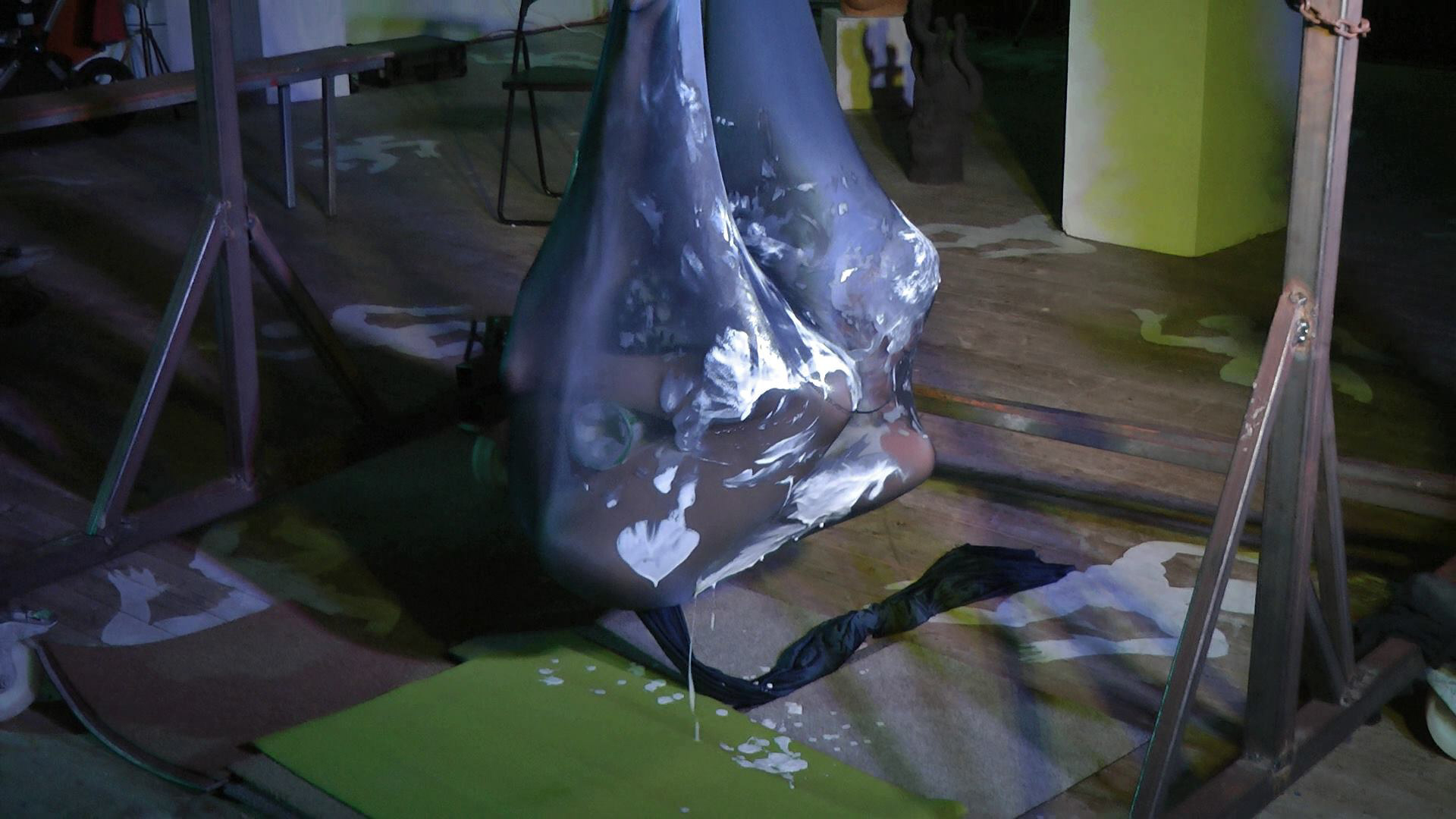




ReBirth