
Storm
(2013) ’40






Storm: Where Vulnerability Becomes Revolutionary
Storm represents far more than contemporary performance art. It stands as a bold declaration of honesty and spiritual awakening. The naked body, stripped of all protective layers, becomes the primary instrument of truth. Furthermore, this performance challenges audiences to reconsider everything they understand about vulnerability and courage. In essence, Storm transforms nudity from spectacle into sacred ritual. The experience invites both performers and witnesses into a profound journey toward authentic human connection.
The Philosophy Behind Naked Vulnerability
Nudity in contemporary performance art carries immense philosophical weight. Rather than serving exploitative purposes, nakedness becomes a powerful vehicle for expressing the deepest aspects of the human experience. Additionally, the unclothed form permits artists to communicate emotions that words cannot reach. Consequently, audiences encounter an undeniable truth: stripped of costumes and cultural symbols, we are all fundamentally alike. The naked dancer embodies this universal human condition. Meanwhile, the performance space transforms into a sanctuary where shame dissolves and authenticity flourishes. Thus, vulnerability transcends weakness and evolves into revolutionary strength.
The Creative Vision: Music, Movement, and Spirit
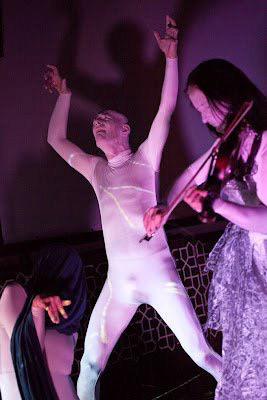
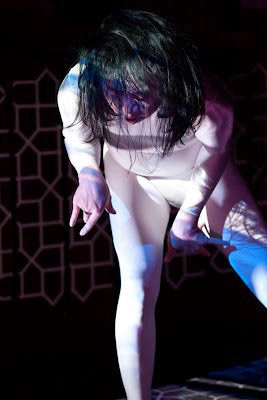
Storm thrives on extraordinary creative collaboration. First, Martine von Gleich’s violin breathes lightning into the performance space. The instrument’s haunting melodies become prayers articulated through strings and bow. Subsequently, John Giskes’s passionate dance stirs the very air surrounding the venue. Each movement emerges as a response to sonic energy and inner spiritual impulse. Therefore, the fusion of music and naked movement creates an immersive ritual experience. Additionally, every gesture carries intentional meaning. The performers do not simply move bodies through space. Rather, they channel elemental forces and spiritual currents through vulnerable, exposed flesh.
The Language of the Unclothed Body
Remarkably, the naked body speaks volumes without uttering a single word. First and foremost, exposed skin communicates authenticity that clothed performances cannot achieve. Moreover, each tremor, each breath, each movement reveals the performer’s inner emotional landscape. The audience witnesses not an illusion, but raw humanity. Consequently, spectators experience profound empathetic connection. Furthermore, this transparency dissolves the boundary between performer and observer. Rather than maintaining distance, the naked form invites intimate witnessing. Thus, the audience becomes co-creator in the ritual space.
Ritual as Spiritual Transformation
Storm draws inspiration from ancient theatrical traditions and contemporary spiritual practice. Consequently, the performance functions as a modern ritual of transformation. In particular, the piece channels the timeless drama of Shakespeare’s “The Tempest,” infusing classical material with contemporary naked dance expression. Additionally, ritual elements structure the performance deliberately. Each movement sequence builds toward spiritual crescendo. Therefore, the experience guides participants through predictable stages: opening recognition, escalating intensity, cathartic release, and profound renewal. Ultimately, audiences leave fundamentally changed.
Embracing Chaos as Creative Opportunity
Paradoxically, chaos becomes the fertile ground from which authentic performance emerges. In other words, Storm does not fear confusion, disruption, or emotional intensity. Instead, the performance welcomes these forces as essential components of the ritual. Consequently, dancers embody the eye of the storm—that paradoxical space of profound calm amid surrounding turbulence. Additionally, the performers demonstrate that destruction can initiate rebirth. Furthermore, this philosophy extends beyond the stage into audience consciousness. Therefore, spectators leave with new perspective on personal challenges and spiritual transformation.
The Sacred Power of Authentic Exposure
Throughout history, various spiritual traditions have recognized the sacred potential within exposed human flesh. For instance, ancient rituals often required practitioners to remove material possessions as symbolic acts of surrender. Similarly, Storm employs the naked body as a ritual offering. Moreover, this exposure breaks barriers between earthly physical experience and transcendent spiritual awareness. Additionally, each naked movement becomes a prayer. Consequently, the performance transcends entertainment and becomes genuine spiritual practice. Therefore, witnesses often report experiences of profound emotional and spiritual awakening.
Collaborative Alchemy: Artists United
Storm exemplifies the transformative power of creative collaboration. In the first place, Mukarno’s visionary concept provides the artistic foundation. Subsequently, John Giskes brings years of dance experience and passionate physical expression. Additionally, Martine von Gleich contributes her extraordinary musical sensitivity and instrumental mastery. Consequently, these three creative forces merge into something greater than individual parts. Furthermore, this alchemy creates an artistic experience that transcends conventional performance categories. Therefore, the result stands as uniquely powerful and unforgettable.
The Audience Experience: Witnessing as Sacred Act
Attending Storm demands active participation from audience members. In other words, viewers are not passive consumers of entertainment. Rather, they become essential participants in the ritual. Additionally, the performance directly engages audience emotional and spiritual capacities. Consequently, observers find themselves reflecting on personal vulnerability and authentic self-expression. Furthermore, this collective witnessing creates community among strangers. Therefore, the shared experience often generates profound connection and mutual recognition.
Physical Movement as Spiritual Language
The dancers’ movement vocabulary in Storm operates on multiple communicative levels simultaneously. First, the choreography demonstrates technical skill and physical excellence. However, beyond technical mastery exists deeper meaning. Additionally, each gesture connects to universal human experiences: longing, fear, surrender, and transcendence. Consequently, the movements bypass intellectual analysis and communicate directly to the viewer’s body and soul. Furthermore, this somatic communication proves far more powerful than any verbal explanation could achieve. Therefore, audiences understand Storm viscerally rather than intellectually.
The Intersection of Nature and Culture
Storm deliberately blends natural elemental forces with intentional artistic creation. In particular, the performance explores wind, sound, and human skin as interwoven elements. Additionally, this interplay suggests that human bodies are not separate from nature but extensions of natural forces. Consequently, the naked form becomes landscape, instrument, and spiritual vessel simultaneously. Furthermore, this perspective challenges Western dualistic thinking that separates culture from nature. Therefore, spectators experience renewed sense of ecological connection and embodied belonging.
Transformation Beyond the Stage
Most significantly, Storm’s impact extends beyond the performance venue. Viewers often report lasting changes in how they perceive their own bodies and emotional lives. Additionally, audiences frequently experience increased comfort with vulnerability and authentic self-expression. Consequently, the performance catalyzes ongoing personal reflection and spiritual growth. Furthermore, many attendees describe Storm as a “peak experience”—a transformative moment that fundamentally alters their understanding of human possibility. Therefore, the ritual continues unfolding long after the final curtain falls.
The Future of Performance Art
Storm demonstrates where contemporary performance art is moving. In other words, artists increasingly employ the naked body not as shock tactic but as honest communication medium. Additionally, audiences hunger for authentic connection and spiritual meaning. Consequently, performances like Storm fulfill this deep human longing. Furthermore, the combination of vulnerability, collaboration, and intentional artistry resonates powerfully with contemporary viewers. Therefore, Storm represents emerging direction in performance art: toward authenticity, toward ritual, toward spiritual awakening.
The Lasting Echo of Storm
As the performance concludes and silence settles like a benediction, something profound has shifted. The audience carries the experience forward into daily life. Consequently, viewers recognize their own capacity for vulnerability and transformation. Furthermore, Storm reminds us that the unclothed human form holds sacred power. Additionally, through naked dance and authentic movement, genuine spiritual awakening becomes possible. Therefore, Storm stands as a powerful testament to performance art’s capacity to transform consciousness and awaken the human spirit.


