Lupa(2019) '15 Naked Performance - Philemon Mukarno
Lupa: Philemon Mukarno’s Sacred Naked Performance on Motherhood, Protection, and Divine Guidance
Understanding Lupa as Mythological Spiritual Inquiry
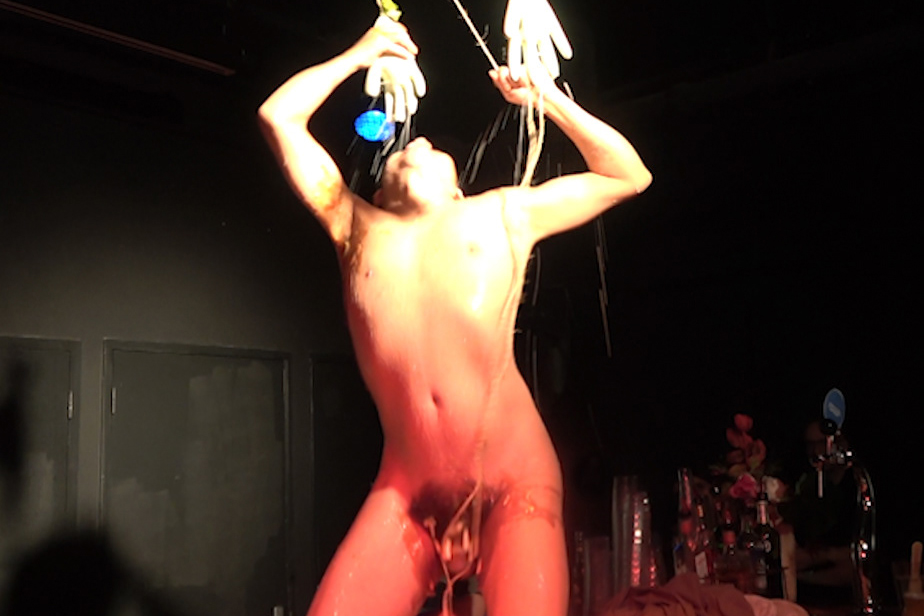
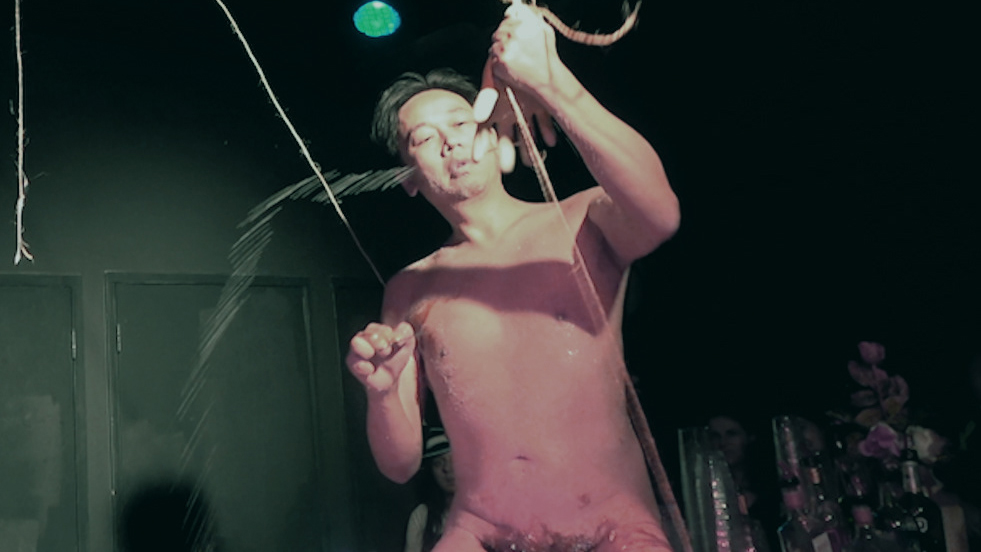
Philemon Mukarno’s “Lupa” represents profound exploration of ancient Roman mythology through naked embodied performance. Created in 2019, this 15-minute piece channels the legendary she-wolf who nurtured Rome’s mythical twin founders, Romulus and Remus. Mukarno transforms classical mythology into contemporary spiritual practice through vulnerable bodily presence. The performance interrogates themes of motherhood, protection, and divine guidance through direct bodily engagement. Rather than historical representation, the artist investigates how archetypal female nurturing force operates spiritually within human consciousness.
The she-wolf’s story carries profound spiritual significance extending beyond historical fact or mythological narrative. Lupa represents feminine principle of compassionate intervention emerging when survival appears impossible. She transforms potential tragedy into new beginning through her protective embrace. Mukarno’s naked engagement with this mythological figure explores how such transformative protection operates within spiritual realm. The performance becomes meditation on possibility of rescue, redemption, and rebirth through unconditional nurturing presence.
The Myth of Lupa: Ancient Narrative and Archetypal Meaning
The Legendary Rescue and Foundational Story
The myth of Lupa originates in ancient Roman tradition describing the she-wolf who rescued twin brothers Romulus and Remus from certain death. Born to Rhea Silvia, a Vestal Virgin, and Mars, the god of war, these twins threatened their grandfather King Amulius’s authority. Fearing potential challenge to his rule, Amulius ordered the infants drowned in the Tiber River. Yet destiny intervened through divine providence. The basket containing the twins washed ashore, and Lupa discovered the abandoned infants. Rather than devouring the helpless children, the she-wolf provided milk from her own body, nurturing them toward survival.
This rescue represents pivotal moment transforming tragedy into new possibility. Abandoned children destined for death encountered unexpected salvation through maternal compassion. Lupa’s protective embrace permitted the twins to survive childhood vulnerability and eventually establish Rome. The myth suggests that human civilization itself emerged from a moment of feminine protection and nurturance transcending natural predatory instinct. The she-wolf’s choice to nurture rather than consume becomes foundational act establishing Rome’s destiny.
The story carries profound implications for understanding protection and maternal power. Lupa operates outside conventional maternal relationships—she is not biological mother yet provides essential nurturance. Her protection emerges from mysterious capacity for compassion transcending species boundaries and predatory nature. She becomes instrument of divine will ensuring survival of beings destined for greatness. The myth celebrates feminine power manifested through nurturing protection rather than aggressive dominance.
Ancient Romans recognized profound spiritual significance in this story. The she-wolf became symbol of Rome itself, embodying values of maternal protection, fierce defense of vulnerable beings, and alignment with divine purpose. The myth shapes Roman cultural identity and collective consciousness. Later Roman artists repeatedly depicted Lupa nursing the twins, creating enduring visual symbol recognizing feminine protective power as foundational to civilization. Mukarno engages this ancient mythological tradition through contemporary performance practice.
The Symbolism of Divine Providence and Maternal Compassion
Lupa’s intervention in the infants’ fate represents manifestation of divine providence operating through unexpected channels. The myth suggests that higher powers orchestrate events toward destined outcomes. Abandoned children floating helplessly appear to face inevitable death. Yet divine will channels rescue through she-wolf’s compassionate heart. The narrative celebrates mysterious ways divine protection emerges through apparently chance encounters. The story invites viewers toward recognizing divine guidance operating through nature and unexpected sources.
The she-wolf herself becomes symbol of divine feminine power—protective, nurturing, yet fierce. She combines apparent tenderness of maternal care with predatory power. She could easily destroy the infants yet chooses nurturance instead. This paradoxical synthesis of fierceness and tenderness reveals feminine spiritual power operating at multiple levels simultaneously. The she-wolf demonstrates that protection sometimes requires fierceness while compassion often manifests through quiet nurturance. The balance between these dimensions creates complete spiritual presence.
Motherhood represented through Lupa transcends biological reproduction. She becomes archetypal mother principle—the universal capacity to nurture, protect, and sustain vulnerable beings. The she-wolf’s motherhood emerges through choice and compassion rather than biological obligation. This voluntary acceptance of nurturing responsibility carries particular spiritual significance. Lupa demonstrates that true motherhood reflects conscious commitment to protecting life rather than automatic biological function. The myth celebrates active choice to provide care and protection.
Divine guidance operates through Lupa in multiple dimensions. First, divine providence directs the twins to her. Second, divine power transforms her predatory nature into compassionate protection. Third, her nurturance permits the twins’ survival and eventual greatness. The myth suggests that divine will works through natural forces and individual hearts rather than intervening miraculously from outside. Protection emerges through mysterious confluence of accident, compassion, and destined purpose. Mukarno’s performance investigates how such divine guidance operates within human spiritual consciousness.
The Naked Body as Sacred Vessel for Archetypal Mythology
Embodying Lupa: The She-Wolf’s Protective Presence
When Mukarno performs “Lupa,” the artist’s naked body becomes vessel for mythological she-wolf consciousness. The nakedness connects to animal vulnerability and embodied authenticity. Rather than distancing himself from Lupa through representation or costume, Mukarno identifies directly with the she-wolf’s consciousness and protective impulse. The naked body demonstrates complete opening toward the mythological figure’s spiritual essence. The artist becomes channel through which the she-wolf’s consciousness expresses within contemporary performance context.
The nakedness also invokes vulnerability paralleling the abandoned twins’ exposure to death. The vulnerable naked body recalls infants’ defenselessness requiring external protection. By stripping away all protective barriers, Mukarno positions himself as also vulnerable, dependent on compassion and protection. This positioning permits audiences to recognize shared vulnerability across human and animal dimensions. The performance suggests that protection and nurturance become necessary responses to encountering vulnerability rather than optional charity.
The body’s exposure also permits direct encounter with mythological archetype. Audiences cannot hide from the naked artist behind representational distance or aesthetic mediation. They must confront the raw vulnerable reality of embodied spirituality. The nakedness demands authentic response from viewers. They cannot maintain cynical detachment when encountering genuine naked vulnerability. The performance’s power emerges through this authentic confrontation between performer’s vulnerable body and audience’s necessary ethical response.
Mukarno’s performance of Lupa demonstrates that mythological consciousness can be channeled through contemporary living bodies. Ancient myths remain alive within human consciousness and can activate through embodied spiritual practice. The performance suggests that the she-wolf’s archetypal presence continues operating within human spiritual realm. By offering his naked body as vessel for Lupa’s consciousness, Mukarno permits the mythological figure to speak directly through contemporary performance. The ancient myth becomes living force channeling through present-day artistic practice.
The Naked Body as Sacred Microcosm Containing Archetypal Forces
Within Mukarno’s artistic philosophy, individual naked bodies function as sacred microcosms containing universal forces and archetypal presences. The she-wolf’s protective consciousness inhabits the performer’s physical form. By exposing his body, the artist reveals cosmic and mythological dimensions operating within human embodiment. The performance becomes site where ancient archetypal forces become visible through contemporary naked presence. Audiences encounter not merely individual artist but conduit for mythological consciousness transcending time and culture.
This understanding reflects Asian spiritual traditions recognizing bodies as containing universal principles. Bodies function as gateways between individual consciousness and larger mythological and cosmic dimensions. Exposure of the body reveals sacred architecture connecting to forces beyond individual personality. Mukarno’s philosophical framework treats performance art as sacred practice channeling archetypal forces through vulnerable embodiment. The she-wolf’s consciousness literally inhabits the performer’s flesh during the 15-minute duration.
The sacred microcosm perspective transforms understanding of mythological performance. Rather than intellectually interpreting mythology or representing it through acting, the artist embodies archetypal consciousness directly. This embodied approach permits audiences to encounter mythological presence more authentically than academic or theatrical interpretations. The naked body becomes bridge permitting contemporary consciousness to touch ancient archetypal presence. The performance creates conditions for genuine spiritual communion with mythological forces.
The nakedness also emphasizes continuity between animal and human consciousness. The she-wolf and human artist share vulnerable embodied existence. Both possess bodies requiring nurturance and protection. Both can experience compassion and protection. The performance suggests that mythological figures like Lupa remain relevant precisely because their consciousness operates within shared animal-human vulnerability. The naked body reveals this shared embodied existence connecting contemporary performer to ancient mythological forces.
The Performance Bar as Liminal Sacred Space
Intimate Proximity and Direct Spiritual Encounter
Mukarno performed “Lupa” in intimate settings where audiences sit close enough to witness every physical detail and subtle movement. This extreme proximity prevents audiences from maintaining emotional distance or psychological protection. The bar setting creates liminal space where ordinary social rules suspend temporarily. Sacred ritual occurs within profane commercial environment. This tension generates unique spiritual potential unavailable in conventional art or spiritual spaces.
The extreme proximity transforms witnessing into direct spiritual encounter. Audiences cannot hide their responses when sitting immediately adjacent to naked vulnerable performer. Their own protective barriers feel challenged by proximity. The direct confrontation with the artist’s embodied spirituality penetrates psychological defenses. Some audiences may experience spontaneous emotional opening or spiritual recognition. The intimacy becomes vehicle for transformation operating beyond rational analysis.
The bar environment also grounds spiritual inquiry within ordinary life rather than elevating it into separate sacred realm. This democratizes spiritual experience, suggesting that profound sacred encounters can occur anywhere with sufficient intention and vulnerability. The profane setting of a working bar creates productive tension with spiritual content. This tension prevents spirituality from becoming escapist fantasy. Instead, sacred presence becomes grounded in contemporary ordinary reality. The performance suggests that mythological consciousness and spiritual awakening remain accessible within everyday life.
The Performance Bar’s informality also encourages different audience engagement modes than conventional theaters permit. Audience members can breathe naturally, shift positions, and respond organically. They are not locked into rigid theater seating enforcing passive observation. The casual atmosphere permits active spiritual participation rather than passive consumption. The bar setting supports audiences moving beyond observer role toward co-creator participation in spiritual encounter.
Creating Transformable Sacred Space Within Commercial Environment
The Performance Bar’s institutional hybridity creates space where conventional distinctions between commerce and spirituality blur. A working bar typically functions as social space supporting consumption of food and beverages. Mukarno transforms this commercial environment into site for profound spiritual inquiry. The overlay of sacred practice upon commercial venue generates unexpected resonance. Audiences encounter spirituality in contexts normally reserved for casual social gathering. This unexpected intersection creates productive confusion opening consciousness toward different engagement possibilities.
The performance creates temporary sacred community within the bar’s commercial environment. Audience members gathered around naked vulnerable performer form community united around recognition of shared human vulnerability and capacity for spiritual transformation. This community differs from ordinary bar patrons united around consumption. Instead, community forms around collective witness to sacred embodied practice. The sacred space emerges through collective intention and recognition rather than through architectural features or institutional designation.
The transformation of commercial space into sacred space reflects broader shift toward recognizing spirituality’s availability within ordinary contexts. The performance suggests that spiritual authenticity doesn’t require separation from ordinary life. Sacred presence emerges wherever humans approach experiences with genuine intention and commitment. The Performance Bar’s commercial function doesn’t prevent spiritual authenticity. If anything, the contrast between commercial context and spiritual content intensifies the work’s power. The performance demystifies spirituality while simultaneously affirming its profound significance.
The intimate bar setting also connects Mukarno’s work to traditions of sacred gathering in non-institutional spaces. Throughout history, spiritual practitioners have gathered in ordinary environments—homes, forests, public squares—for sacred practice. The Performance Bar recalls these democratized spiritual gathering traditions. The work resists institutional control of spiritual experience, making profound sacred practice available through accessible ordinary venues. This accessibility democratizes spiritual transformation, suggesting its potential universal availability.
Motherhood, Protection, and Feminine Power in Spiritual Inquiry
The Archetypal Mother as Protective Force
Through performing Lupa, Mukarno investigates archetypal mother as universal protective force operating within spiritual consciousness. The she-wolf embodies feminine principle expressing through protective nurturance. Yet her protection emerges not from sentimentality but from fierce commitment to vulnerable beings’ survival. Lupa combines fierce predatory power with tender nurturing capacity. This synthesis reveals complete feminine spiritual power integrating tenderness and strength.
The archetypal mother principle transcends biological motherhood, encompassing all protective nurturance. Lupa becomes symbol of how beings recognize vulnerability in others and respond through compassionate protection. She represents capacity for transcending self-interest toward honoring others’ survival needs. Her protection reveals spiritual maturity manifesting as concern for vulnerable beings’ wellbeing. The myth celebrates this protective impulse as foundational to civilization and human flourishing.
Mukarno’s performance of Lupa explores how protective feminine consciousness operates within individual human beings regardless of gender. The she-wolf’s protective force remains available to all humans. The performance suggests that cultivating capacity for protection and nurturance represents essential spiritual practice. By performing Lupa, the artist investigates protective consciousness within his own embodied awareness. The performance becomes spiritual inquiry into how to manifest protective mothering presence toward vulnerable beings and aspects of self.
The archetype also explores vulnerability of those requiring protection. Romulus and Remus could not save themselves. Their survival depended upon encountering compassionate response to their helplessness. The performance acknowledges that humans remain perpetually vulnerable in certain dimensions. Genuine spirituality requires honoring vulnerability while cultivating capacity to protect vulnerable beings. The myth celebrates both the protected and protector as participating in sacred relationship.
Protection as Spiritual Practice and Ethical Commitment
Mukarno’s engagement with Lupa transforms protection from mere behavior into spiritual practice and fundamental ethical commitment. The she-wolf’s protection emerges not from sentiment or obligation but from direct perception of vulnerability requiring response. Spiritual maturity involves recognizing vulnerability and committing oneself toward protection. This commitment represents core spiritual practice. The performance investigates how to cultivate and maintain protective consciousness.
Protection requires courage, sacrifice, and sustained commitment. Lupa offers her own body to sustain the vulnerable infants. She provides nurturance at cost to herself. Her protection demands continuous effort and vigilance. Spiritual protection similarly requires sacrifice and sustained commitment rather than momentary compassion. The performance suggests that genuine protection develops through disciplined practice over time. The artist’s 15-minute embodied performance of protective consciousness becomes form of spiritual discipline.
The protection archetyped through Lupa includes not merely physical survival but spiritual wellbeing. She provides not just milk but also presence, belonging, and recognition of worth. Her nurturance establishes foundation permitting the twins’ eventual greatness. Similarly, spiritual protection involves creating conditions where others can flourish toward their full potential. The performance investigates how to offer space and support for others’ spiritual development. Protection becomes understood as collaborative participation in others’ becoming.
The ethical dimensions of protection receive particular emphasis through Mukarno’s performance. Protection carries responsibility and ethical weight. It obligates the protector toward others’ wellbeing rather than personal benefit. The performance suggests that genuine spirituality involves recognizing this ethical obligation toward vulnerable beings. By performing Lupa, Mukarno models commitment to embodying protective consciousness. The artist demonstrates willingness to sacrifice personal comfort toward manifesting protective presence.
Divine Providence and Spiritual Guidance Through Unexpected Channels
Recognizing Sacred Intervention in Apparent Accident
The Lupa myth demonstrates how divine providence operates through apparently accidental encounters permitting spiritual transformation. The twins’ rescue appears contingent upon chance circumstances—the basket washing ashore at precisely the location where Lupa hunted. Yet the myth invites recognition of divine intelligence orchestrating these apparent accidents. Mukarno’s performance investigates how to recognize sacred intervention operating through ordinary natural processes. The performance becomes meditation on trusting divine guidance even when mechanisms appear purely accidental.
Modern secular consciousness tends to attribute events to chance or mechanical causation. Yet the Lupa myth suggests that deeper intelligence choreographs events toward destined outcomes. The performance invites audiences toward developing capacity for recognizing divine providence operating through nature. Rather than dismissing the rescue as mere accident, the myth celebrates how divine will works through natural processes. Mukarno’s embodied performance opens spaces for audiences to perceive sacred dimension underlying ordinary events.
The investigation of divine providence through performance art represents unique approach to spiritual inquiry. Rather than intellectual analysis or theological debate, the artist embodies the myth’s dynamics directly. The naked body becomes site where audiences can encounter and feel divine providence’s presence. The performance creates conditions for genuine spiritual recognition rather than mere intellectual understanding. Bodies encountering bodies permit spiritual truths to communicate beyond conceptual mediation.
The performance also addresses contemporary spiritual crisis in perceiving divine guidance. Many people describe feeling abandoned by divine presence, experiencing life as random accident rather than guided process. Mukarno’s “Lupa” reintroduces possibility of trusting divine providence. The performance suggests that sacred intervention continues operating in contemporary life just as in ancient myth. By performing the myth’s dynamics directly, Mukarno invites audiences toward recovering capacity for perceiving divine guidance within their own lives.
The She-Wolf as Divine Instrument and Sacred Messenger
Lupa functions as divine instrument channeling sacred intention toward specific spiritual outcome—ensuring survival of beings destined for greatness. The she-wolf becomes conduit for cosmic intelligence working toward predetermined purposes. Her compassion represents divine compassion manifesting through individual will. She doesn’t consciously choose to participate in divine plan yet becomes perfect instrument for its fulfillment. The myth celebrates how divine will works through individual consciousness while respecting freedom and choice.
This framework transforms understanding of spiritual service and divine purpose. Rather than viewing humans as separate from divine plans, the myth suggests that individuals can become instruments through which cosmic intelligence operates. Lupa becomes example of perfect alignment between individual will and divine intention. By embodying her consciousness, Mukarno investigates how contemporary humans might become similar instruments for sacred purposes. The performance becomes inquiry into spiritual alignment and service.
The she-wolf’s role also demonstrates how divine purpose can manifest through unexpected channels. Rather than appearing as obvious divine intervention, spiritual guidance often works through nature and circumstance. The myth celebrates how divine intelligence adapts to working within existing natural and social structures. Spiritual awakening sometimes involves recognizing divine purpose operating through apparently ordinary circumstances. Mukarno’s performance cultivates capacity for perceiving sacred dimension within natural events.
The investigation of divine purpose through embodied practice differs from conceptual philosophy or theology. By performing the she-wolf’s consciousness directly, Mukarno permits audiences to feel possibility of spiritual purpose and divine guidance. The naked artist’s commitment to channeling Lupa’s consciousness offers model for how contemporary humans might serve divine purposes. The performance becomes practical demonstration of how individual will aligns with cosmic intention.
Spiritual Continuity Between Ancient Myth and Contemporary Practice
Activating Archetypal Consciousness Through Embodied Performance
Mukarno’s approach to “Lupa” demonstrates how ancient mythological consciousness remains accessible and activatable through contemporary embodied performance. Rather than treating mythology as historical artifact or cultural heritage to preserve, the artist engages myths as living spiritual forces. The performance creates channels through which archetypal consciousness can flow into present time. The naked artist becomes antenna receiving and transmitting mythological forces. Audiences potentially encounter living mythological presence rather than mere representation or intellectual analysis.
This approach reflects spiritual traditions recognizing mythological archetypes as eternal dimensions of consciousness. The she-wolf represents eternal archetypal force—protective feminine consciousness—that transcends historical periods and cultures. By performing Lupa, Mukarno taps into this eternal force permitting it expression within contemporary context. The performance suggests that mythological consciousness remains vitally alive within modern spiritual experience. The apparent distance separating ancient Rome from contemporary Rotterdam collapses when the archetypal force becomes channeled through present embodied practice.
The embodied approach also honors mythology’s original spiritual functions. Before myths became literary artifacts studied in classrooms, they functioned as spiritual teachings communicating through story and ritual. Mukarno recovers this original function, using the Lupa myth as vehicle for contemporary spiritual inquiry and transformation. The performance restores mythology’s function as live spiritual practice rather than merely historical or literary phenomenon. Modern audiences encounter mythology operating as originally intended—as transformative spiritual power.
The activation of archetypal consciousness through embodied practice also validates personal spiritual experience. When audiences encounter living archetypal presence through Mukarno’s performance, they validate their own intuitive connections to mythology and spirituality. The performance suggests that personal spiritual experiences accessing archetypal forces remain legitimate and valuable. Contemporary secular dismissal of mythology appears challenged when audiences encounter vivid mythological presence operating through naked embodied practice.
Bridging Ancient and Contemporary Through Naked Vulnerability
The nakedness in “Lupa” creates bridge between ancient mythological consciousness and contemporary embodied experience. Vulnerability remains constant across historical periods. All humans experience vulnerability requiring protection and nurturance. By stripping away all protective barriers, Mukarno connects contemporary embodied existence to ancient vulnerability described in mythology. The naked body reveals shared human condition linking modern performers and audiences to ancient figures like Romulus and Remus facing death’s proximity.
This shared vulnerability becomes foundation for recognizing archetypal consciousness as eternally relevant. The she-wolf’s protective response to infant vulnerability addresses universal human condition rather than merely historical circumstance. Audiences witnessing Mukarno’s vulnerable naked body recognize archetypal protection’s continued necessity. The performance suggests that mythological consciousness remains urgent and necessary precisely because fundamental human vulnerability persists across time. Modern humans remain vulnerable to abandonment, exposure, and death just as ancient infants.
The nakedness also dissolves temporal barriers separating ancient myth from contemporary performance. When viewing naked vulnerable body, audiences encounter immediate raw presence transcending historical mediation. The performance permits direct encounter with mythological consciousness without temporal distance or conceptual interpretation. The naked body’s present-time existence activates ancient consciousness through direct embodied connection. Modern and ancient meet in the vulnerable exposed flesh.
The bridge created through vulnerability also establishes ethical continuity. Ancient Lupa recognized and responded to abandoned infants’ vulnerability. Contemporary audiences encountering Mukarno’s vulnerable nakedness potentially develop similar capacity for recognizing and responding to vulnerability. The performance cultivates ethical sensibility connecting ancient and modern consciousness. By embodying Lupa’s protective impulse, Mukarno invites audiences toward similar ethical awakening.
Conclusion: Lupa as Sacred Gateway to Mythological Consciousness
Philemon Mukarno’s “Lupa” represents profound spiritual inquiry into motherhood, protection, and divine guidance through contemporary naked performance art. The 15-minute piece channels ancient Roman mythology, permitting the she-wolf’s archetypal consciousness to speak through the artist’s vulnerable embodied presence. By approaching mythology as living spiritual force rather than historical artifact, Mukarno activates its transformative power for contemporary audiences. The performance transforms abstract mythological story into immediate visceral spiritual encounter.
The nakedness in “Lupa” serves crucial spiritual function, establishing direct authentic connection between performer and mythological consciousness, and between audiences and the performance’s spiritual dimensions. Vulnerability becomes gateway to perceiving sacred dimensions of human existence. The exposed body communicates what words cannot convey about protection, nurturance, and divine providence. The performance demonstrates that profound spiritual inquiry can occur through embodied presence without requiring elaborate production or conceptual frameworks.
The performance also celebrates feminine archetypal power operating through compassionate protection. The she-wolf’s fierce tenderness and tender fierceness reveal complete feminine spiritual presence. By performing Lupa, Mukarno investigates how all humans—regardless of gender—can cultivate protective consciousness and embody sacred nurturance. The performance suggests that spiritual maturity involves recognizing vulnerability in others and committing toward protection. The she-wolf becomes model for how humans might live with greater consciousness and compassion.
The mythological dimensions explored through “Lupa” remain profoundly relevant to contemporary spiritual seekers. Questions about divine providence, protection, and sacred purpose continue addressing fundamental human concerns. The performance suggests that ancient mythology speaks directly to present struggles and spiritual needs. By making the myth live through embodied practice, Mukarno creates conditions for modern audiences to encounter its transformative power. The ancient she-wolf continues offering protection and guidance to vulnerable contemporary beings seeking spiritual awakening and divine presence.
Through “Lupa” and his broader artistic practice, Mukarno demonstrates art’s capacity to bridge ancient and contemporary consciousness. Sacred truths transcend historical distance when channeled through authentic embodied practice. The naked vulnerable body becomes perfect medium for sacred mythology to flow into present experience. Audiences witnessing “Lupa” potentially access living connection to mythological consciousness, divine providence, and protective archetypal forces. The performance becomes sacred gateway permitting contemporary souls to encounter eternal spiritual truths residing within ancient mythology.