Hedon/Eden/Heaven
The performance hedon/eden/heaven focuses on spiritual transformation through direct actions.
The piece deals with desire, innocence, and imagined purity. It moves between these states without offering a fixed answer. Instead, it invites the audience to stay with each phase.
Concept and Spiritual Focus
The title hedon/eden/heaven already suggests a journey. It moves from bodily pleasure, through a mythical garden, toward an idea of heaven. However, these words do not appear as narrative scenes. They unfold through physical states.
The performance is not a religious statement. Rather, it looks at how spiritual images live in the body. Paradise, sin, and cleansing are present as actions. They appear in the way the body moves, hides, and emerges.
Entering the Stage: Between Eden and Exposure
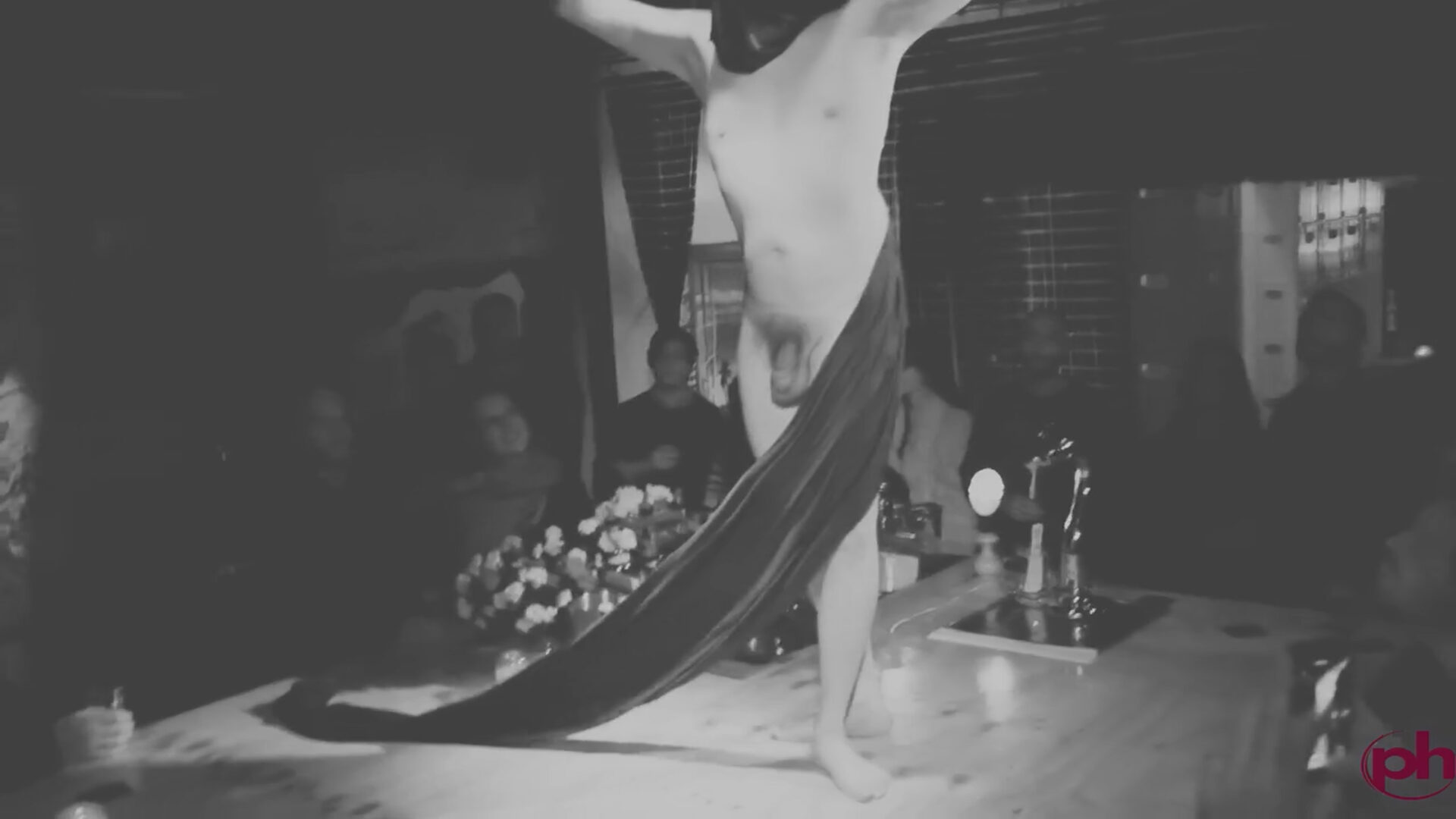
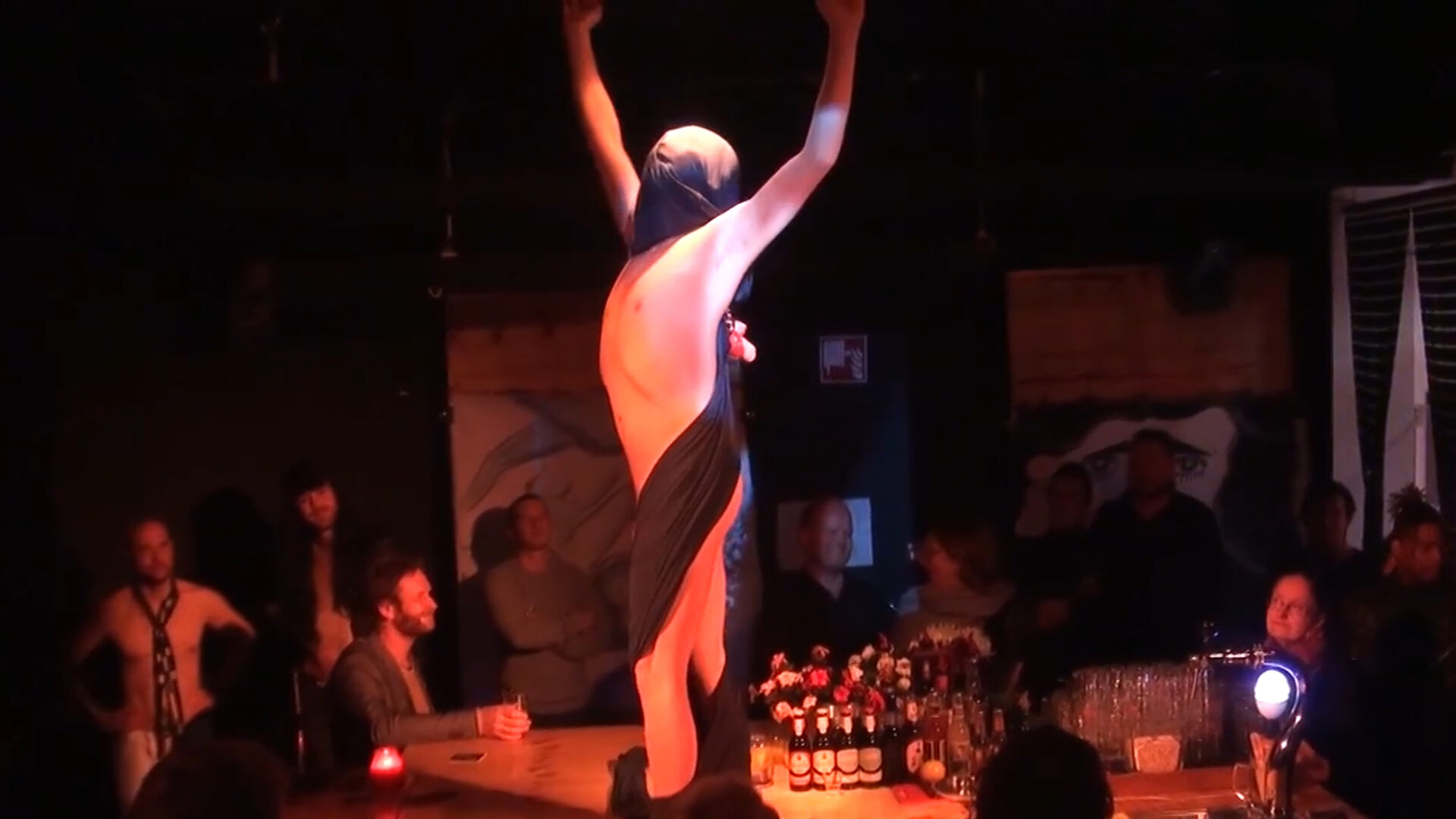
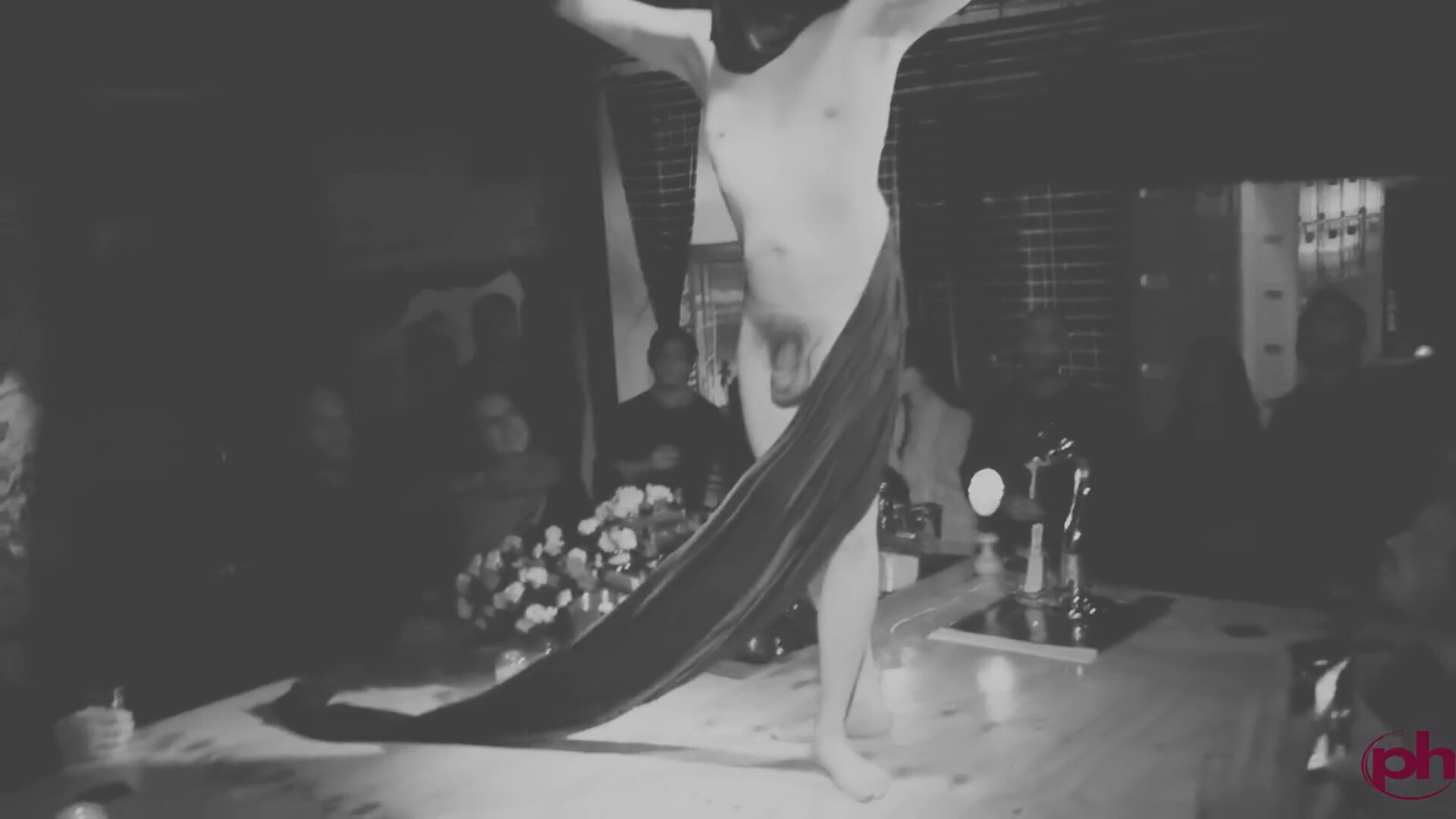
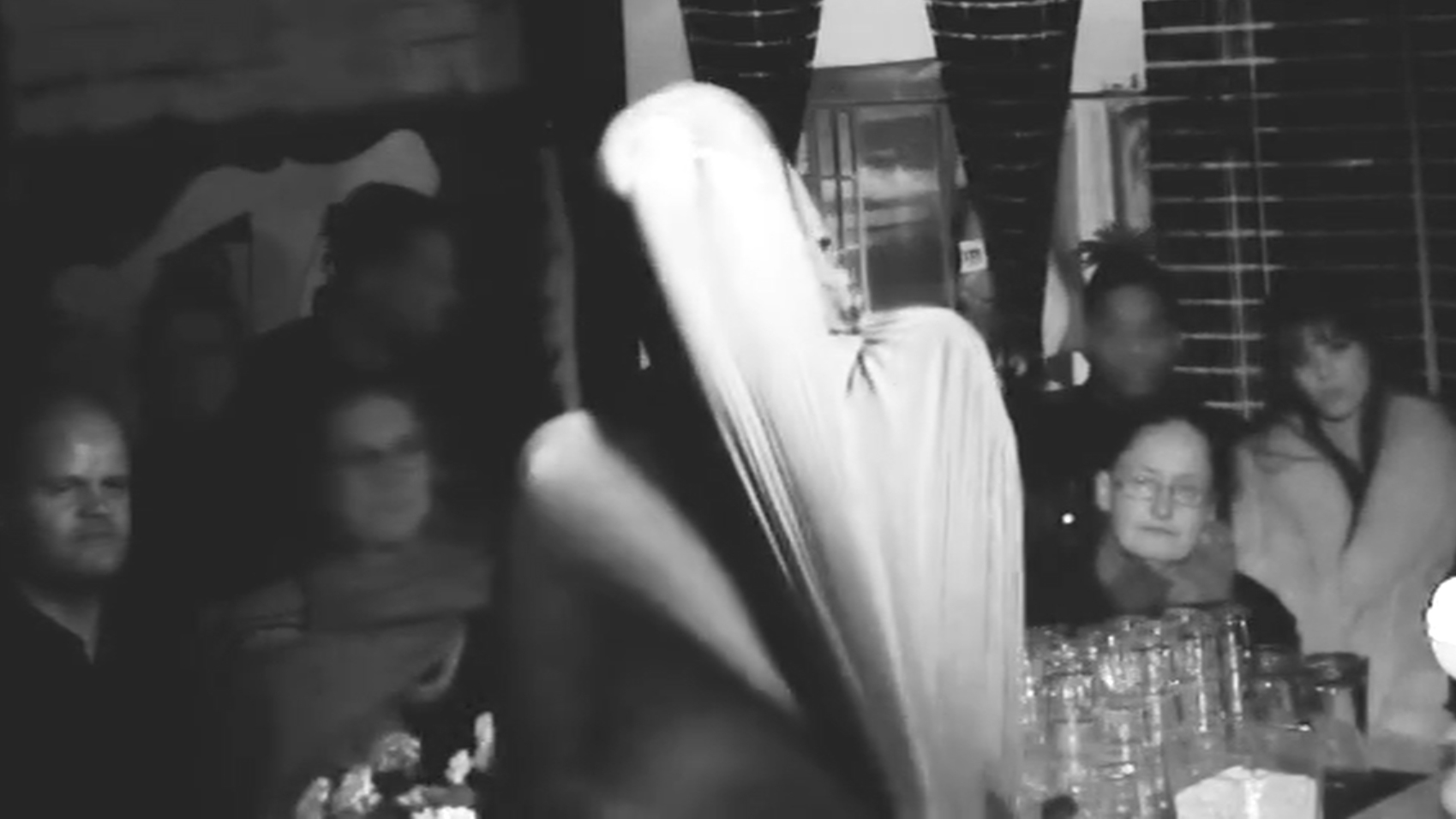
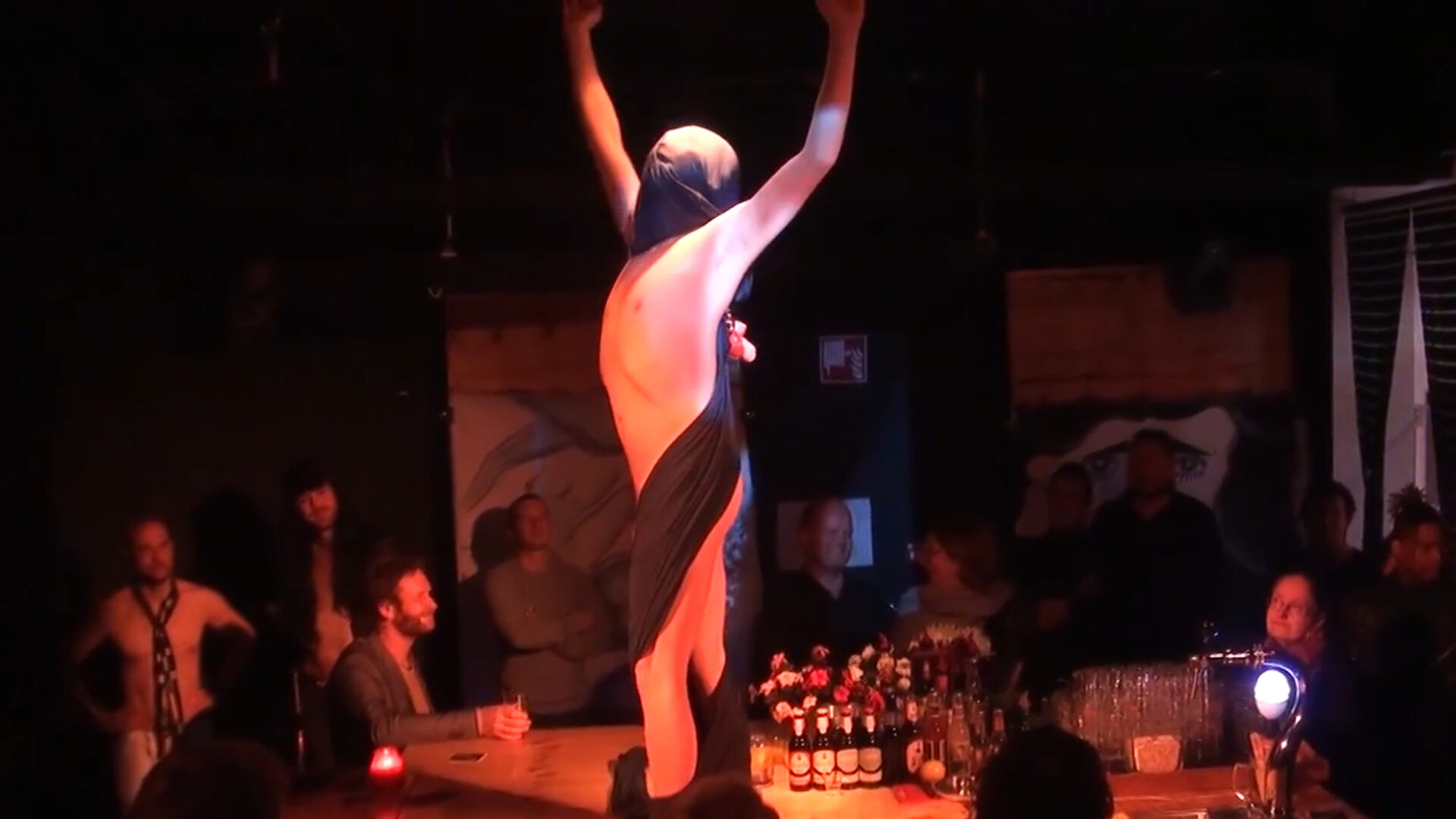
I enter the stage naked, like a simple figure. My head is covered by a transparent long cloth. The rest of my body remains visible. This image recalls Adam and Eve in the garden, both innocent and exposed.
The cloth has two openings, one at each end. Through these openings, my head can move inside or outside. Therefore, I stand between visibility and concealment. The body is present, yet the face is veiled.
The Transparent Cloth as Passage
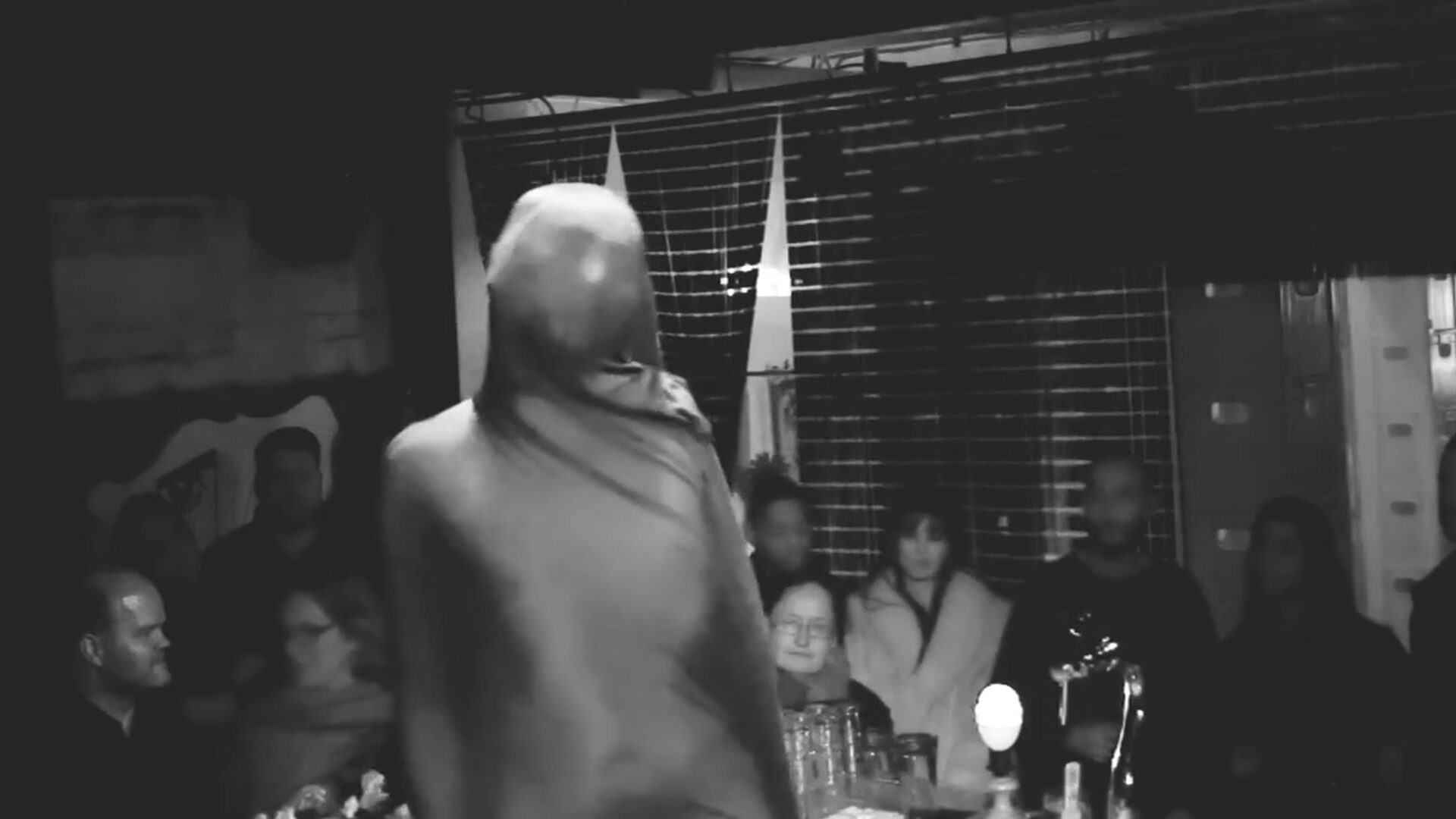
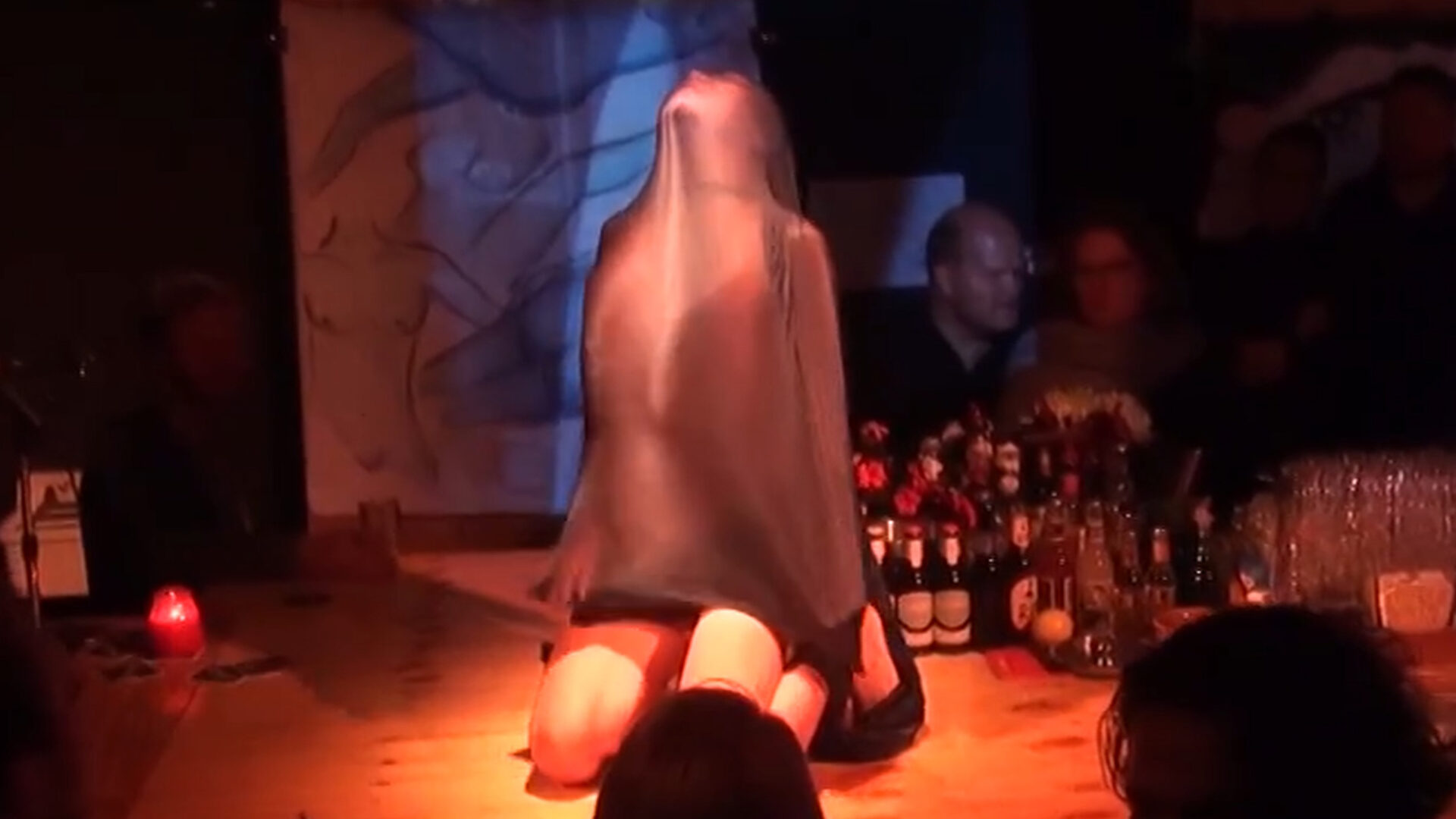
The transparent cloth functions as both garment and space. It is not a simple costume. Instead, it becomes a tunnel or narrow corridor. I can enter it fully or partly, shifting my position.
The cloth suggests a passage between states. One end leads inward, into darkness. The other leads outward, back into the light of the stage. This structure supports the spiritual journey within the piece.
Eden: Nakedness Without Narrative
At the start, the scene suggests Eden. My naked body stands without props, ornaments, or added symbols. The head covering allows a slight distance from the audience. It signals that something is about to change.
Eden here is not a story with characters. It is a condition of being seen, before clear roles appear. The space is quiet, and actions are minimal. The focus stays on breath, posture, and the simple fact of presence.
Moving into Hedon
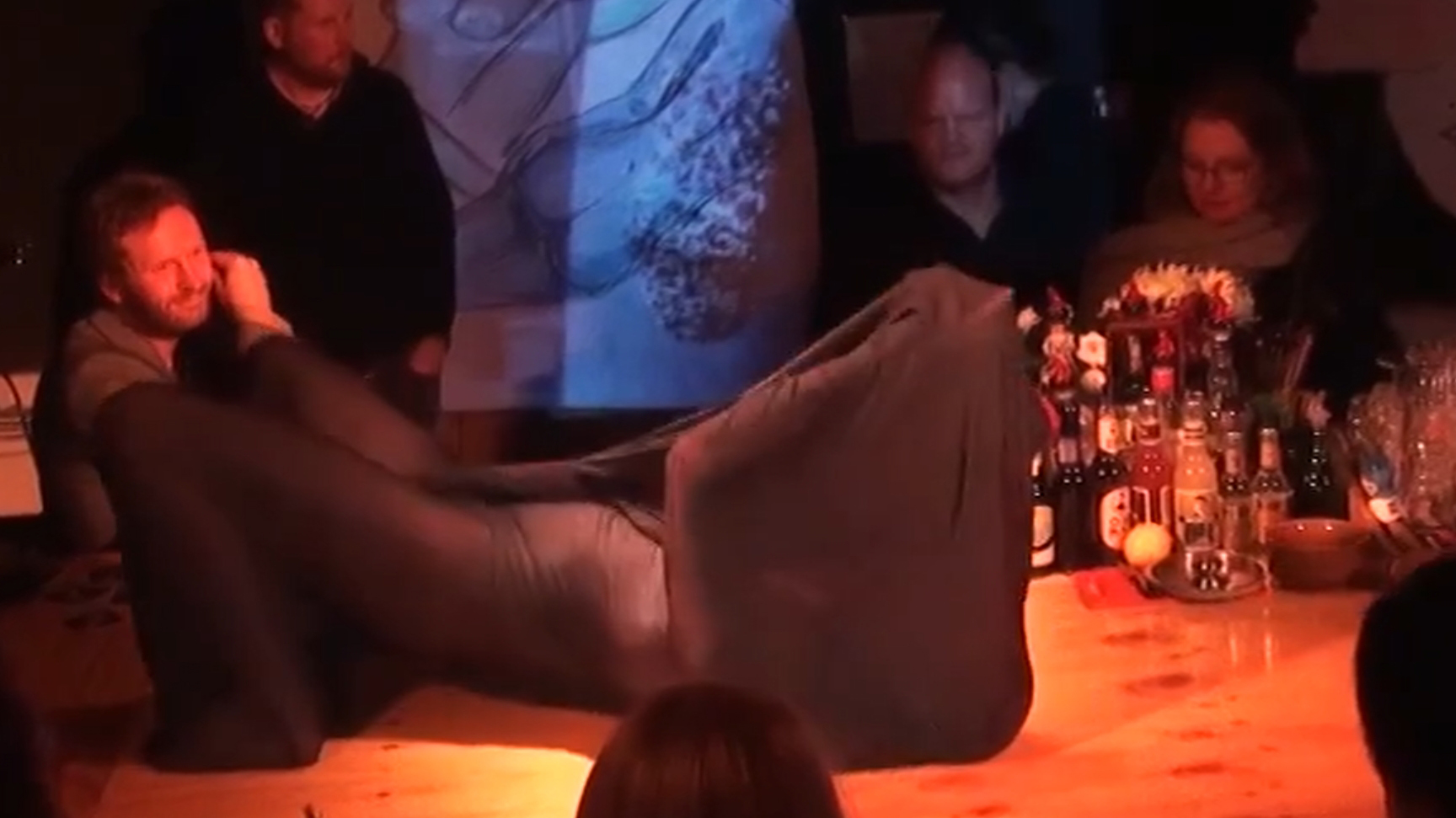
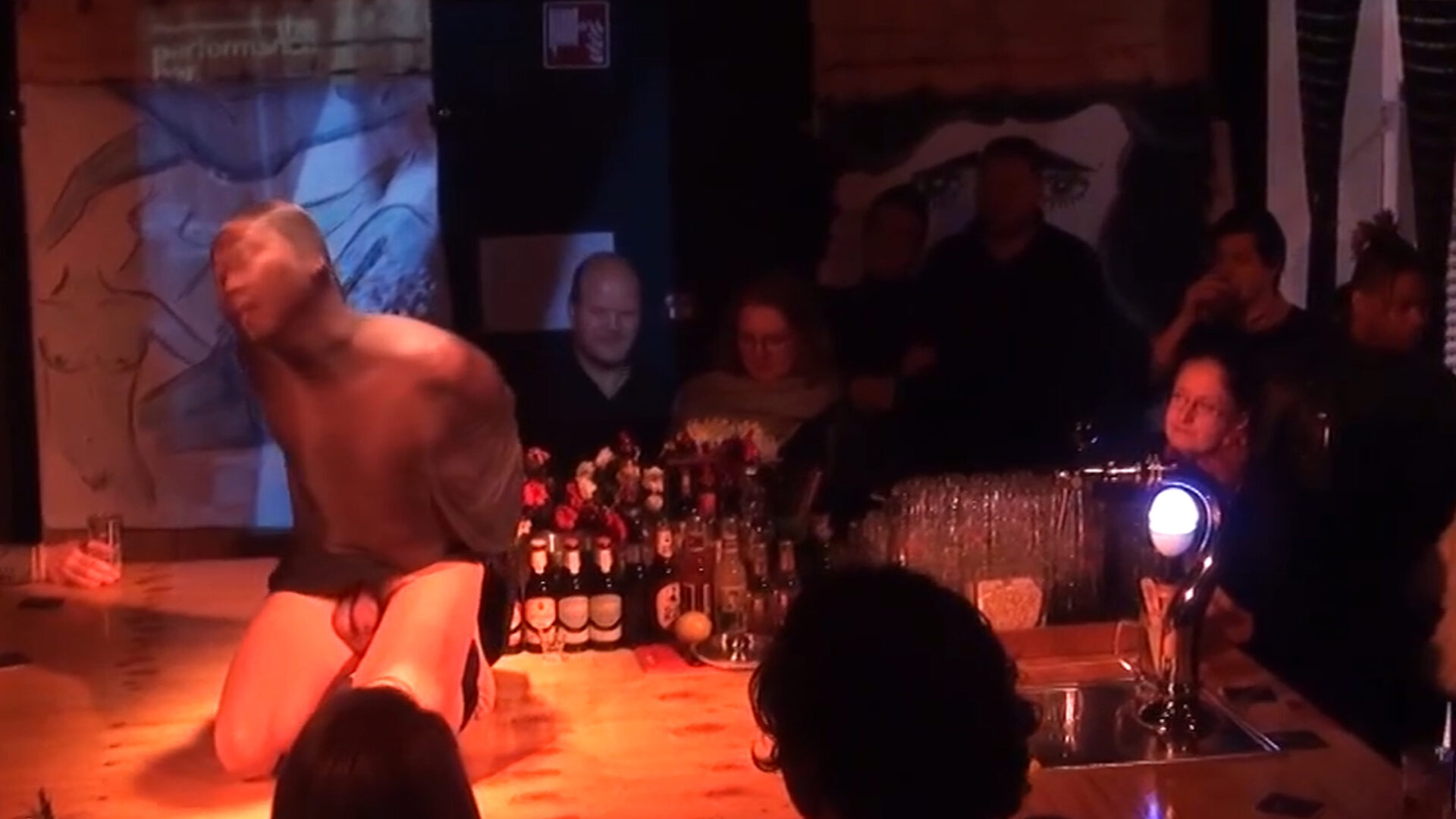
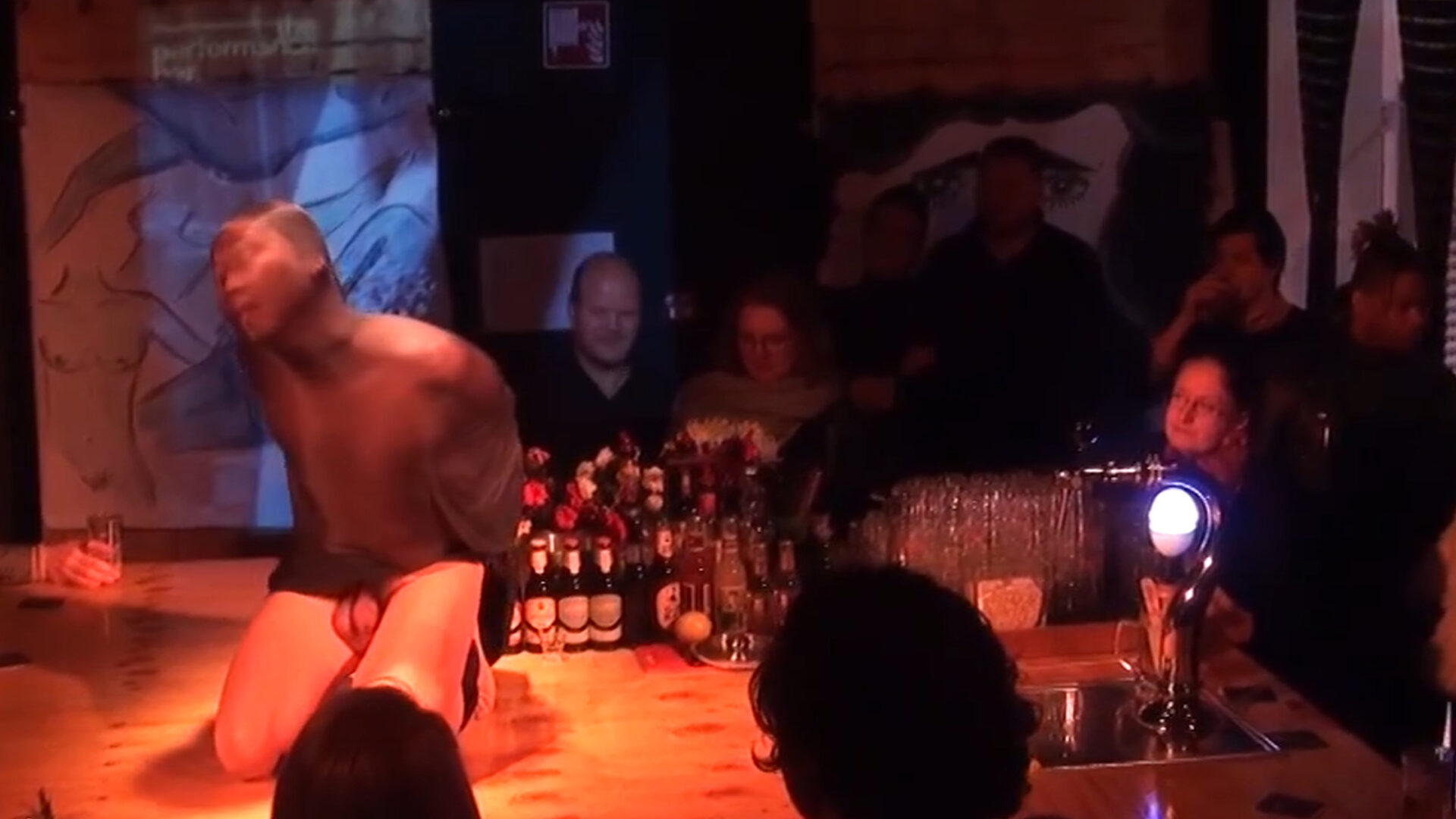
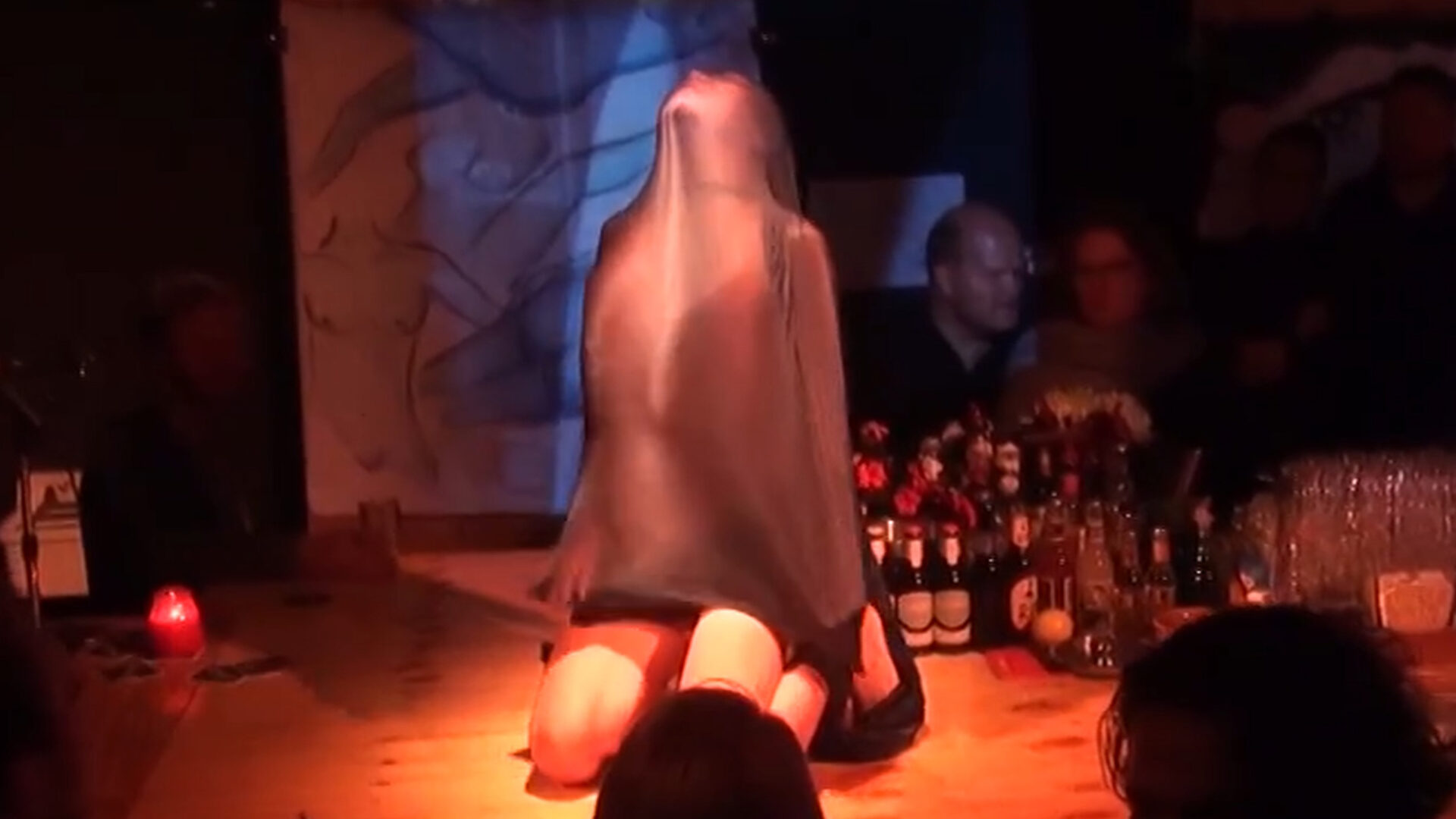
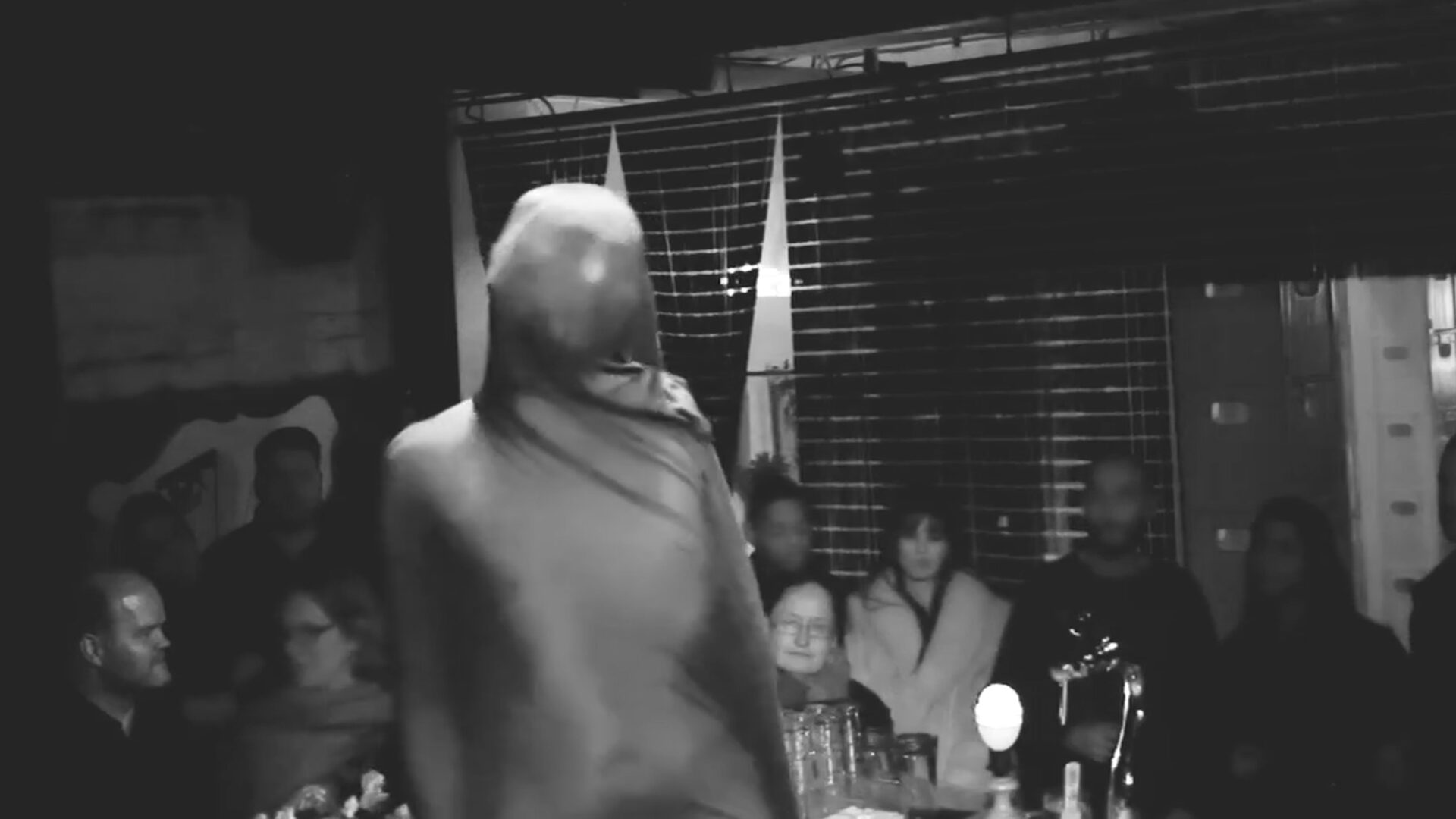
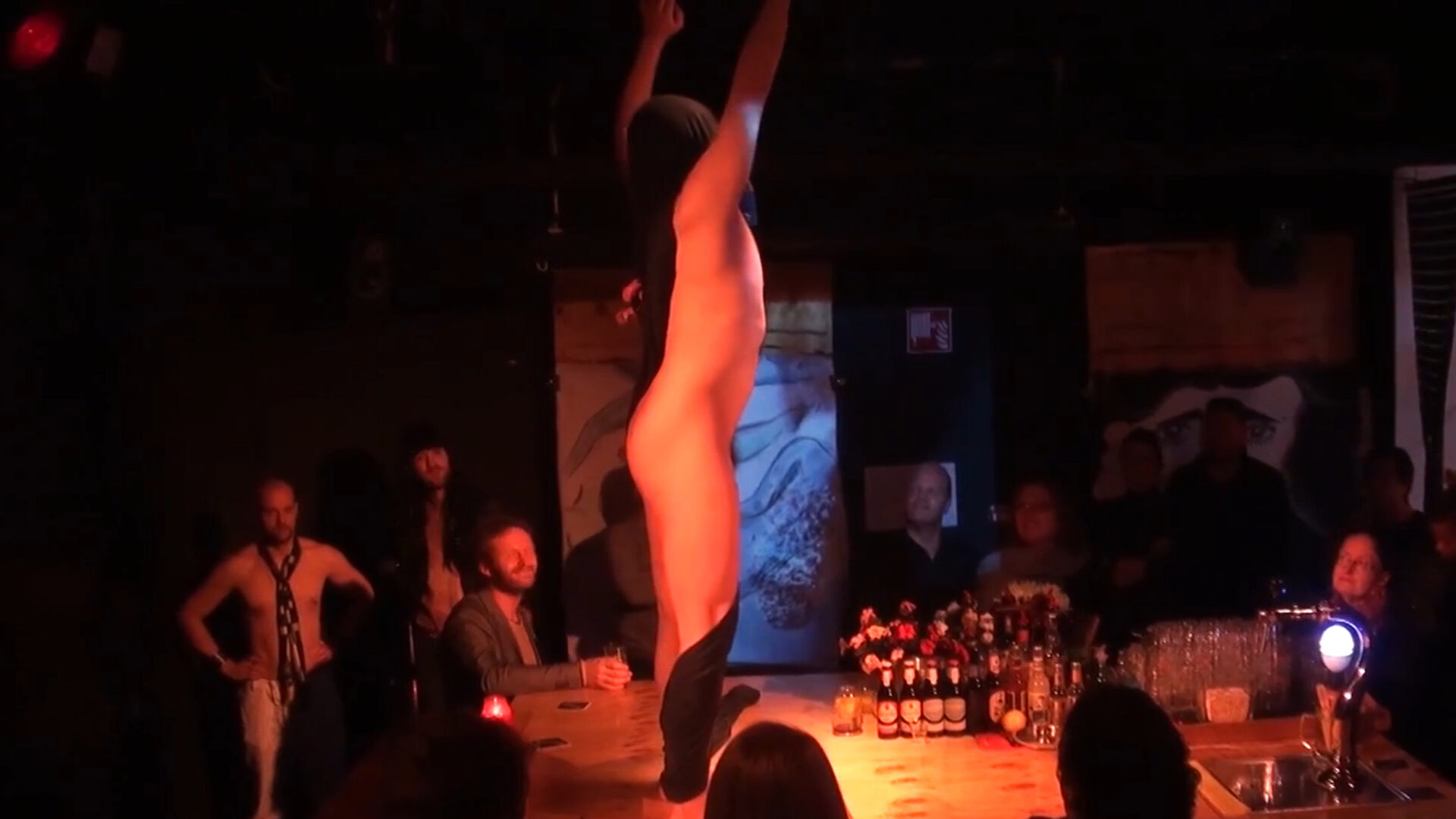
Then I move fully into the cloth. I bring my entire body inside the fabric tunnel. Once there, my movement becomes restricted. The cloth turns into a tight, dark container.
This is the phase I call Hedon. Here, desire and limitation meet. The body searches for comfort, space, and sensation. Yet it remains held and confined.

Hedon as Confinement of Desire
In common language, "hedon" recalls pleasure and indulgence. In the performance, this phase is not simply joyful. Inside the dark fabric, I have less freedom. I feel the tension between wanting more and meeting resistance.
This conflict reflects many spiritual questions. The body wants to move, but the space does not allow it. Desire pushes against the limits of the cloth. Hedon becomes a study of craving inside a narrow room.
Cleansing with White Light
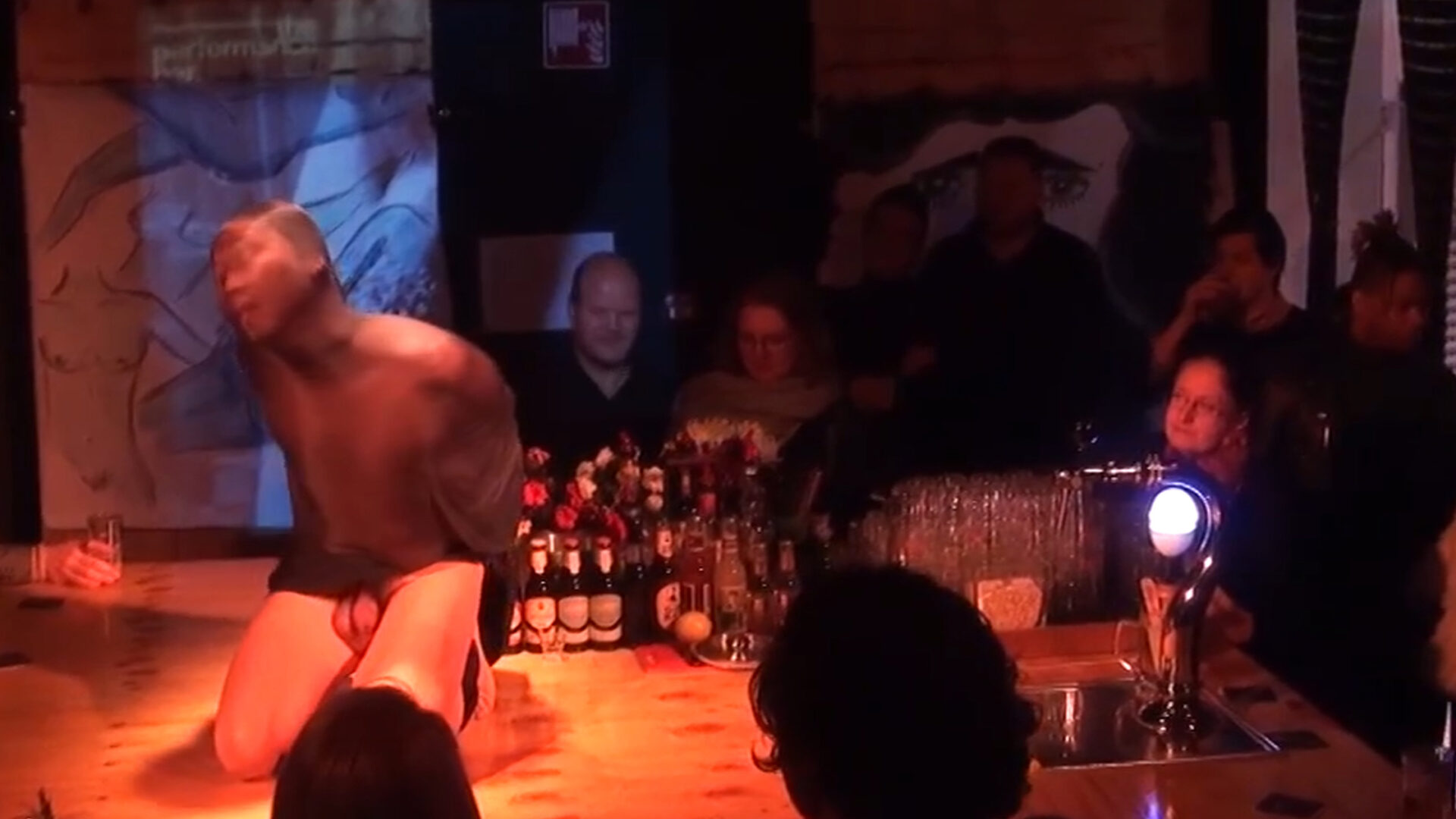
Within this enclosed state, a new action appears. I cleanse my body with white light. The exact source may vary, yet the gesture remains clear. I pass the light over my skin, as if washing it.
White light here stands for a simple idea of cleansing. It does not belong to a single religion. Instead, it refers to many rituals of washing, blessing, and renewal. The body seeks to free itself from unnamed stains.
Ritual of Purification
This cleansing is slow and deliberate. Each movement marks an attempt to wipe something away. However, the cloth still surrounds me. I remain in the dark enclosure of Hedon.
The ritual has no spoken prayer. The prayer exists in action. The body and light form a kind of silent liturgy. The audience witnesses a private ritual performed in public space.
Struggle Toward the Other Side
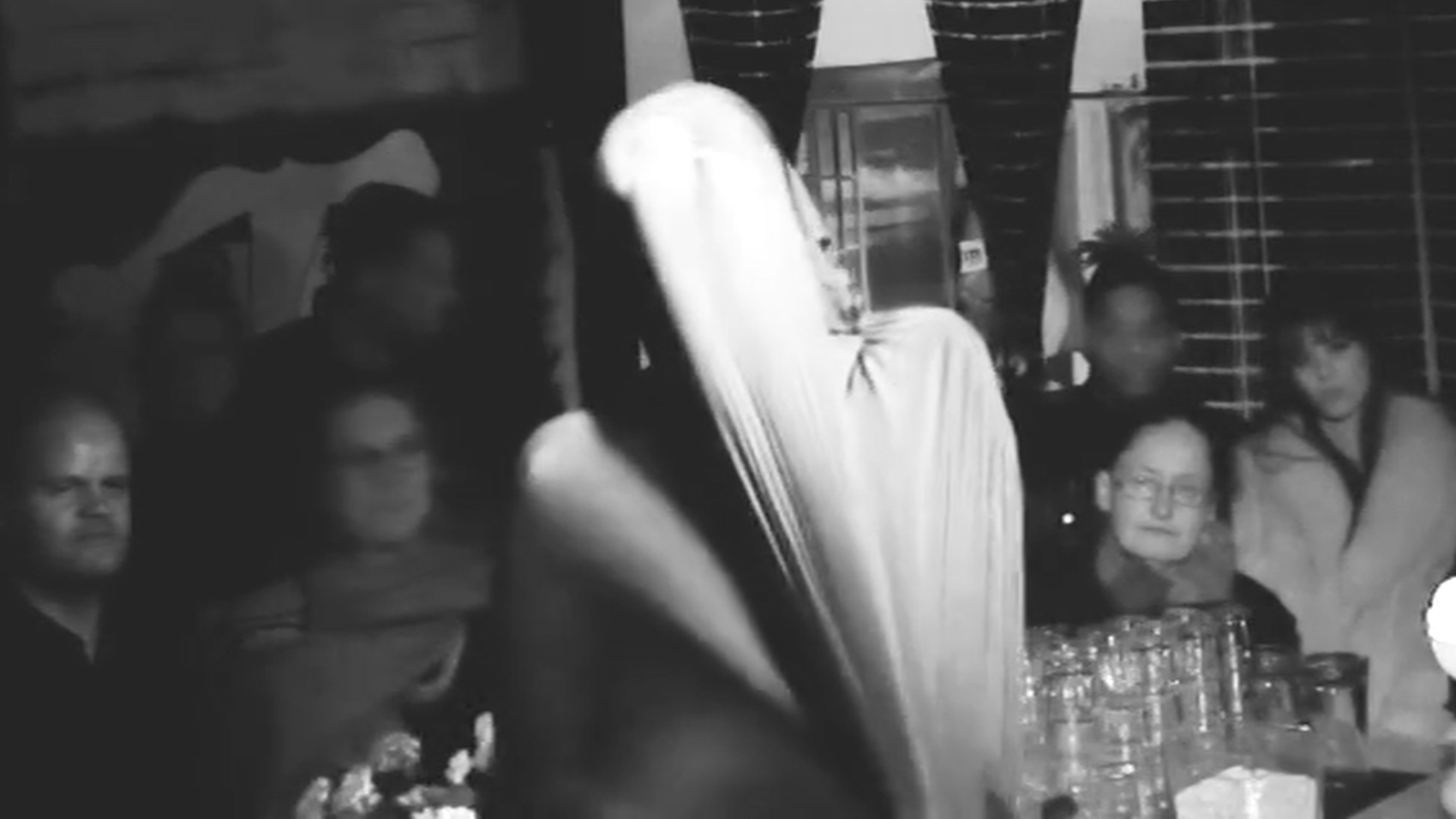
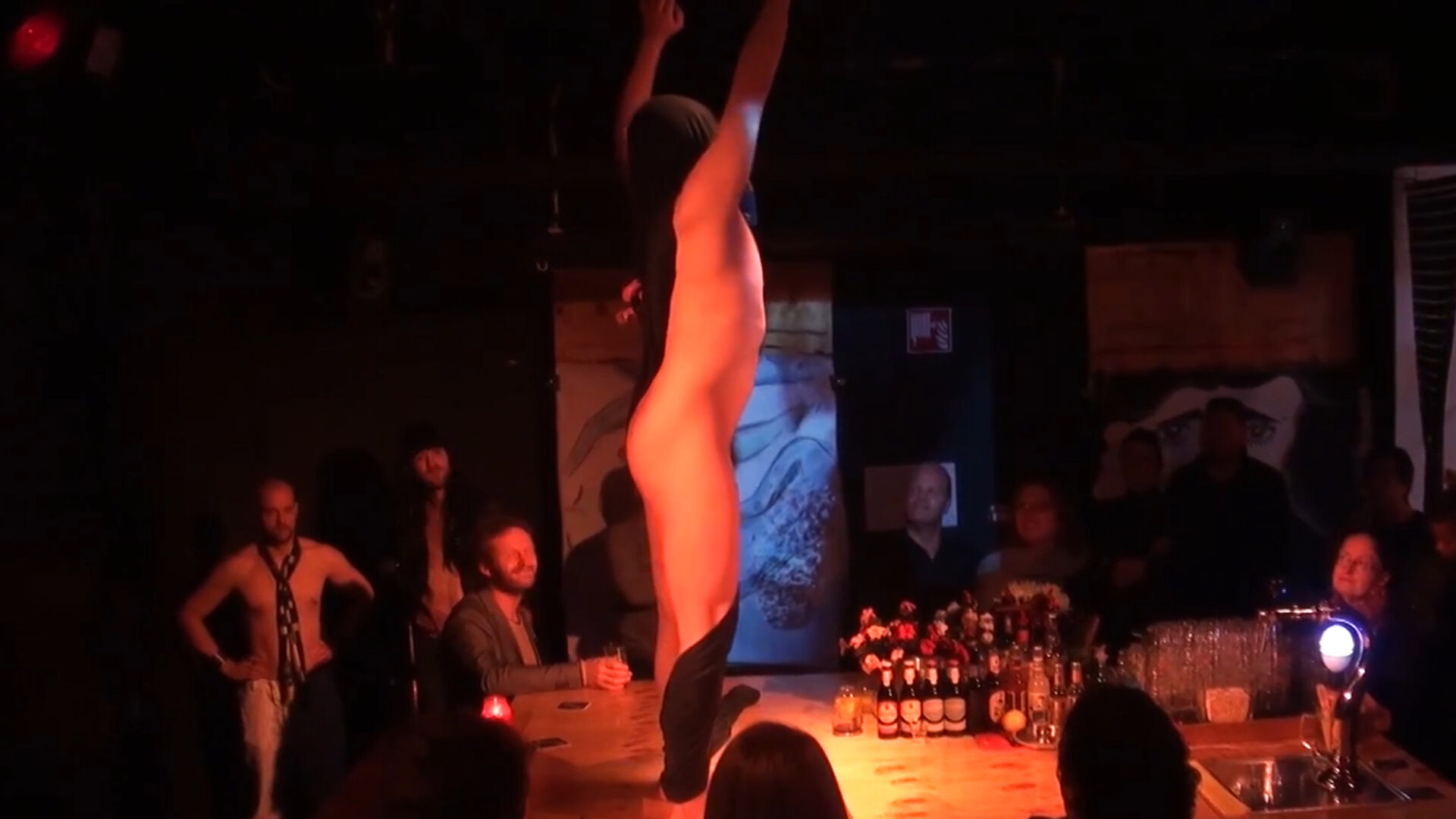
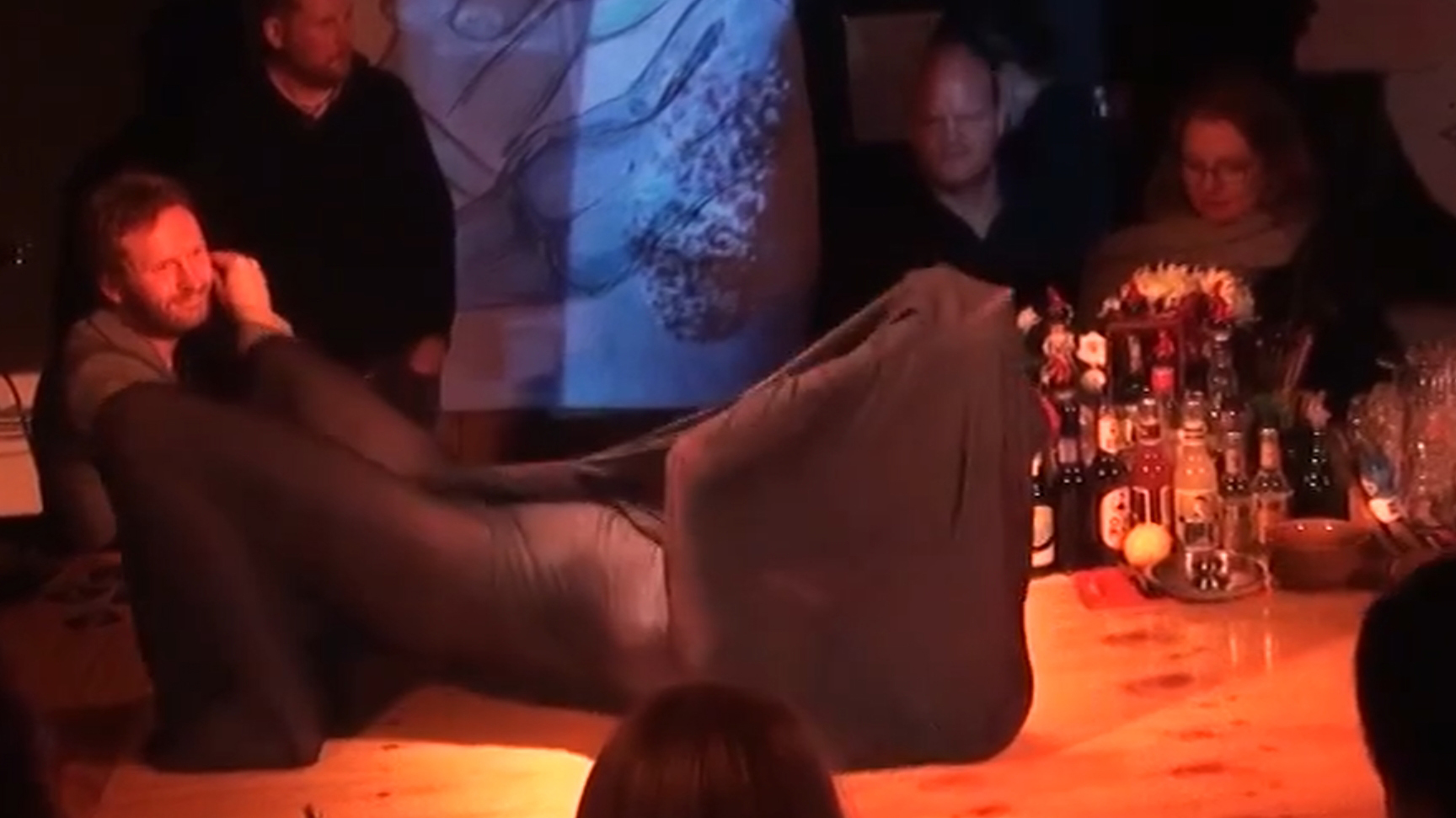
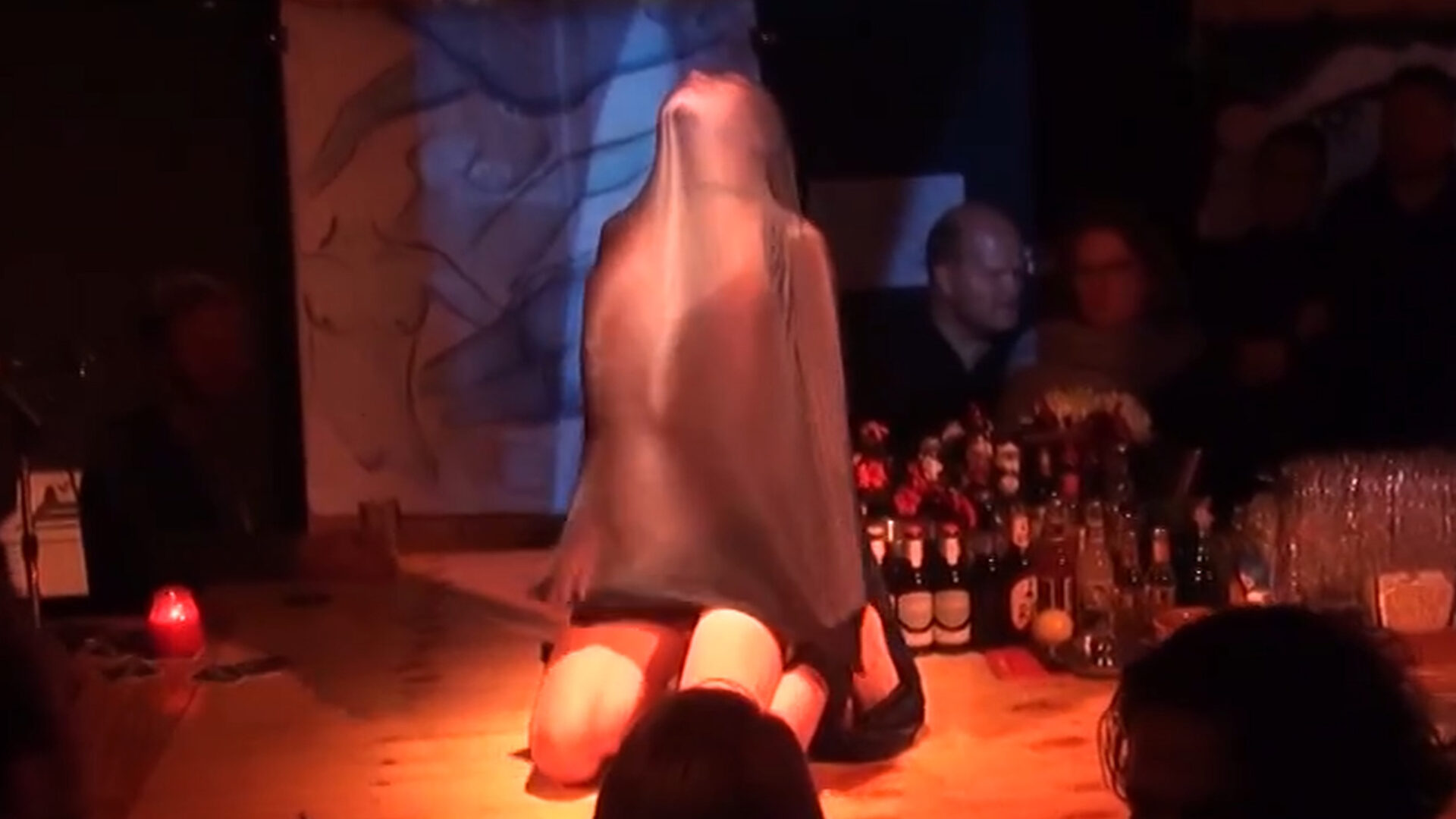
After cleansing, I begin to search for a way out. I wrestle with the cloth, feeling for the opening. The struggle is physical, not symbolic alone. I push, twist, and reach toward the other end.
This effort marks the passage from Hedon toward Heaven. The journey is not smooth. It requires force and persistence. The body must work to leave its confined state.
Transition as Spiritual Labor
Spiritual change often sounds abstract in theory. In hedon/eden/heaven, it is a physical task. The cloth resists, and my body reacts. The passage becomes a form of spiritual labor.
This labor does not promise perfection. It only offers another condition on the other side. The audience sees the difficulty of leaving one state for another. The performance gives this process a concrete form.
Emerging into Heaven
Eventually, I find my way out of the cloth. I step back into open space on the stage. Now, I stand naked again, fully visible. The head is no longer covered.
This phase I call Heaven. It is not a place above the world. It is a state of exposed calm after struggle. The body is present, cleansed, and still.
Heaven as a Clean Slate
In this last phase, I am "clean of sins" within the logic of the piece. The white light has passed over the body. The struggle through the cloth has taken place. Now, there is a pause.
Heaven here is a moment of quiet, not triumph. It does not erase the earlier stages. Instead, it holds them within a new clarity. The body remembers Hedon and Eden, even while standing in this later state.
Body, Cloth, and Light as Main Materials
The materials in hedon/eden/heaven are simple: body, cloth, and light. There are no complex objects or devices. This simplicity keeps the focus on action and state.
The body carries cultural and spiritual stories. The cloth shapes space and movement. Light marks cleansing and visibility. Together, they create a layered yet clear structure.
Spiritualism Through Physical Stages
The performance approaches spiritualism without preaching. It does not tell the audience what to believe. Instead, it presents three states: Eden, Hedon, and Heaven. These states unfold through concrete actions.
Viewers may recognize their own experiences in these stages. They may feel close to one phase more than another. The piece leaves room for personal reflection. It offers a frame, not a solution.
Experience and Interpretation
The journey is both visual and emotional. They see a naked body, a shifting cloth, and the play of light. They also sense the tension, effort, and release.
Each viewer brings their own history of faith, doubt, or indifference. Therefore, meanings will differ. Some may read the work as a spiritual allegory. Others may see a study of the body under pressure.
Relationship to My Wider Practice
Hedon/Eden/Heaven connects to my broader performance practice. In many works, I explore the limits and possibilities of the body. I often use simple materials and clear structures.
I am interested in how spiritual ideas appear in physical form. Rather than speaking about belief, I work through action. The stage becomes a site for testing inner states in public view.
Performance Art and Spiritual Inquiry
Within contemporary performance art, spiritual themes often return. Artists revisit ritual, devotion, and doubt in new ways. hedon/eden/heaven is part of this ongoing conversation.
The piece uses minimal tools but addresses large questions. What is innocence today? How does desire feel inside limits? What might "heaven" mean when it is only a change of state? These questions remain open at the end.
Closing Thoughts
hedon/eden/heaven offers a journey through three linked states of being. Eden suggests early innocence. Hedon shows desire within constraint. Heaven appears as a brief, exposed clarity after effort and cleansing.
The performance does not close the spiritual questions it raises. Instead, it leaves them active in the minds of viewers. The body, cloth, and light continue to resonate after the piece ends. In this way, the performance extends beyond the stage.