Incarnation
The work explores the body as a place of change. In the performance Incarnation, presented at Performance Bar in Rotterdam, I focus on spiritual presence through simple actions. The body becomes the main material, and the audience becomes part of the process.
Incarnation at Performance Bar
Incarnation was created for Performance Bar, a space known for experimental performance in Rotterdam. The venue allows close contact between audience and performer. Therefore, the performance unfolds in direct relation to the people present.
The city also shapes the work. Rotterdam carries a history of destruction and rebuilding. In this context, Incarnation deals with repair, loss, and new beginnings.
A Simple Beginning
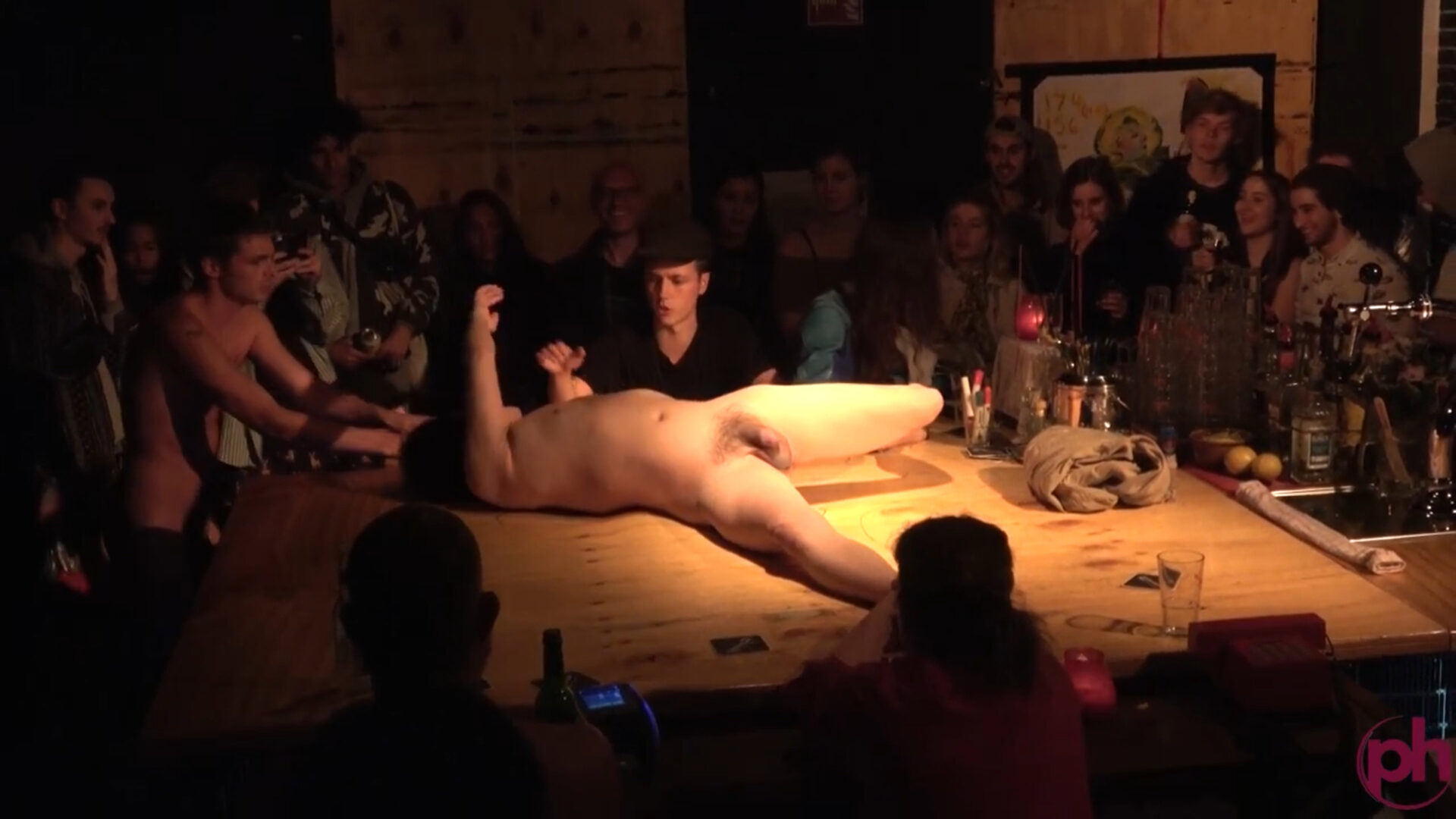
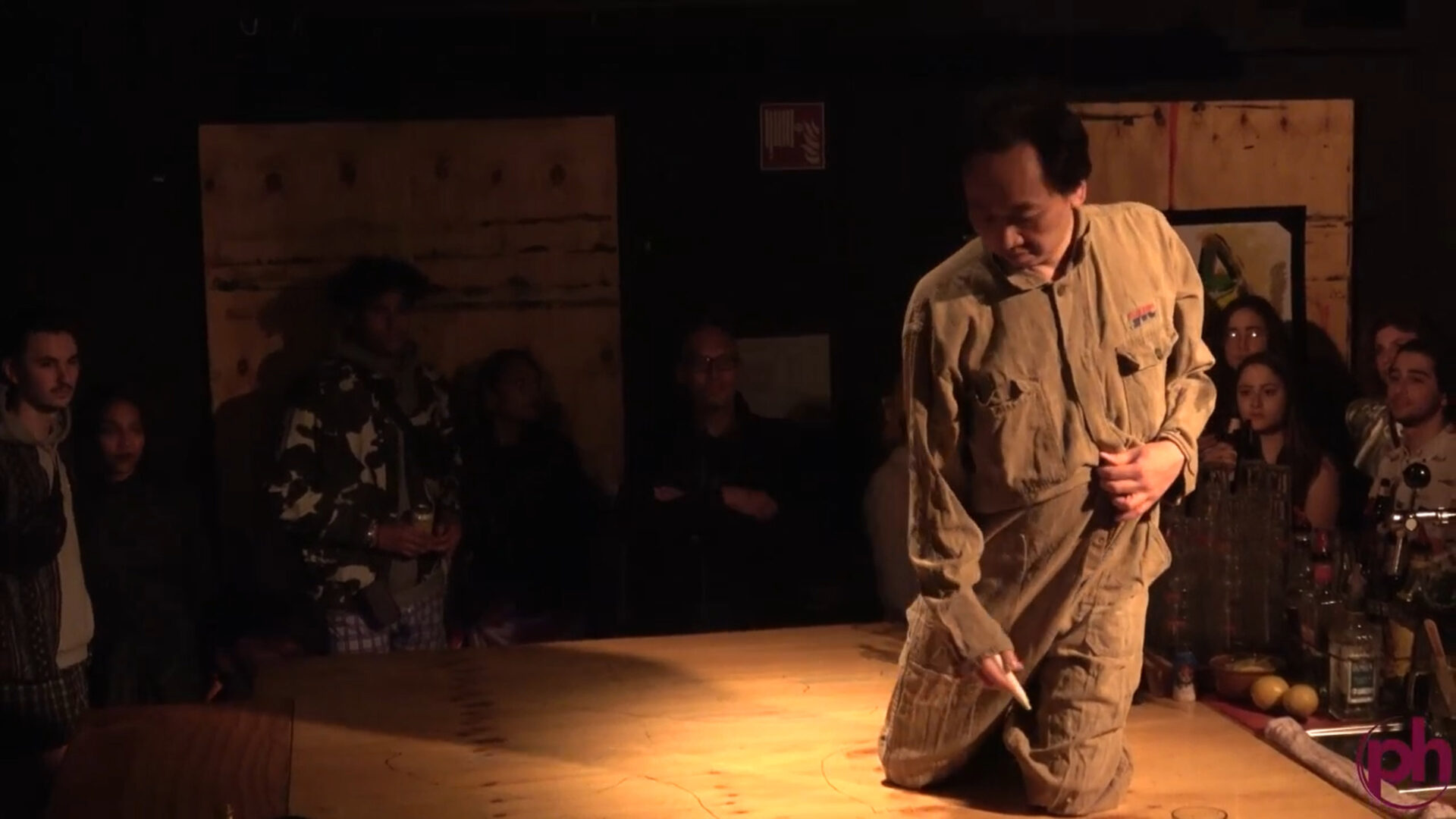
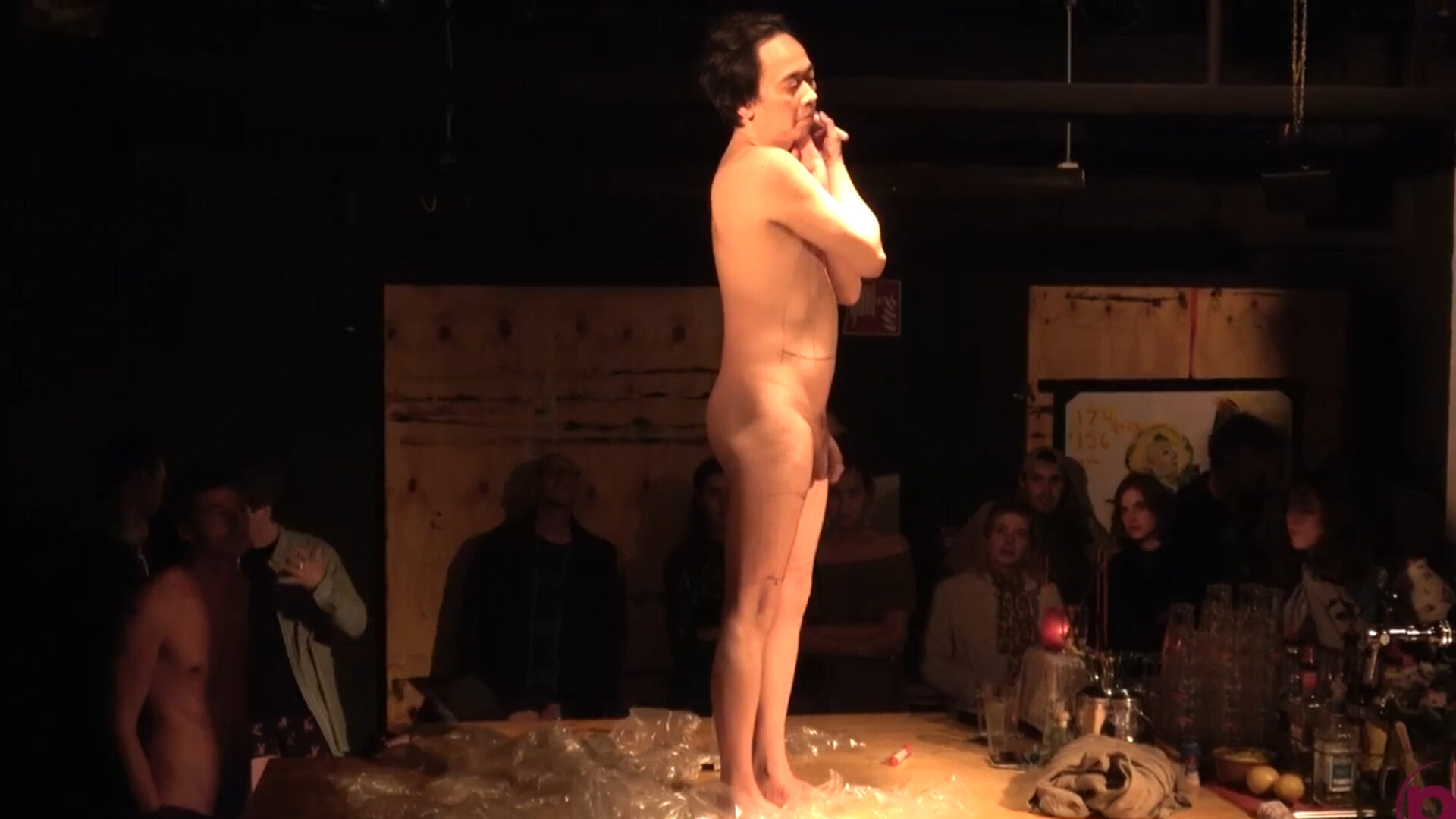
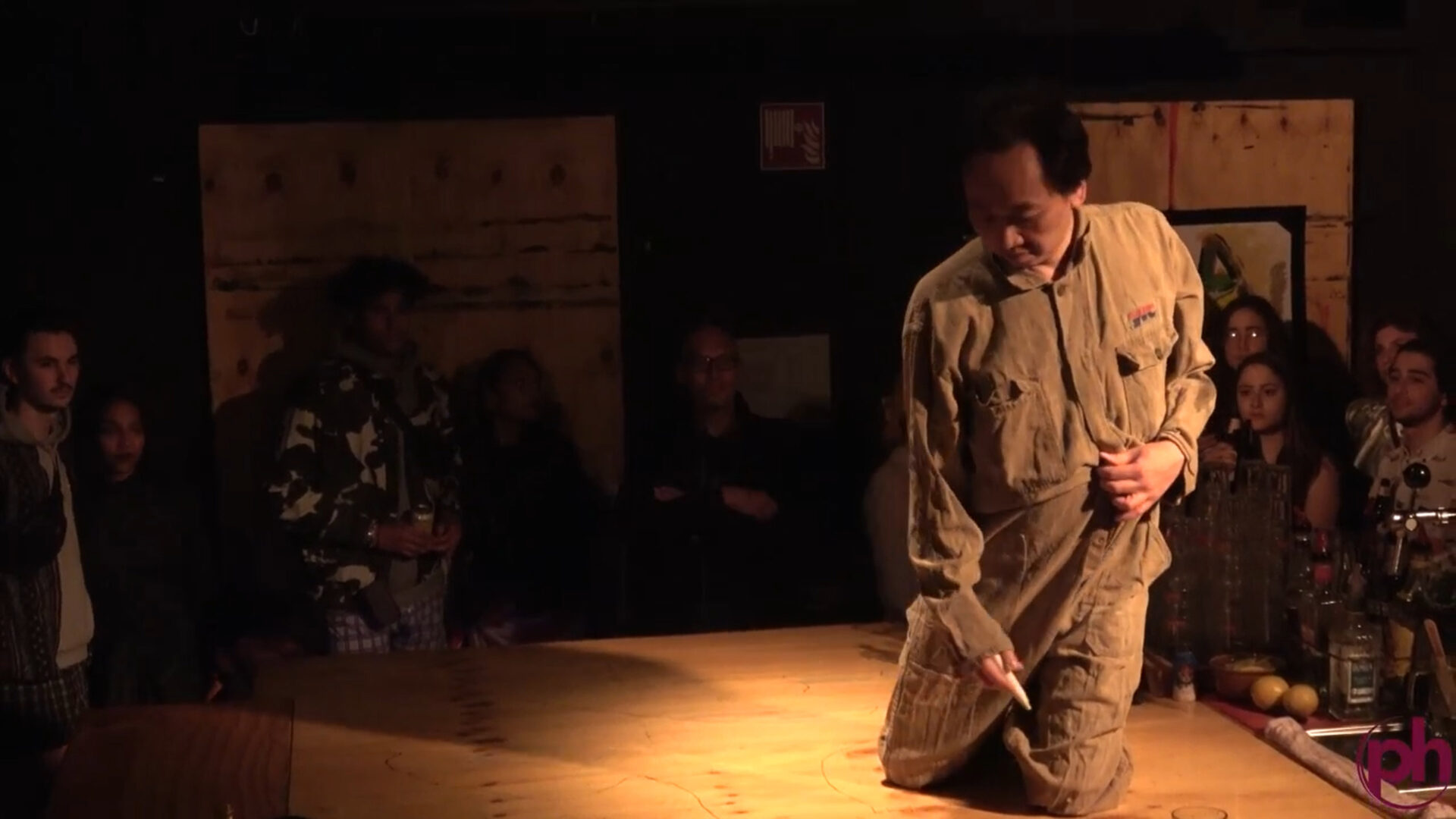
I enter the space wearing a work suit. This suggests function, labor, and daily identity. On the floor, someone draws the silhouette of my body. I add the sexual organs to this outline, making the image explicit and direct.
This first act creates a double body. One is lying on the floor as a drawing. The other stands present and breathing. Between these two, the performance starts to move.
From Outline to Body
The silhouette on the floor represents a fixed idea of the self. It is flat, clear, and easy to read. My live body, however, is unstable and changing. It can move, resist, and respond.
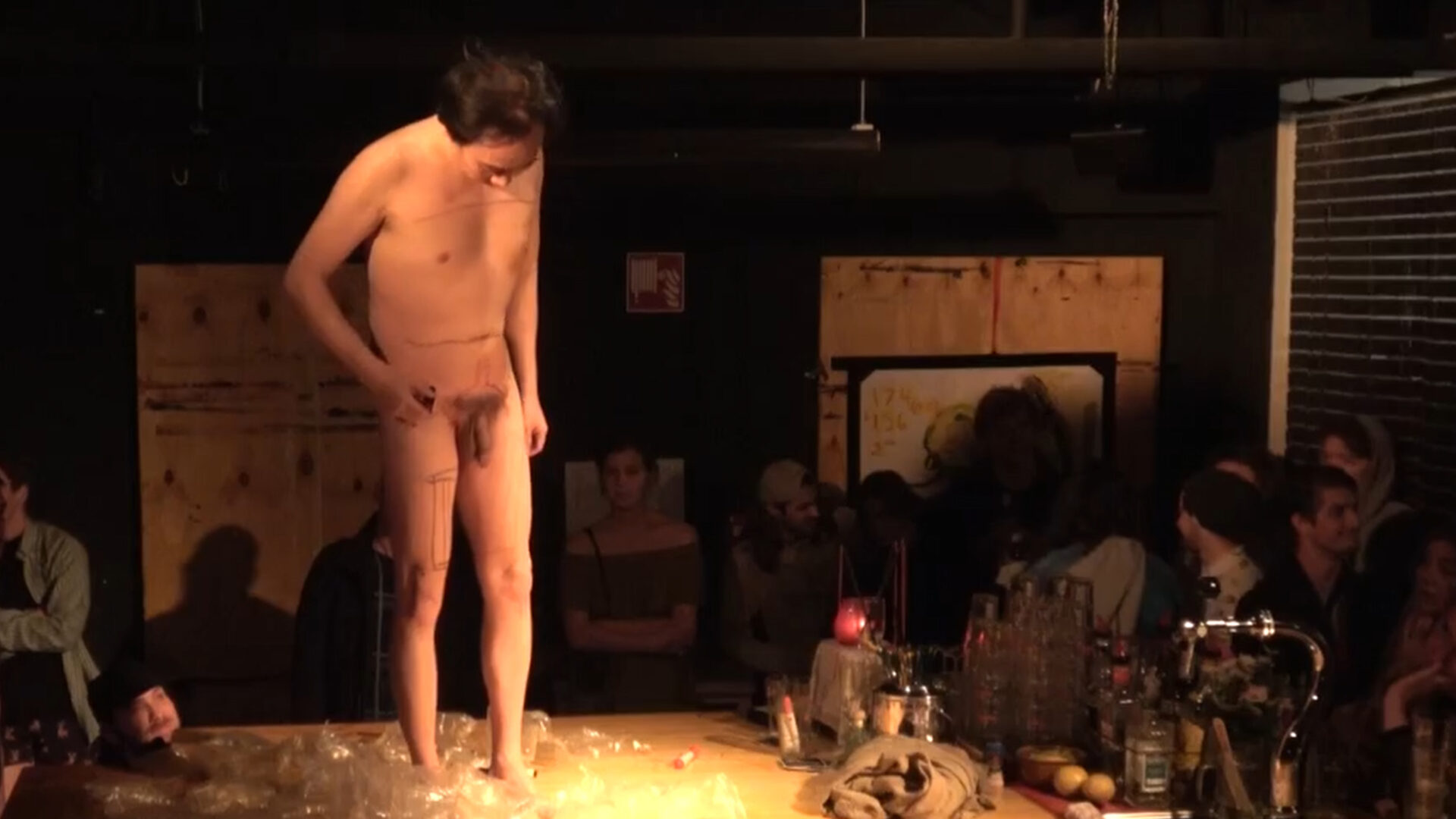
By marking the genitals on the floor figure, I bring sexuality into the open. It is not hidden or stylized. Instead, it stands as a fact. This act questions how society maps desire and identity onto the body.
Undressing and Exposure
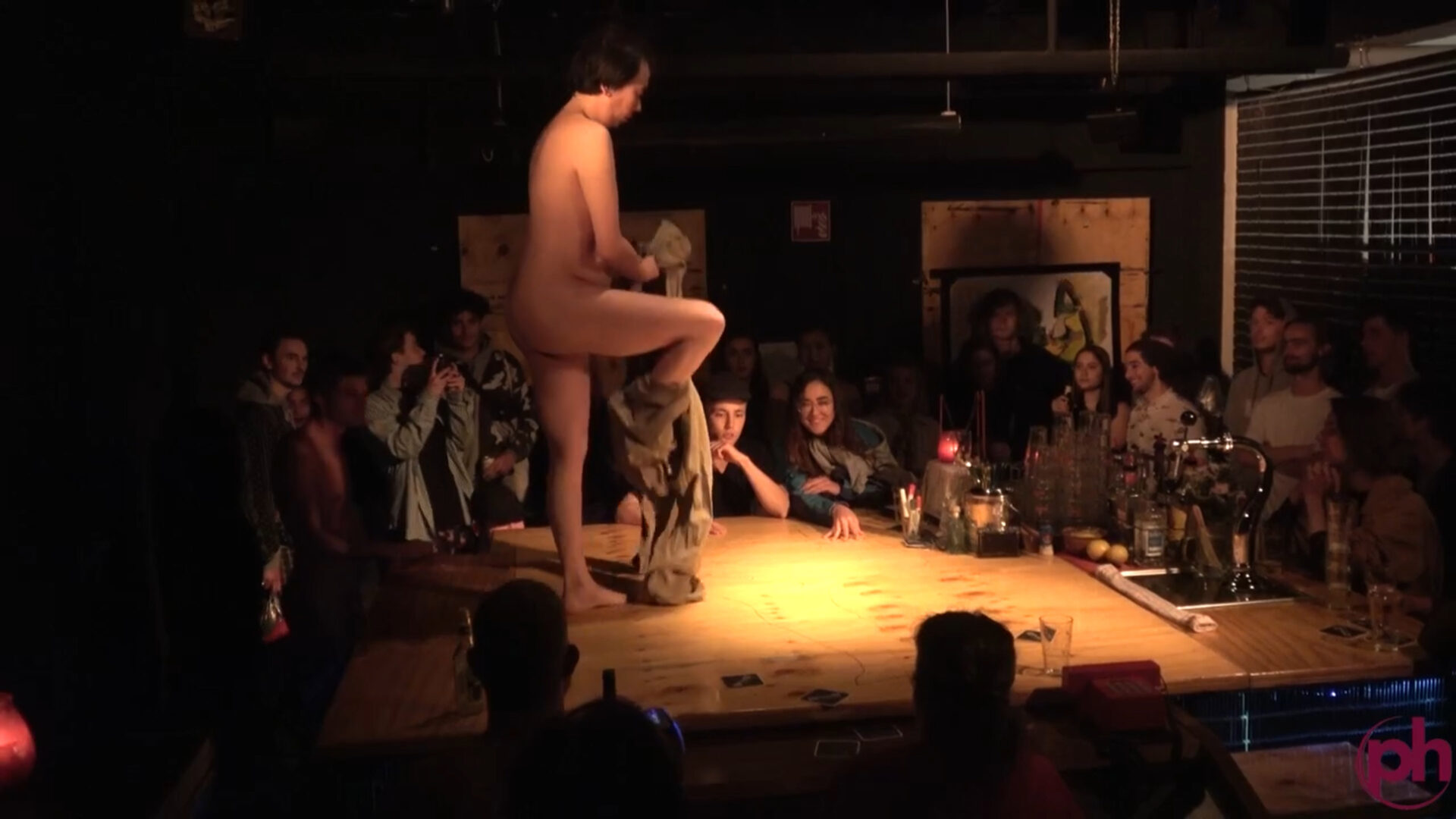
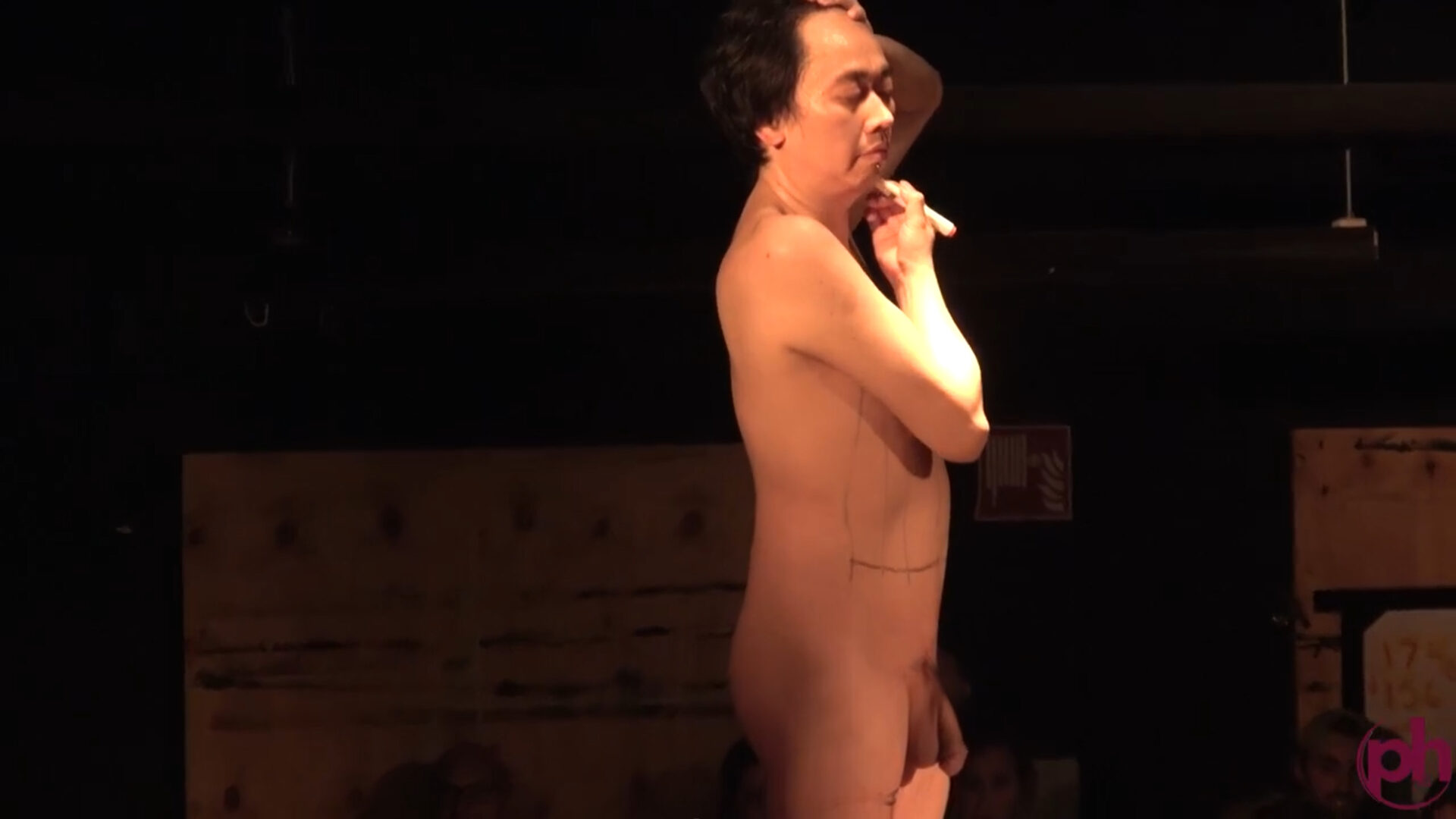
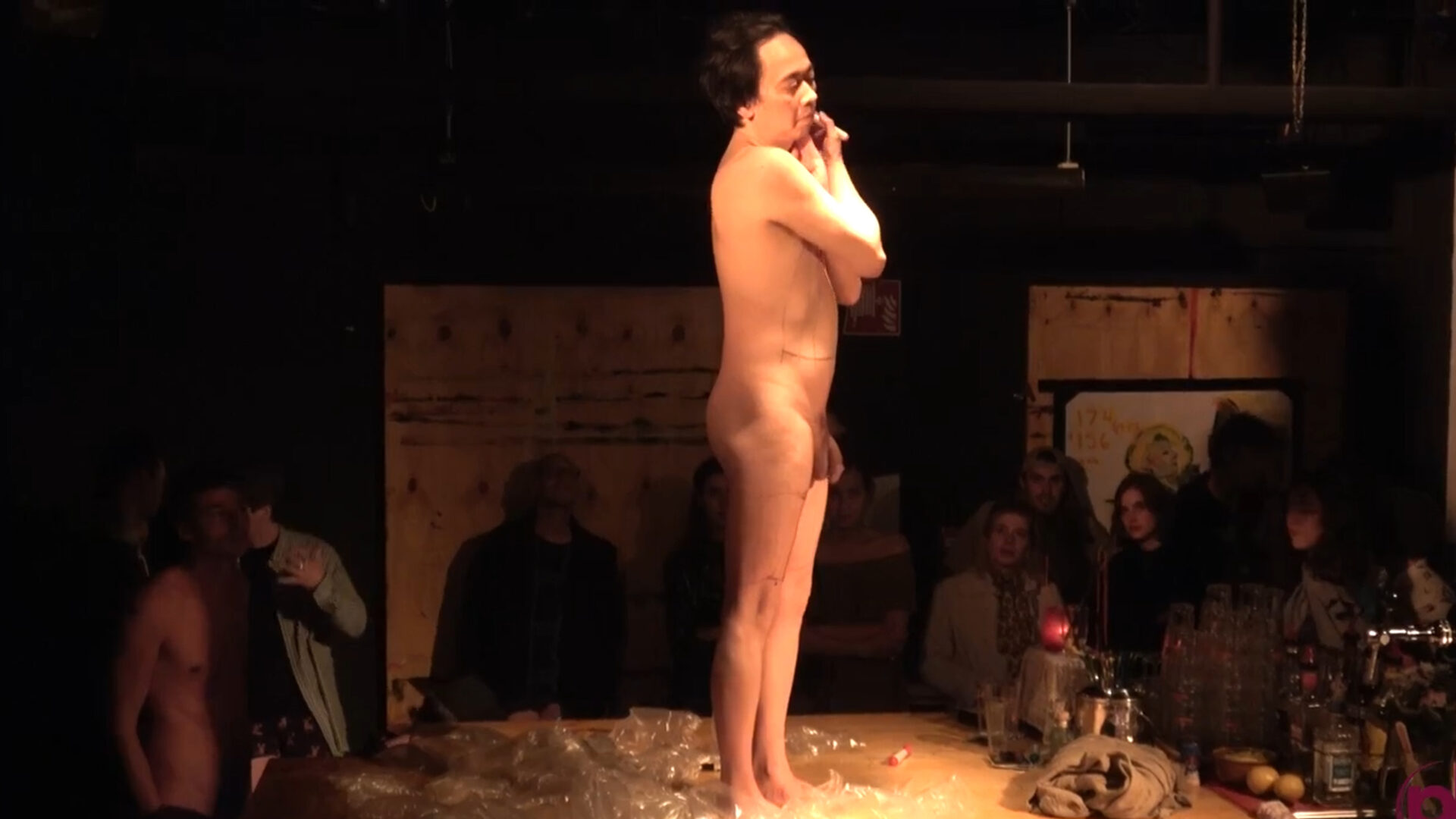
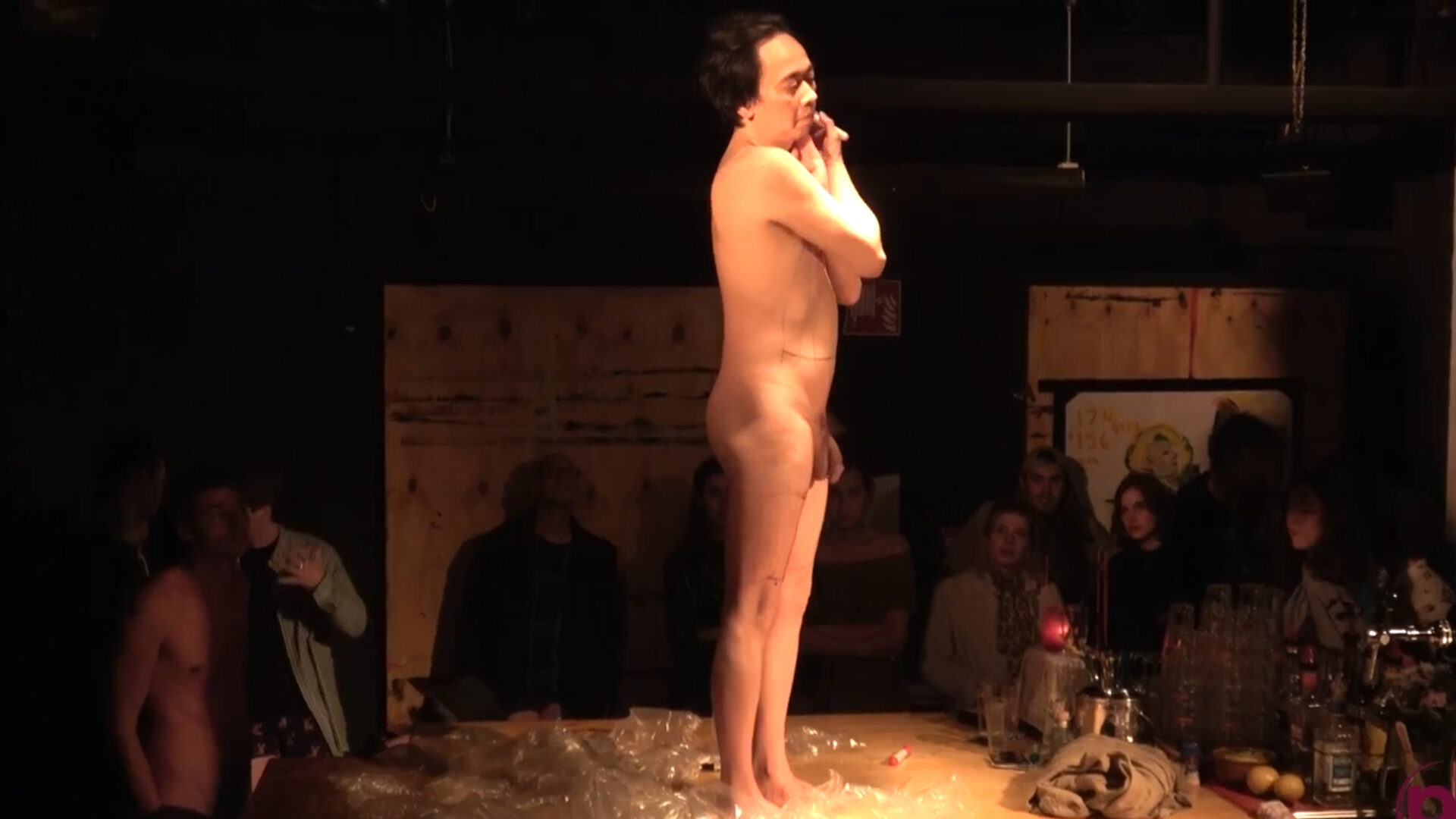
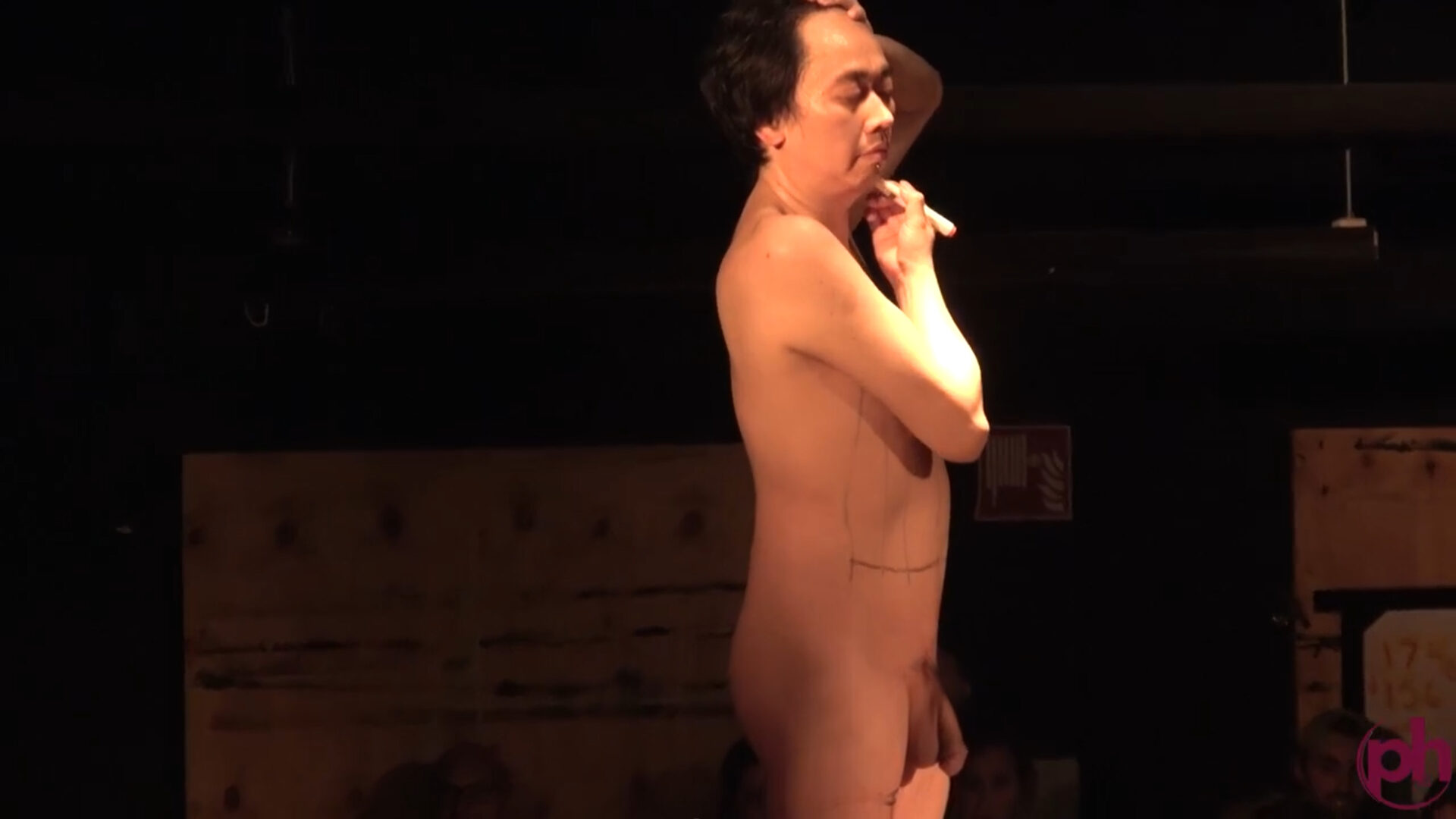
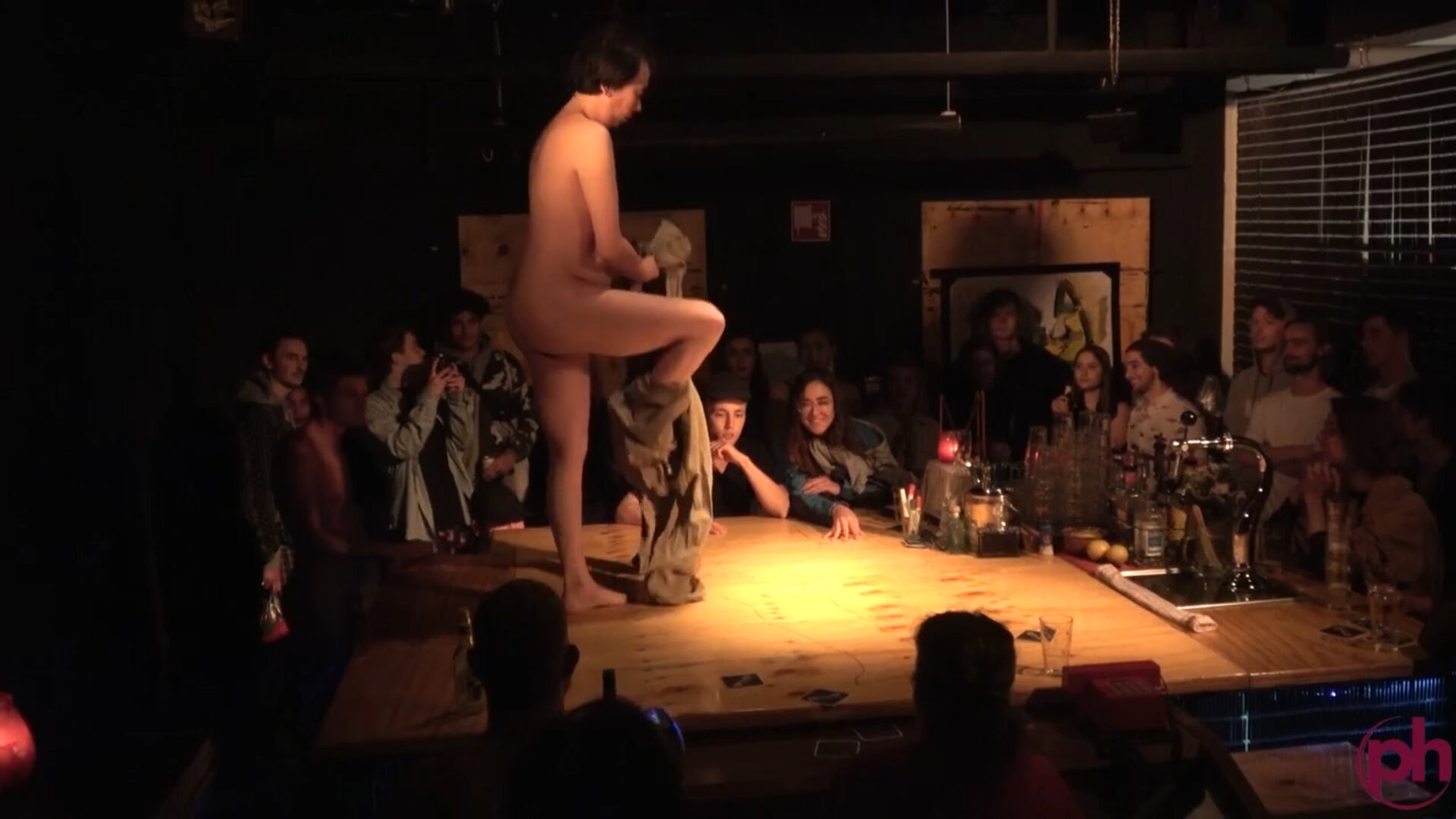
I remove the work suit and stand naked in front of the audience. The action is simple, without drama. Yet it changes the situation completely. Social identity falls away, and the body becomes central.
Nudity here is not about shock. It is about exposure as a tool for awareness. The audience must face my body and their own reaction to it. In this shared attention, a new kind of focus emerges.
Inviting the Audience to Hold
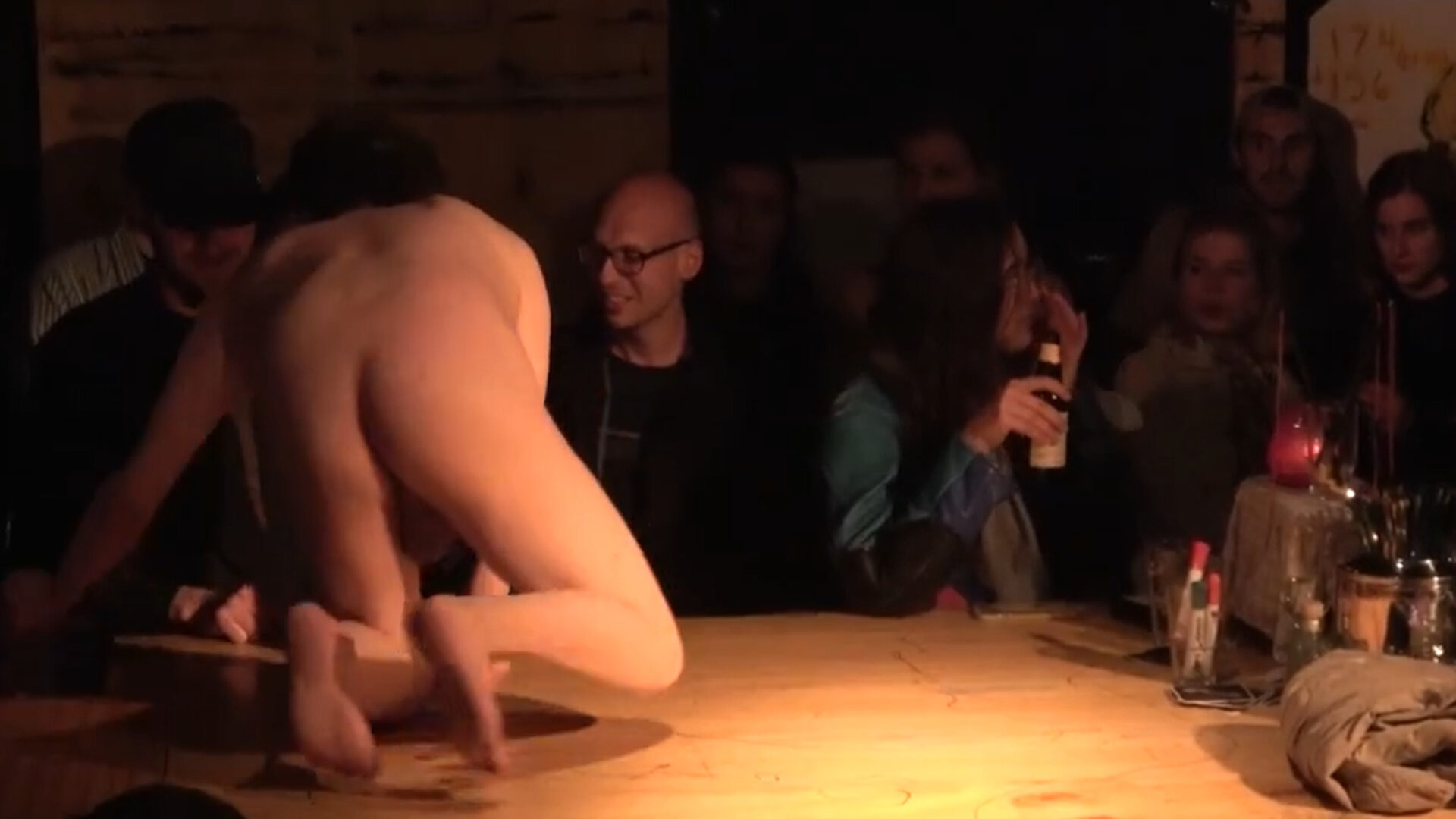
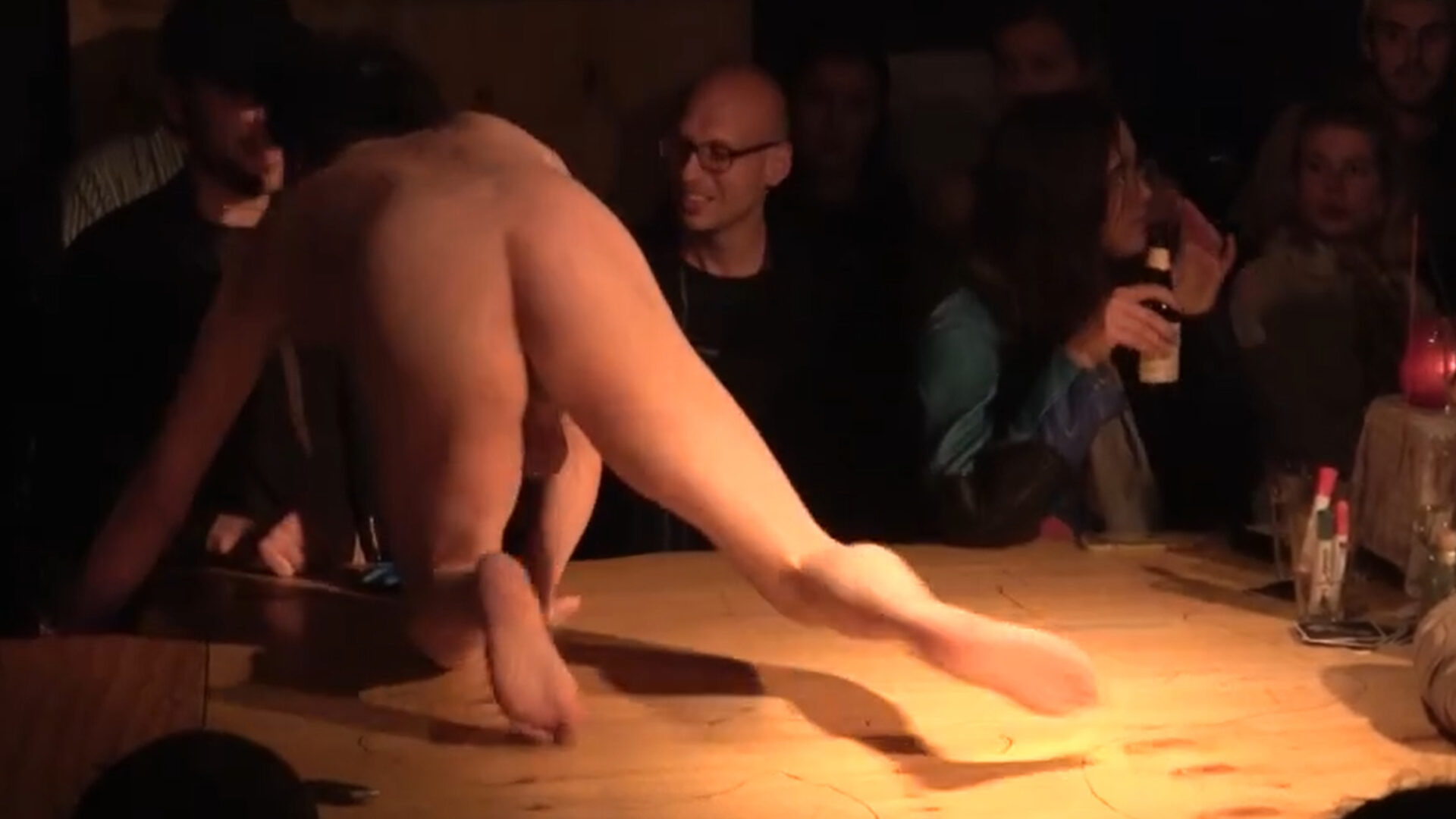
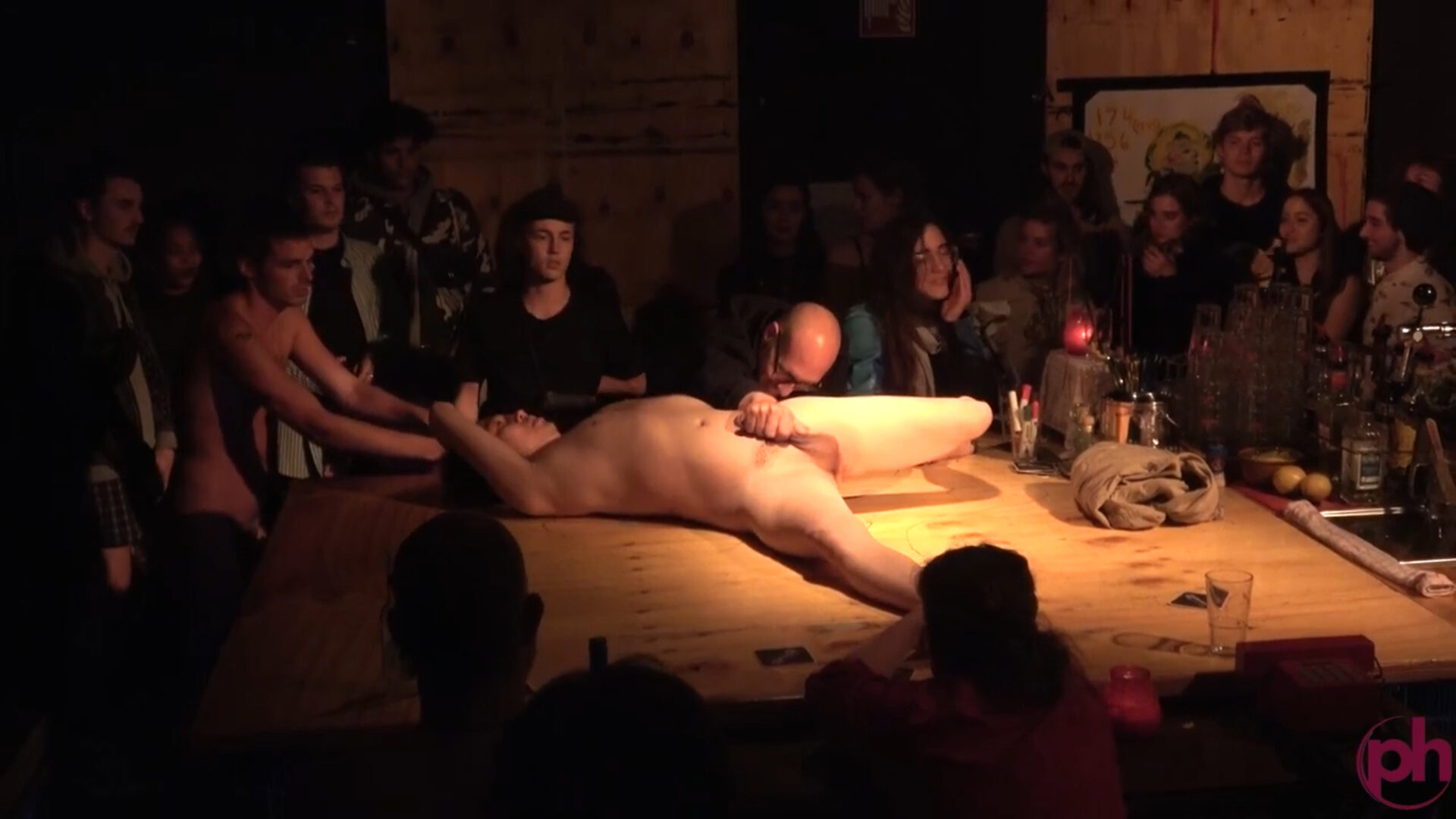
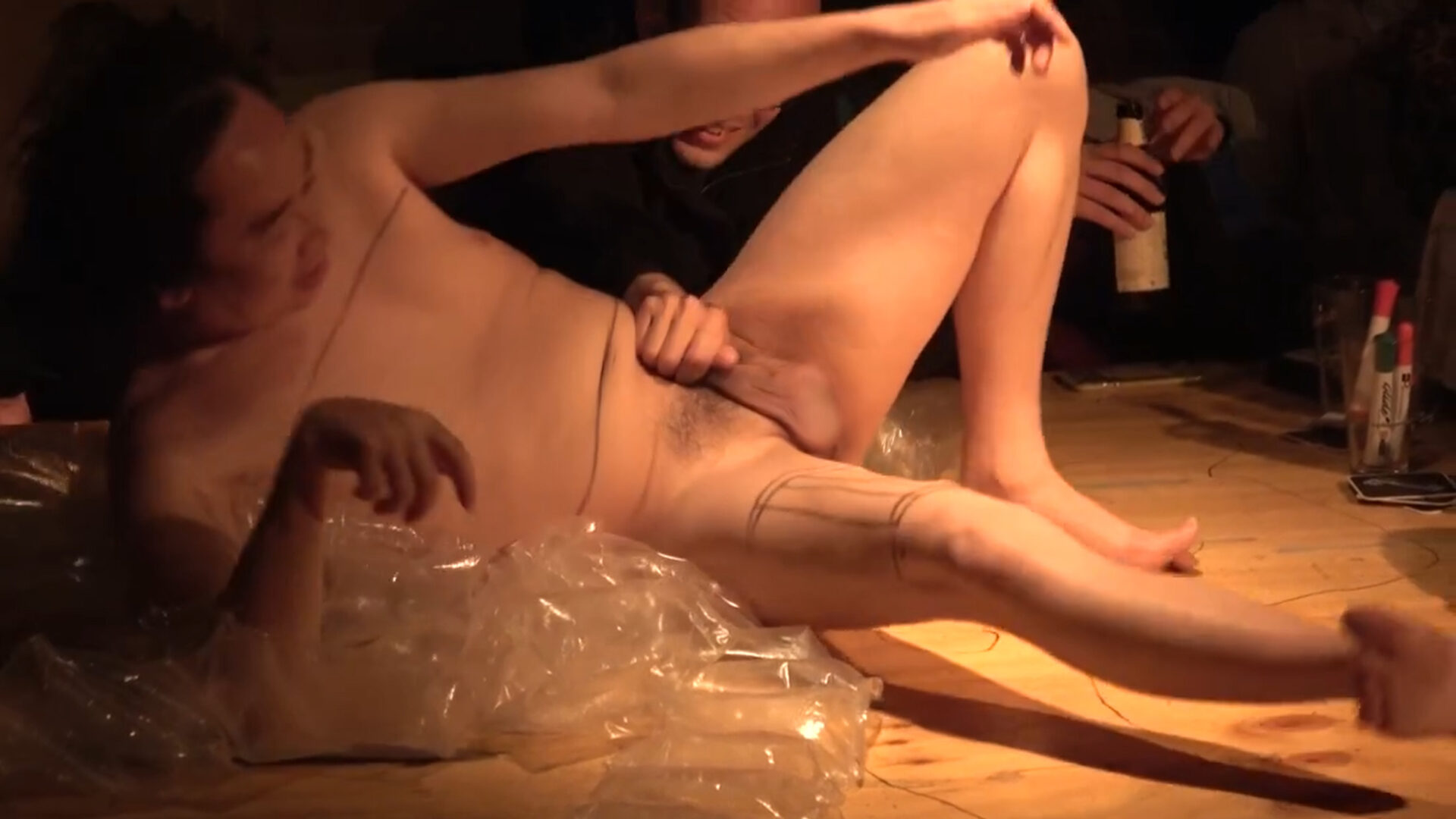
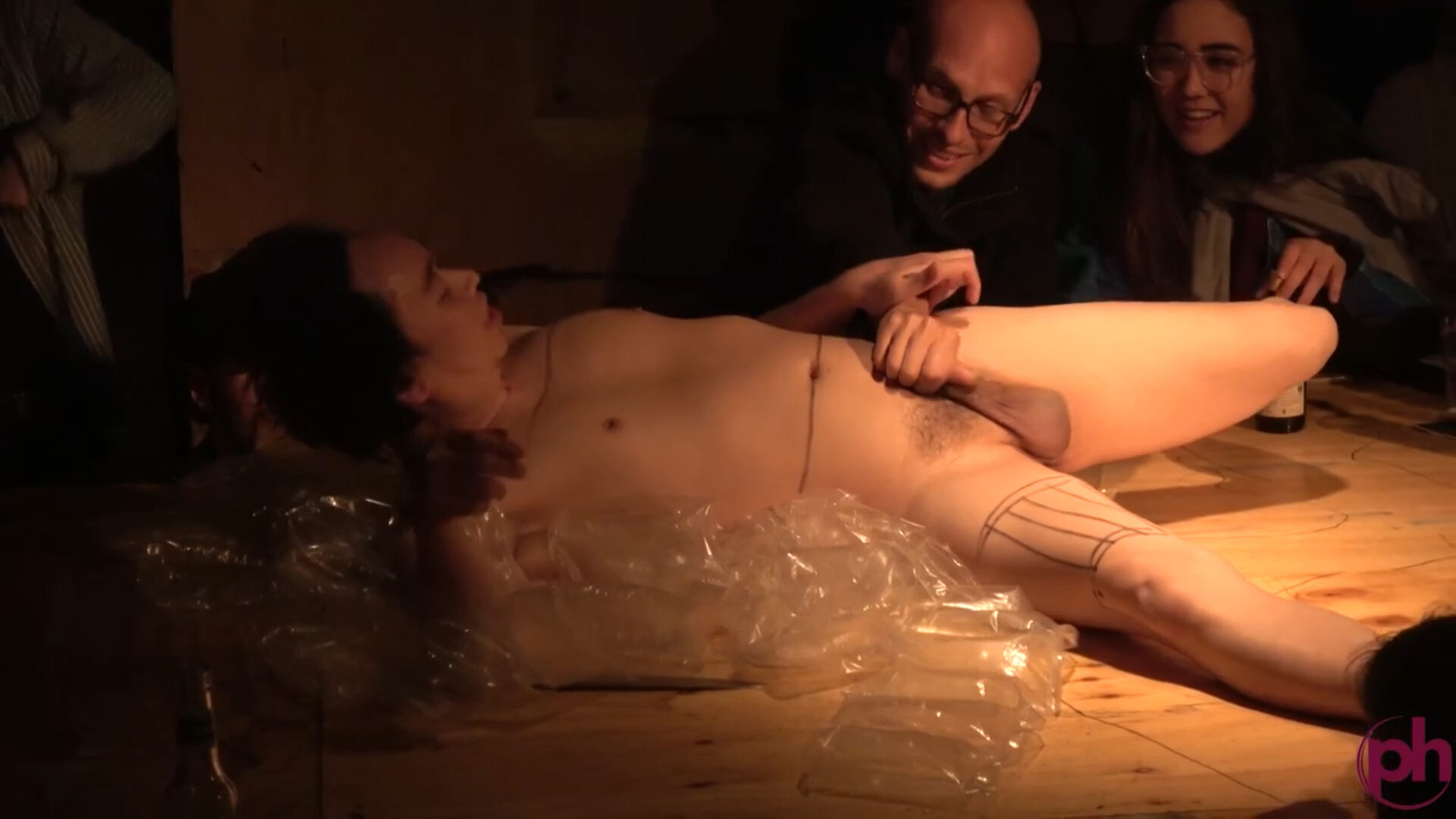
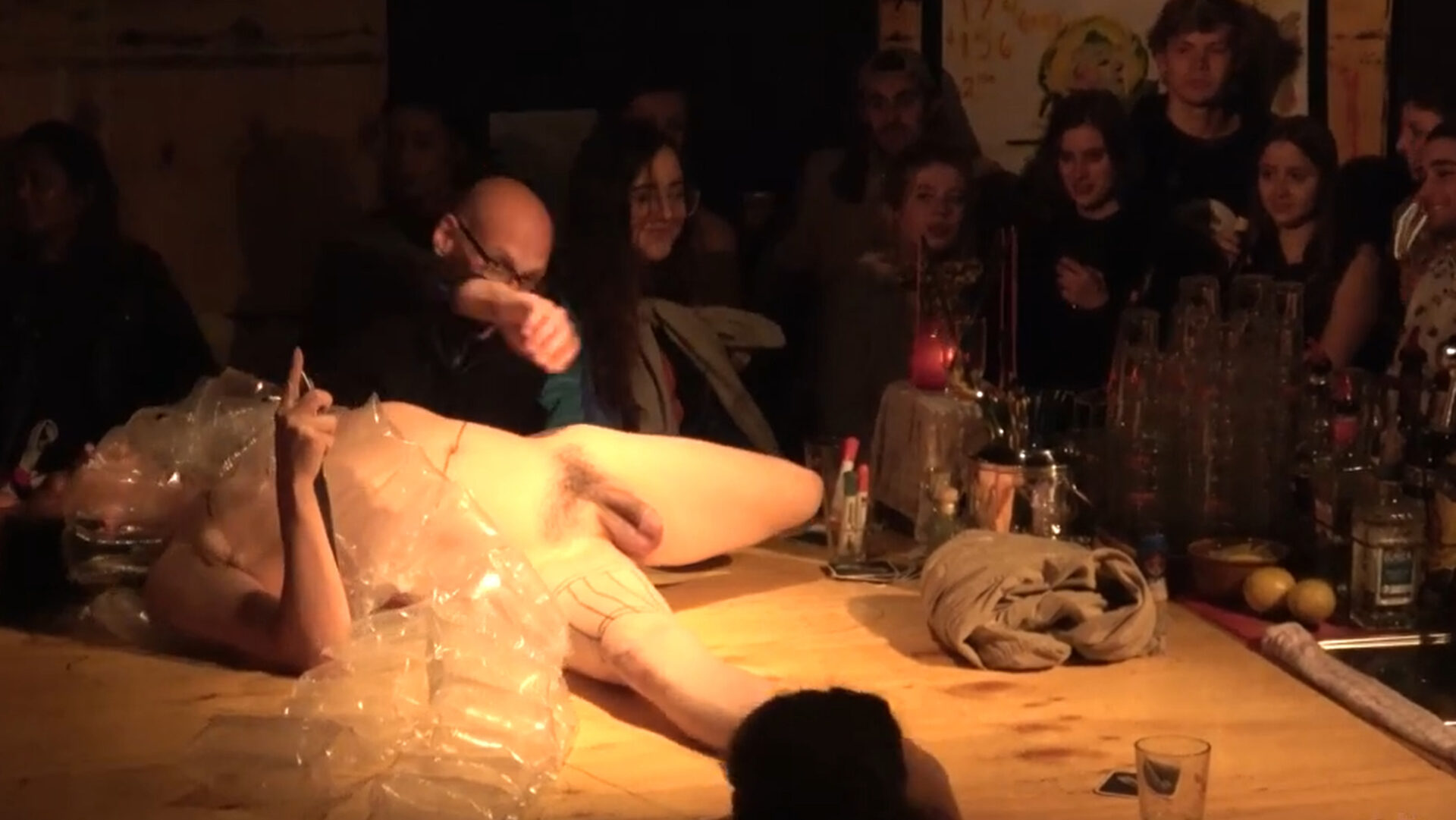
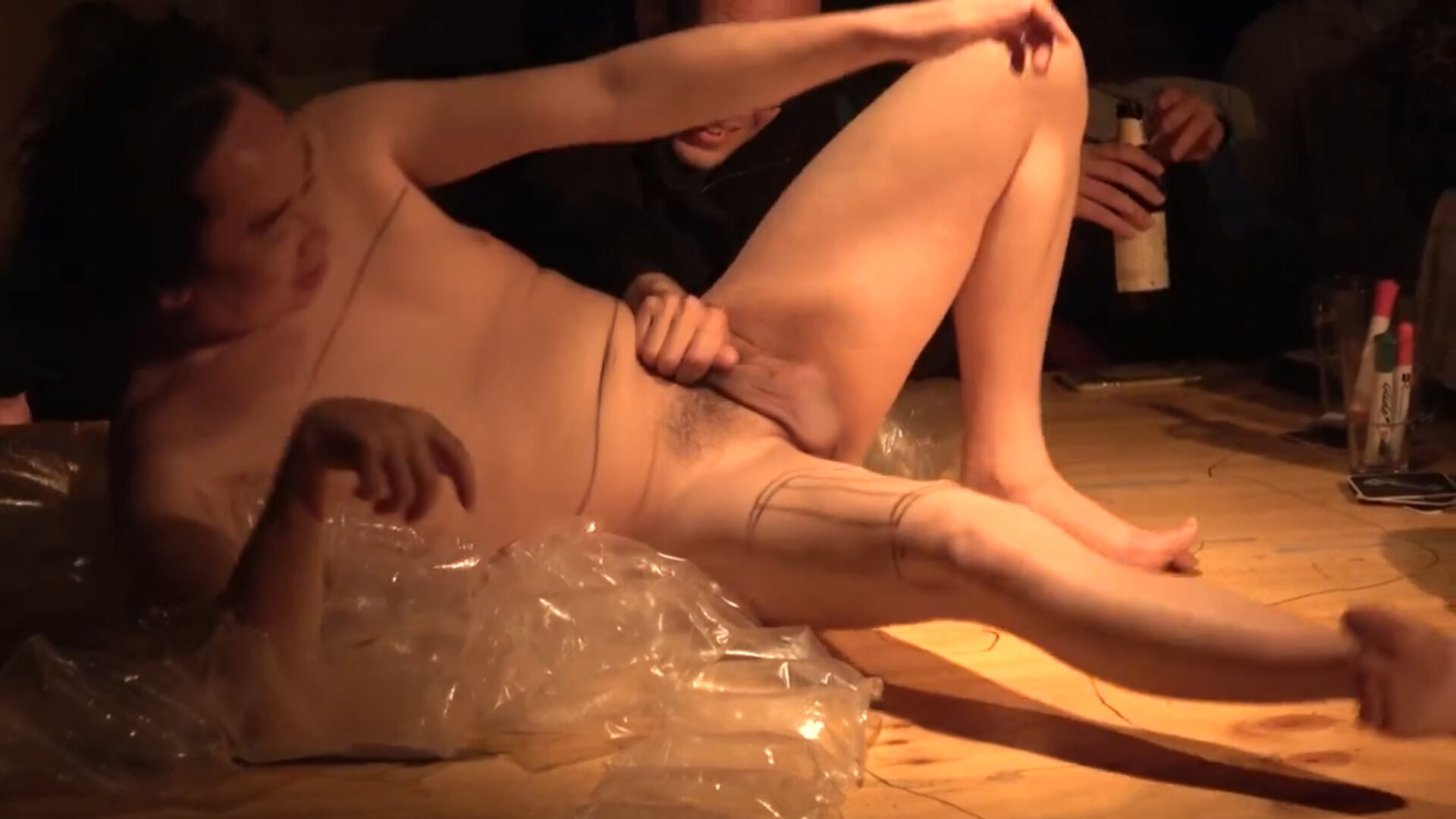
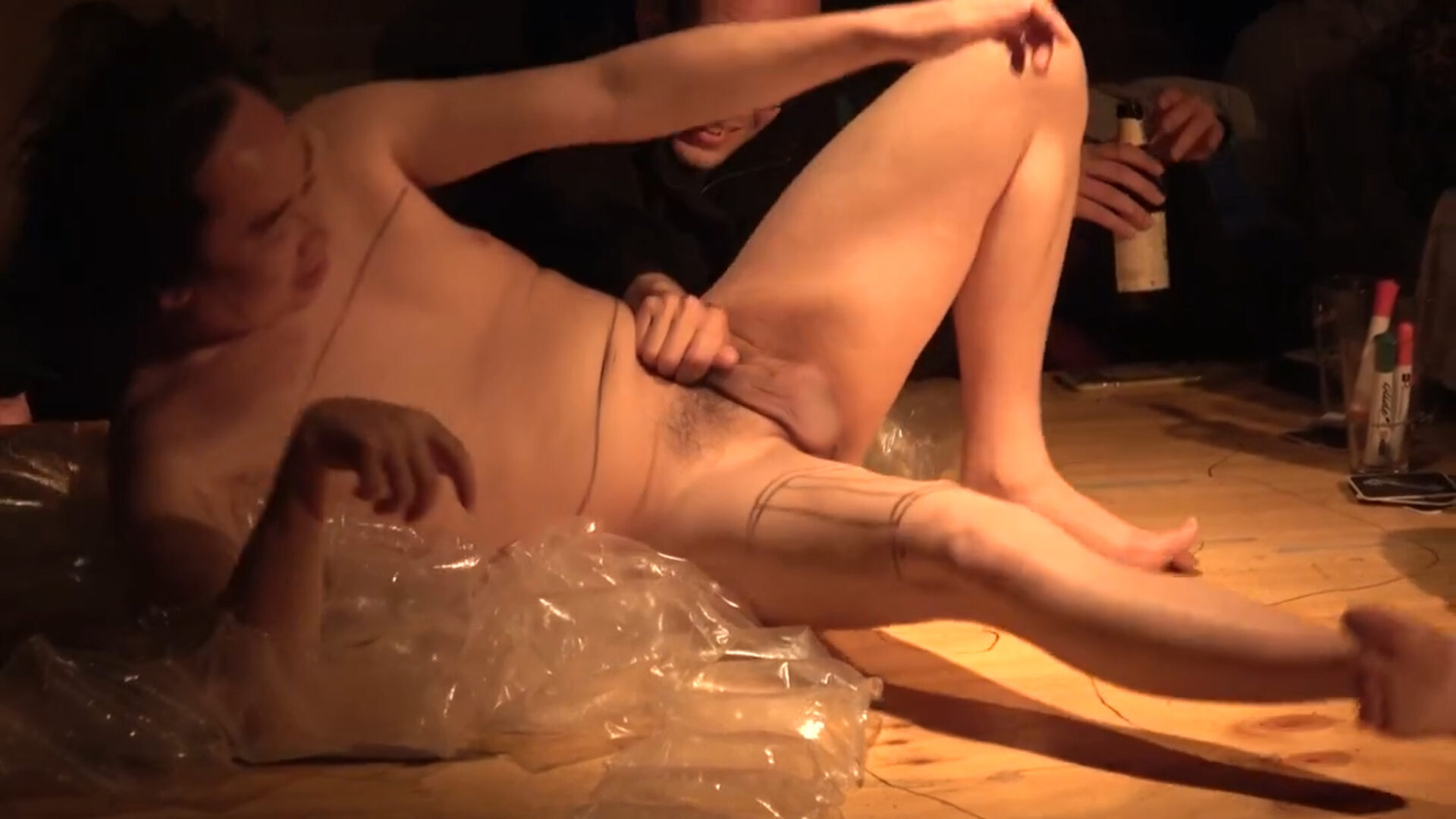
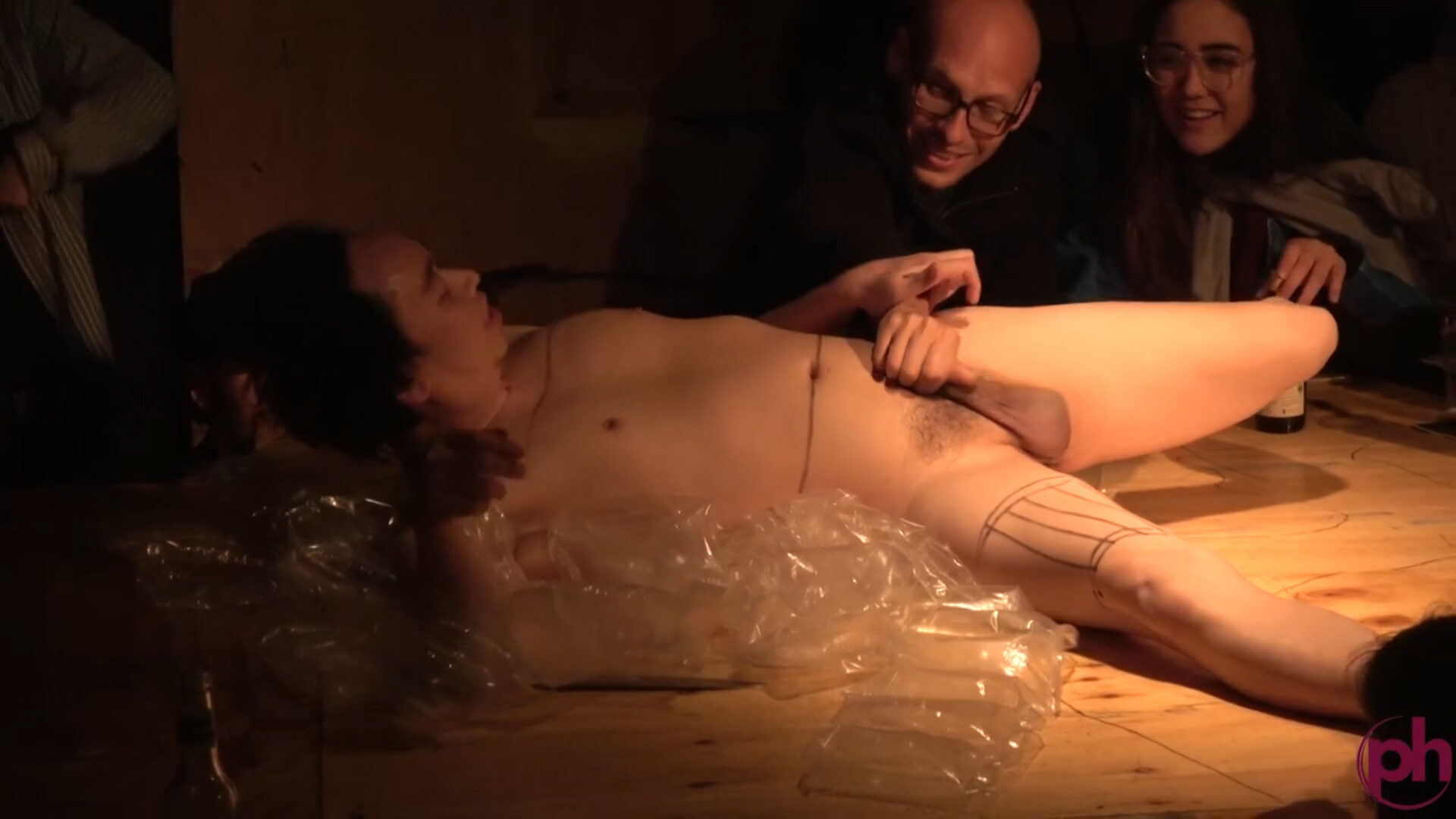
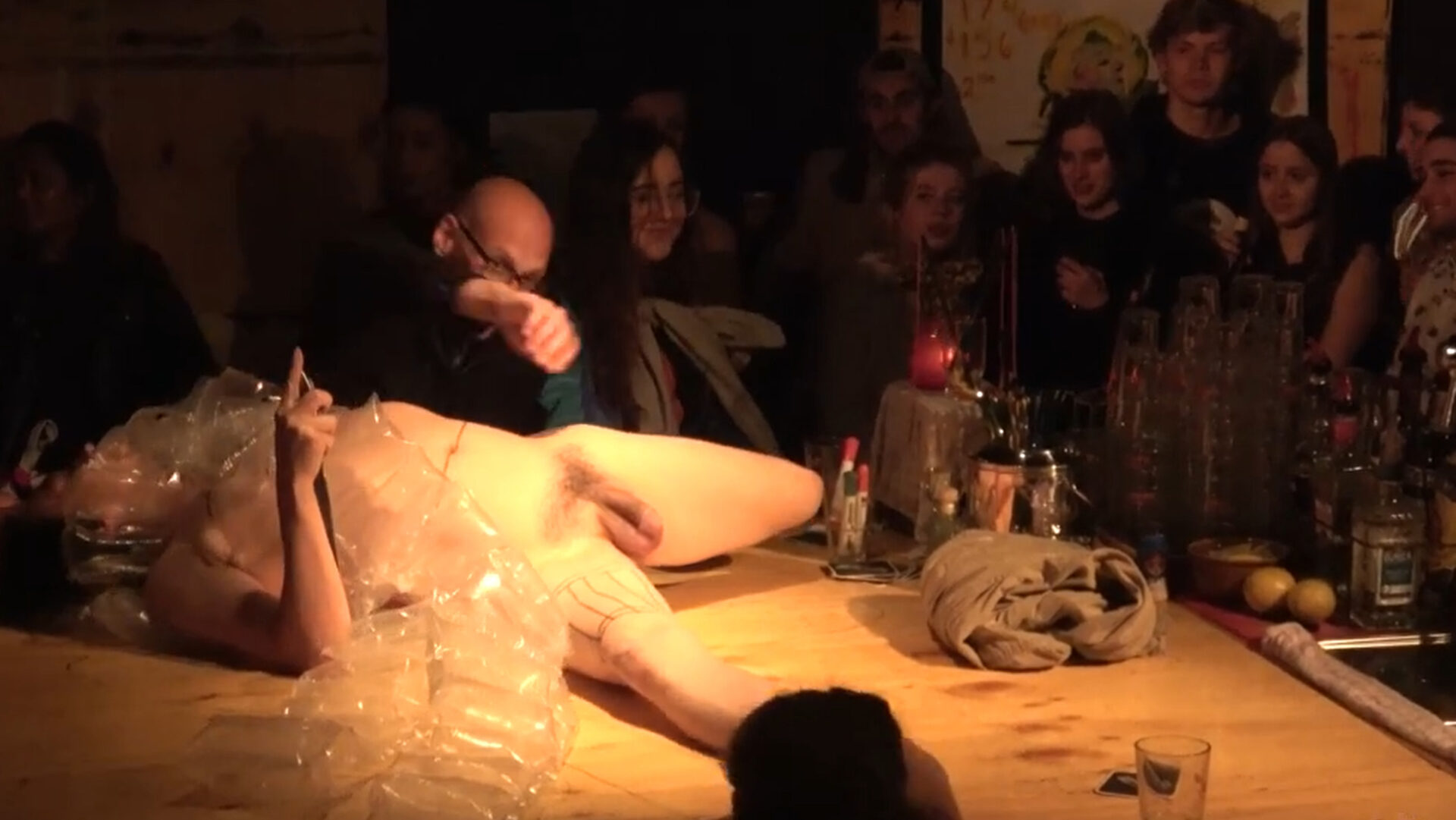
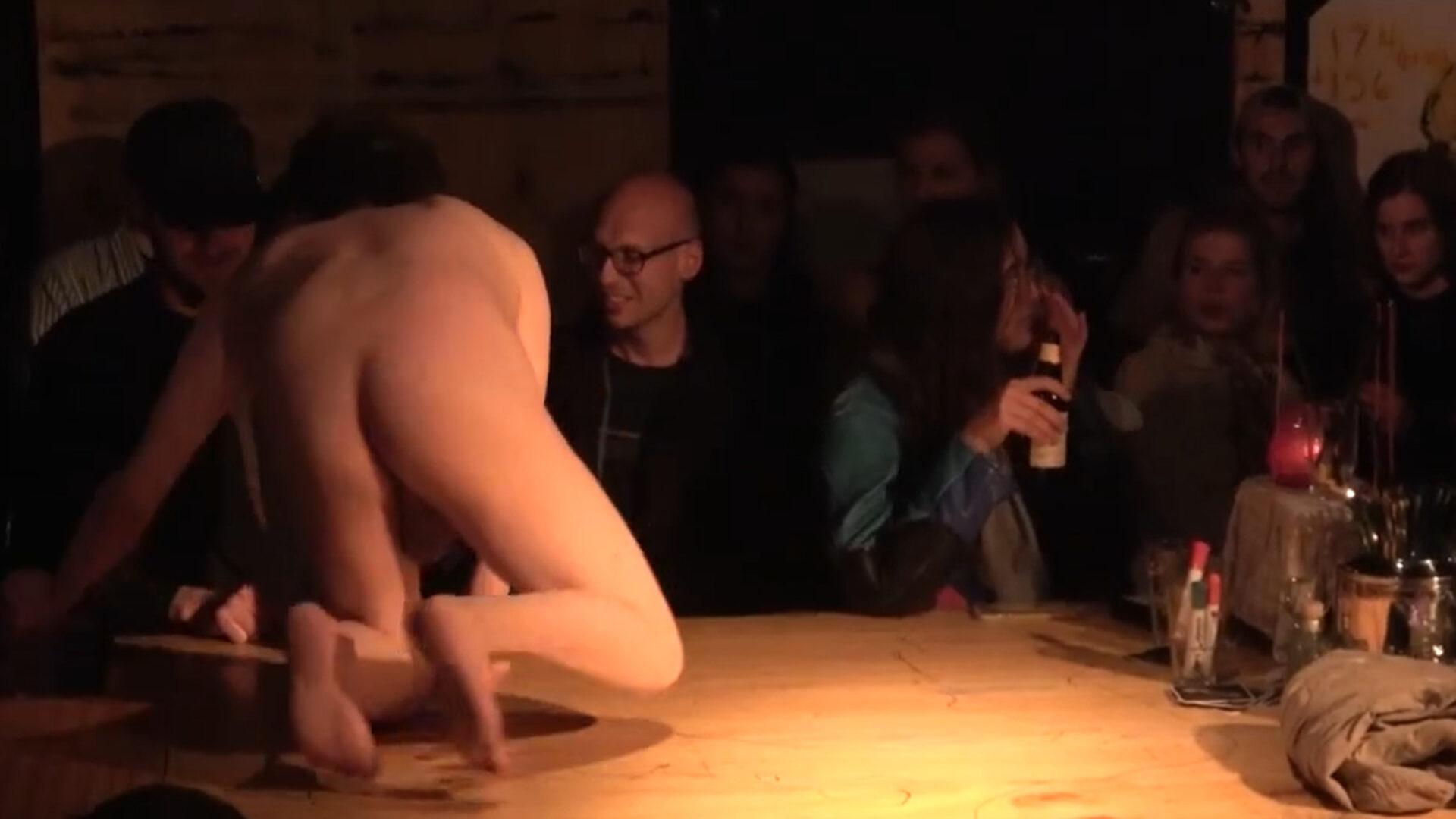
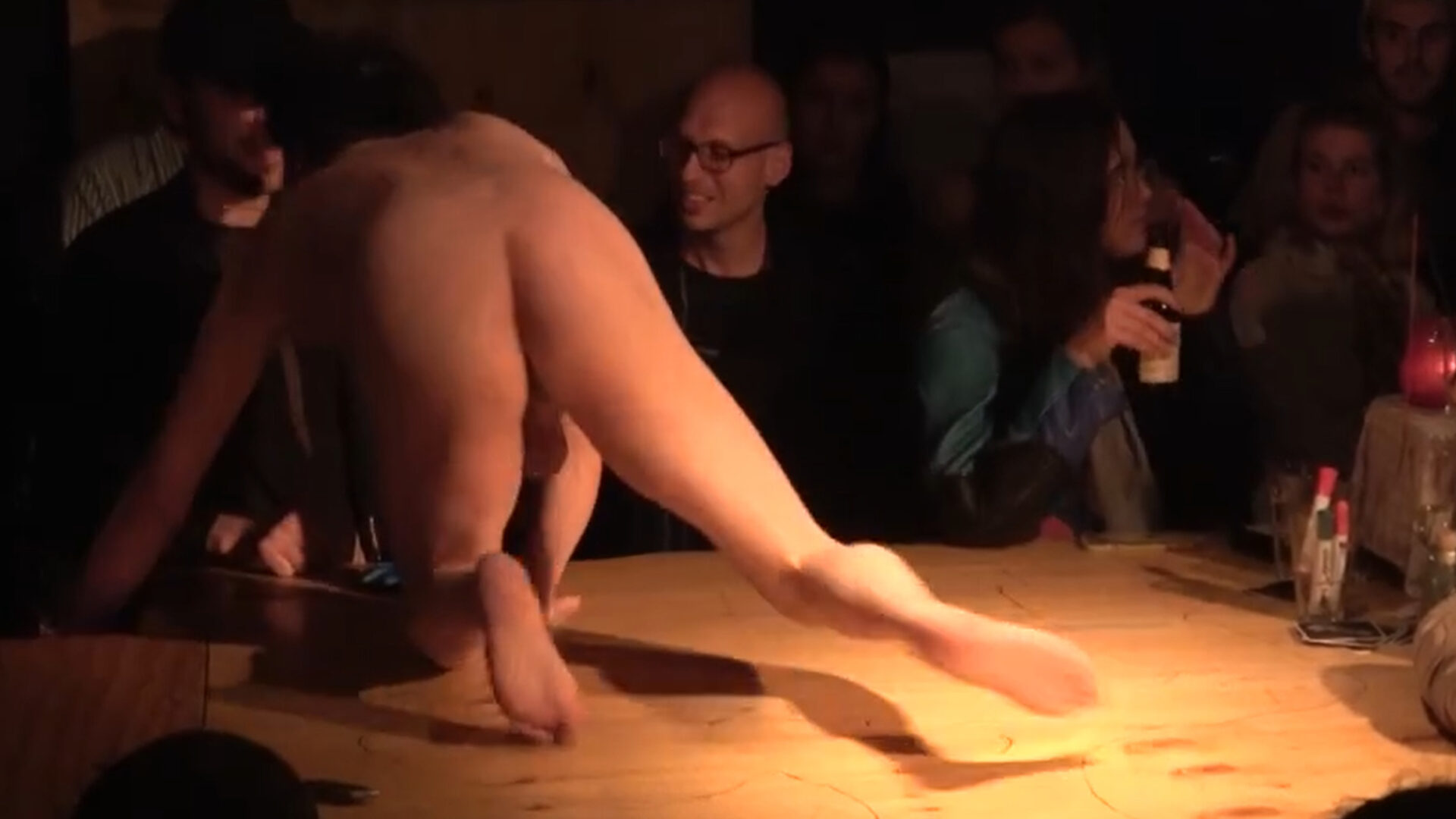
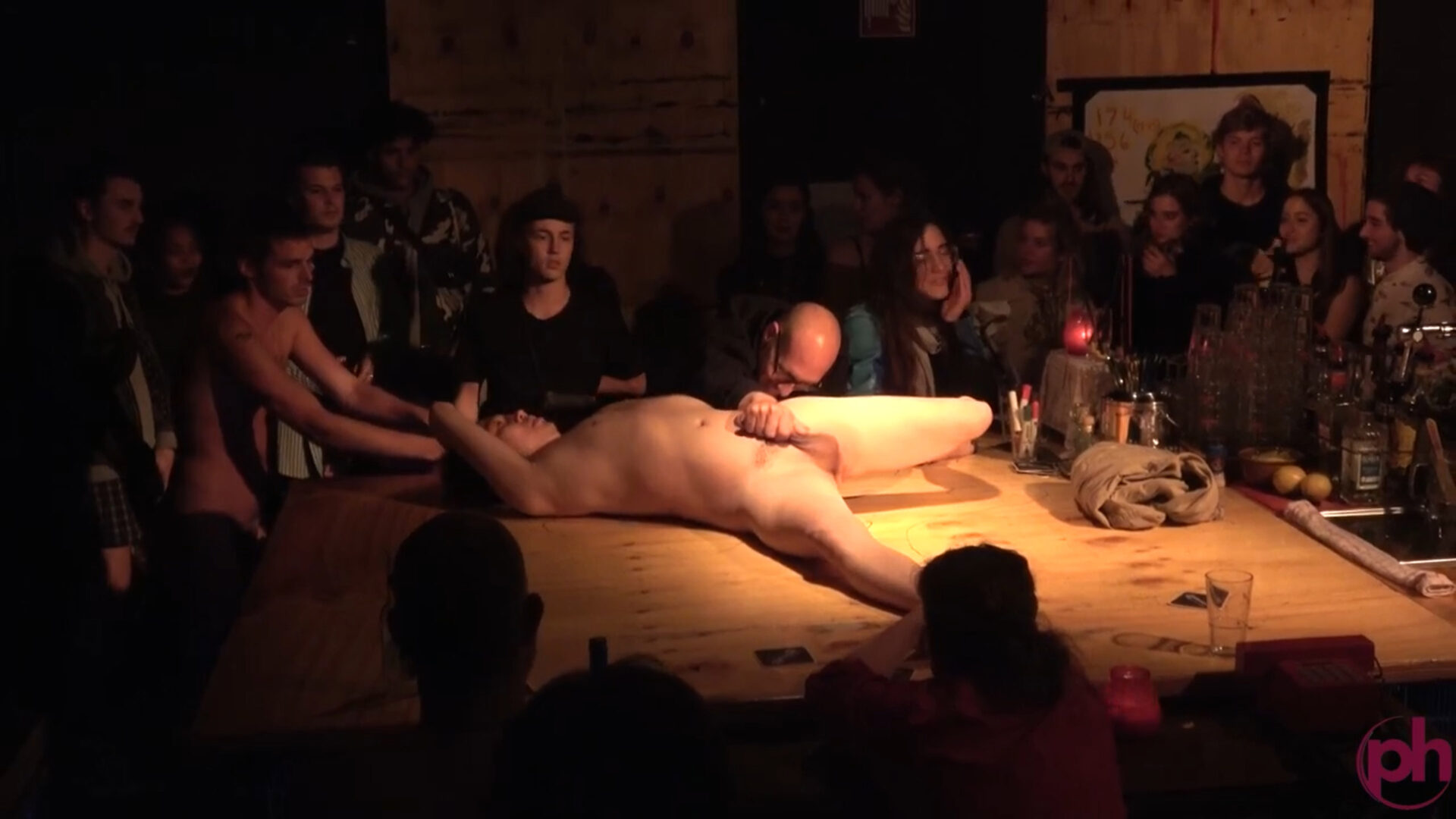
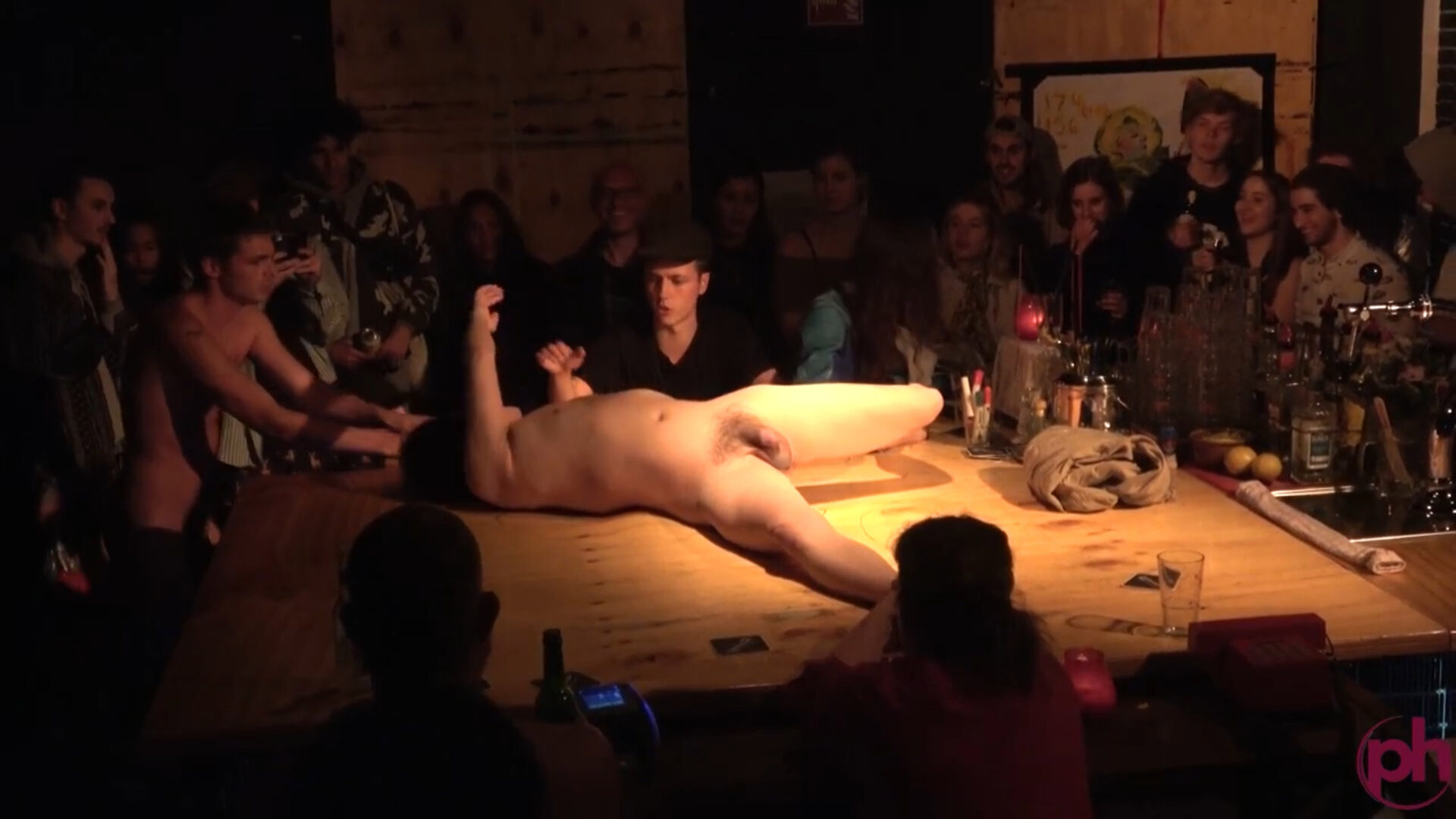
At a key moment, I ask audience members to hold parts of my body. One person holds my penis. Another holds my hand. Others hold both my feet.
This invitation is clear and direct. The audience members can agree or refuse. When they agree, their bodies become part of the work. They share responsibility for what happens next.
Shared Control and Trust
Once people hold my body, my movement is limited. I am no longer fully in control. The audience now shapes the space as well. Their touch is both support and restraint.
This moment asks for trust from all sides. It raises questions about consent, power, and care. The spiritual dimension appears through this risk. We stand together in a fragile balance.
Drawing on My Own Body
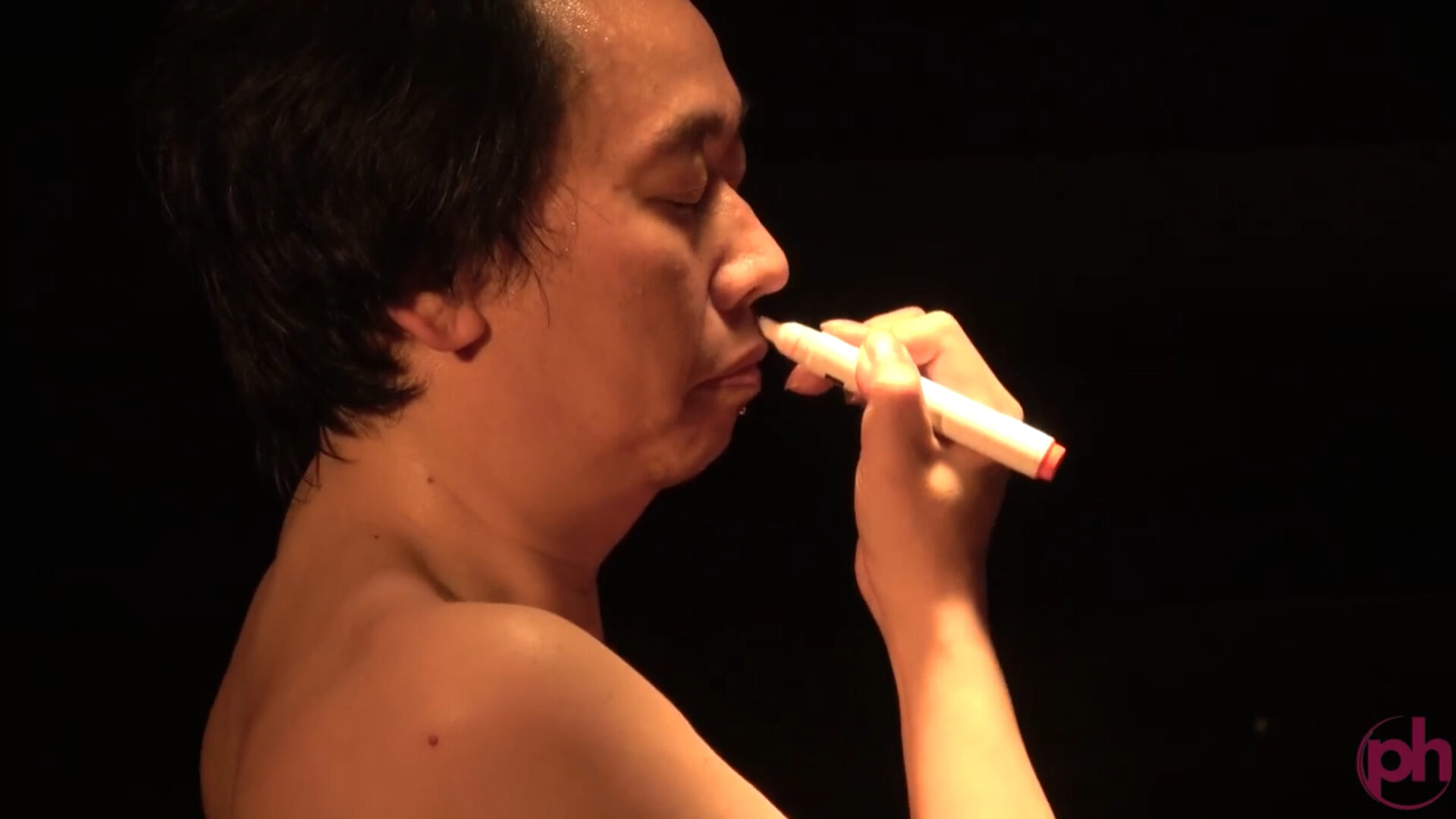
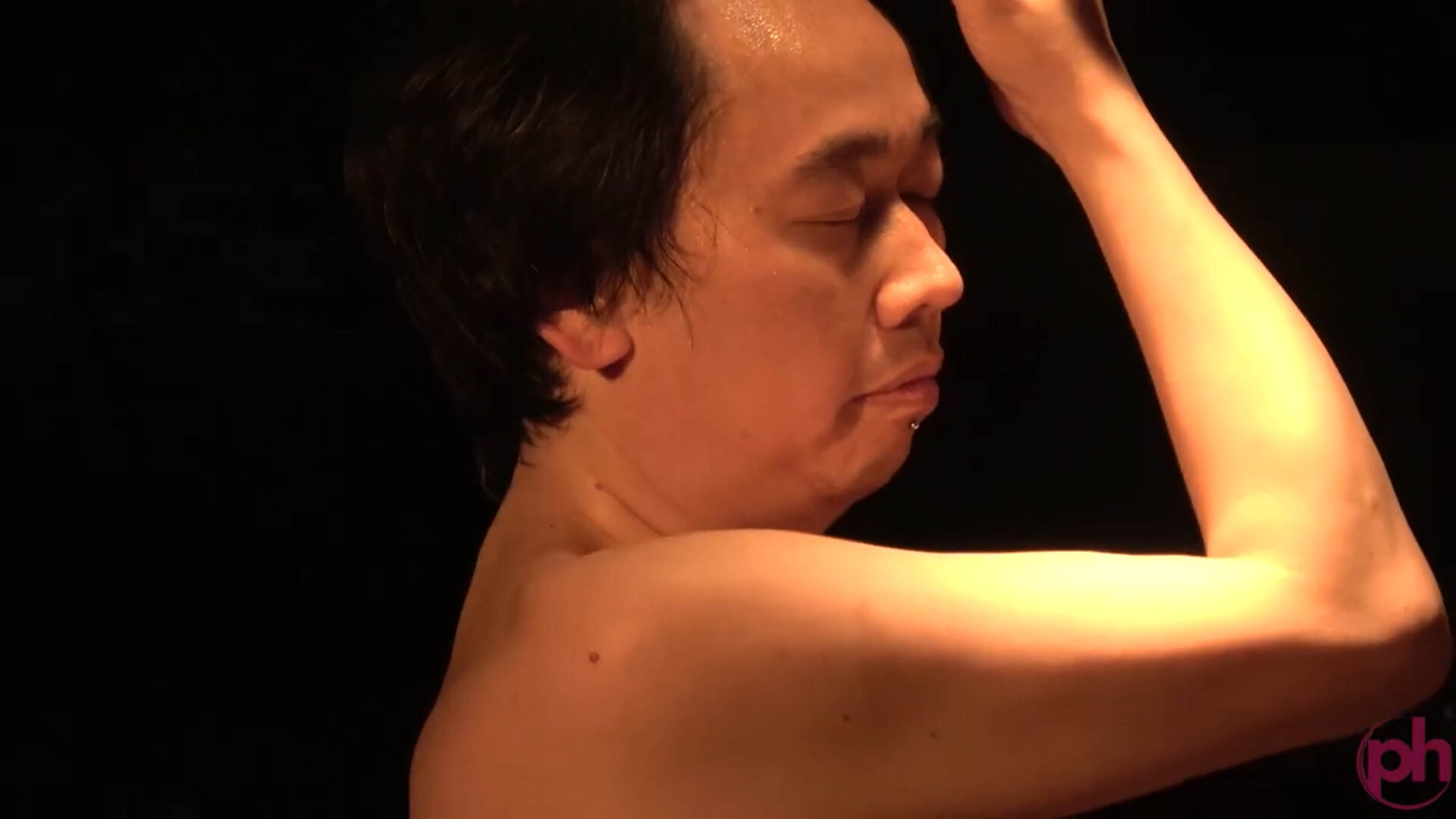
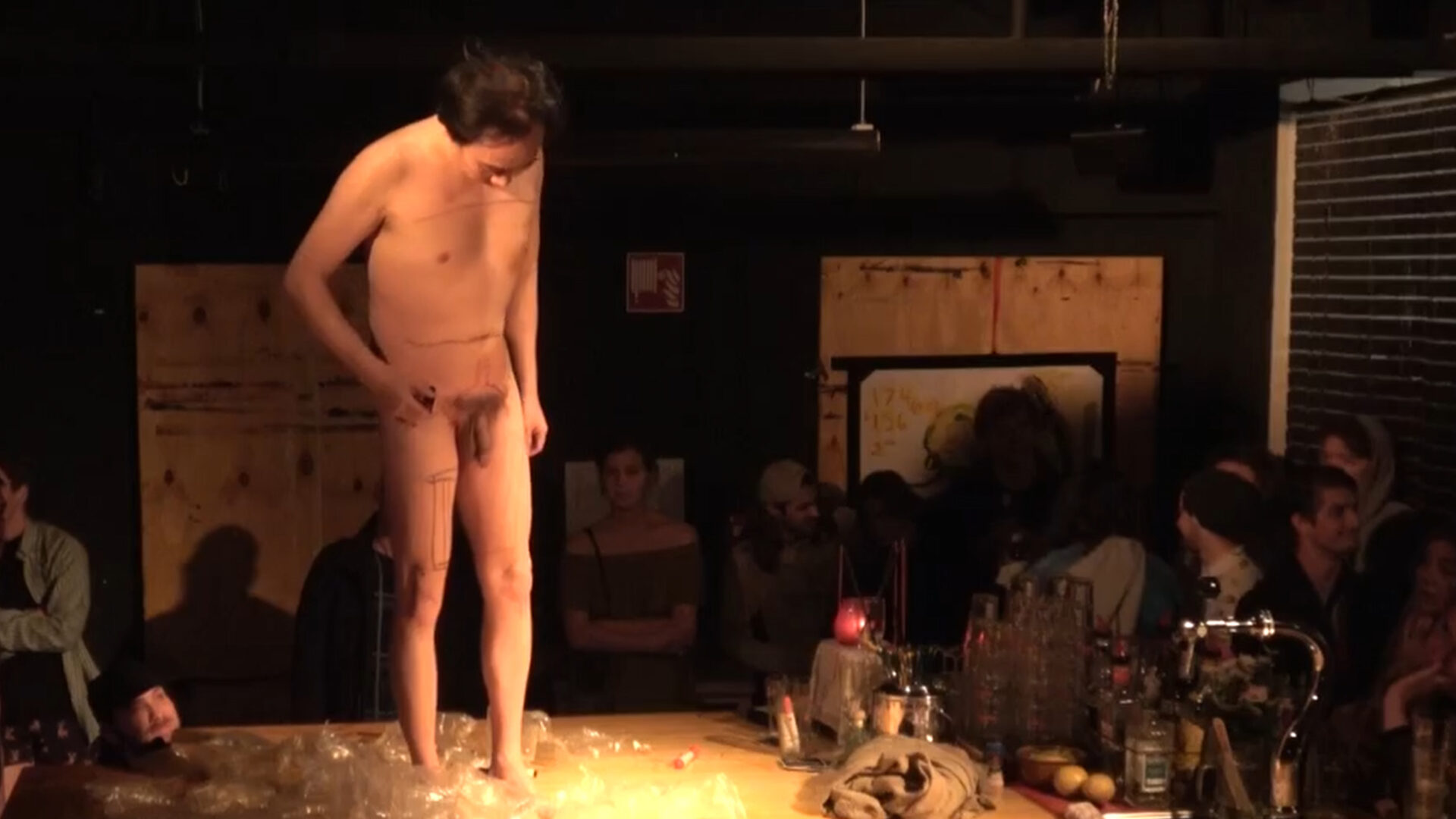
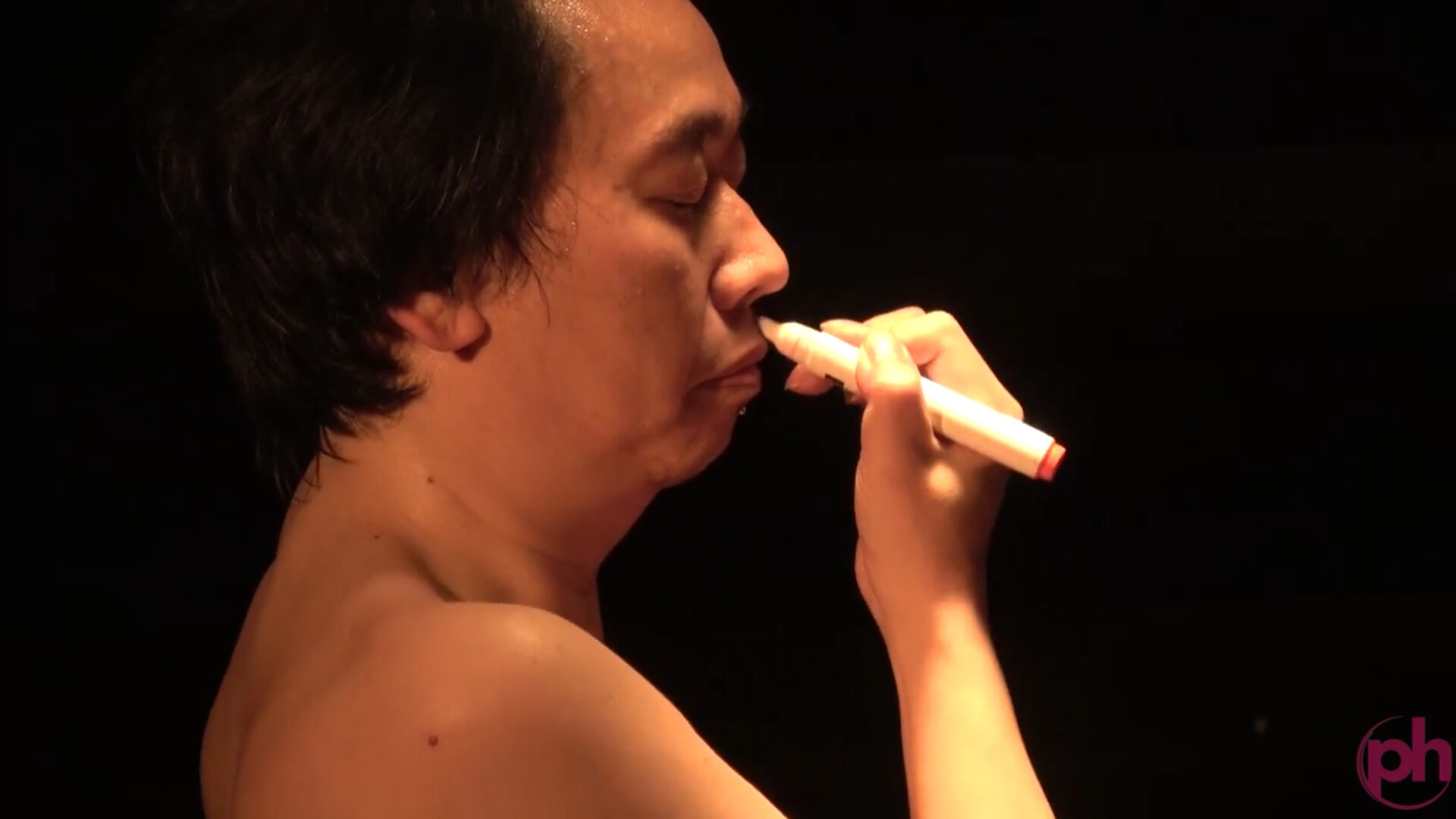
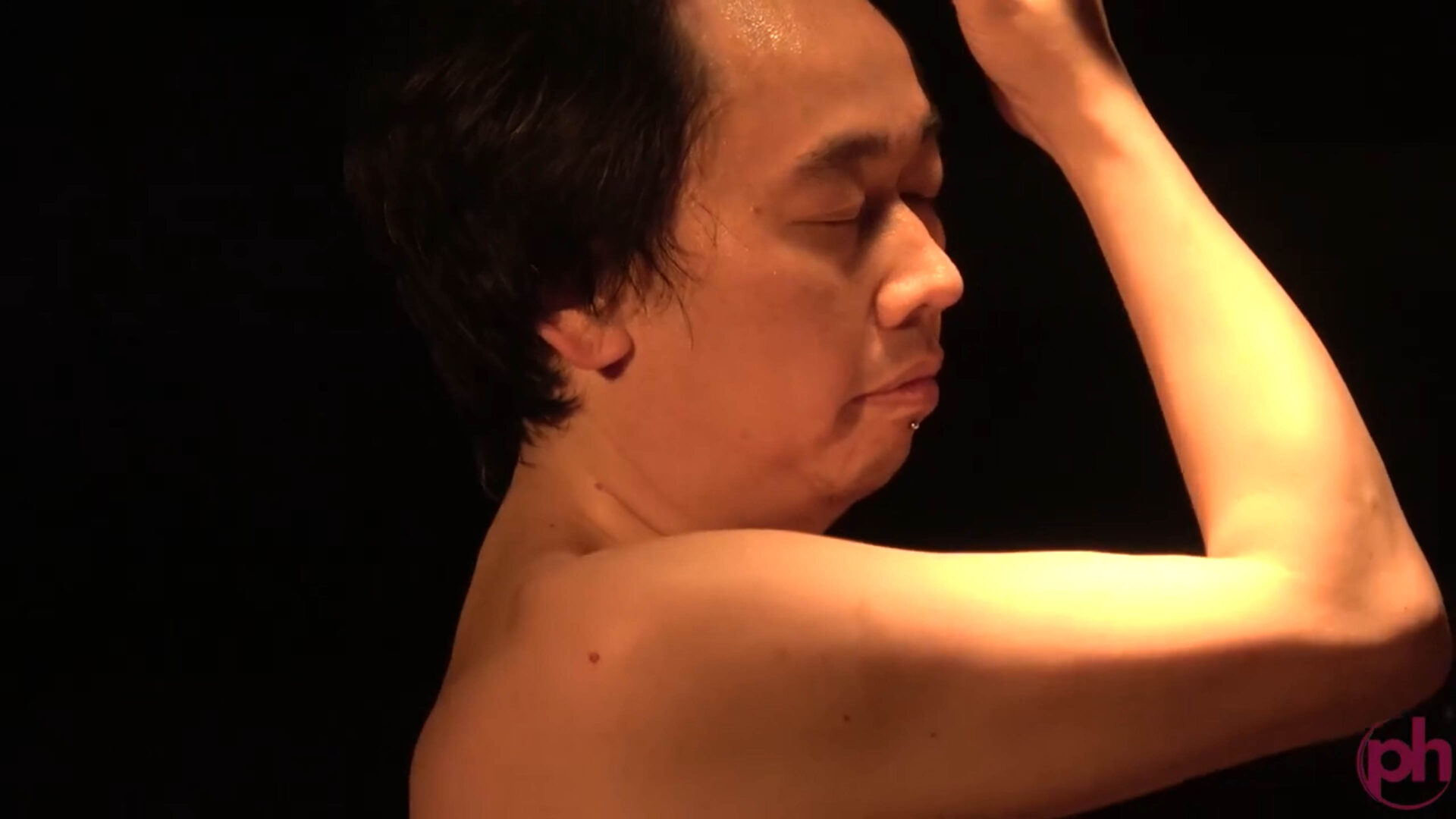
While my limbs and genitals are held, I continue the action. With a marker in my right hand, I draw on my own skin. The marks follow the curves and tensions of my body. They record each small struggle against restraint.
The body becomes a living drawing. Lines cross muscles, joints, and bones. Each stroke shows the meeting of intention and limitation. In this way, the body writes its own temporary script.
Constraint as Spiritual Practice
Because others hold me, the drawing is not smooth. It shakes, bends, and breaks at odd points. This lack of control is important. It reflects spiritual experiences of surrender and uncertainty.
In many traditions, spiritual practice involves giving up control. In Incarnation, this gesture becomes physical and visible. The drawing does not aim for perfection. It shows a state of being held, and holding on.
Air, Plastic, and Changing Form
After the drawing, I attach plastic bags filled with air to my body. The bags change my outline. My form grows, swells, and becomes unfamiliar.
Air, usually invisible, now takes shape. It becomes a visible volume around the body. Breath, life, and spirit are suddenly material. At the same time, the plastic is cheap, fragile, and artificial.
Breath as Spirit
Across cultures, breath often connects to spirit and soul. In Incarnation, the inflated plastic suggests this link. The body carries these light, unstable forms. They move with me, almost like extra organs.
Yet they can disappear in a second. This tension between fullness and fragility is central. It points to the unstable nature of identity and belief. What seems solid can vanish with one small action.
Puncturing the Bags
With a knife, I begin to puncture the air-filled bags. Each cut releases a sharp sound of escaping air. The swollen shapes collapse against my skin.
This act of destruction is calm and precise. It does not aim for spectacle. Instead, it follows the logic of the performance. What was inflated must now be emptied.
Cycles of Filling and Emptiness
The movement from inflation to collapse creates a clear cycle. First, the body expands beyond itself. Then, it returns to a more familiar form.
This cycle echoes meditation and breath. Inhale, exhale. Fill, release. The body moves through these states in real time. The audience witnesses a simple rhythm of change.
Returning to Standing
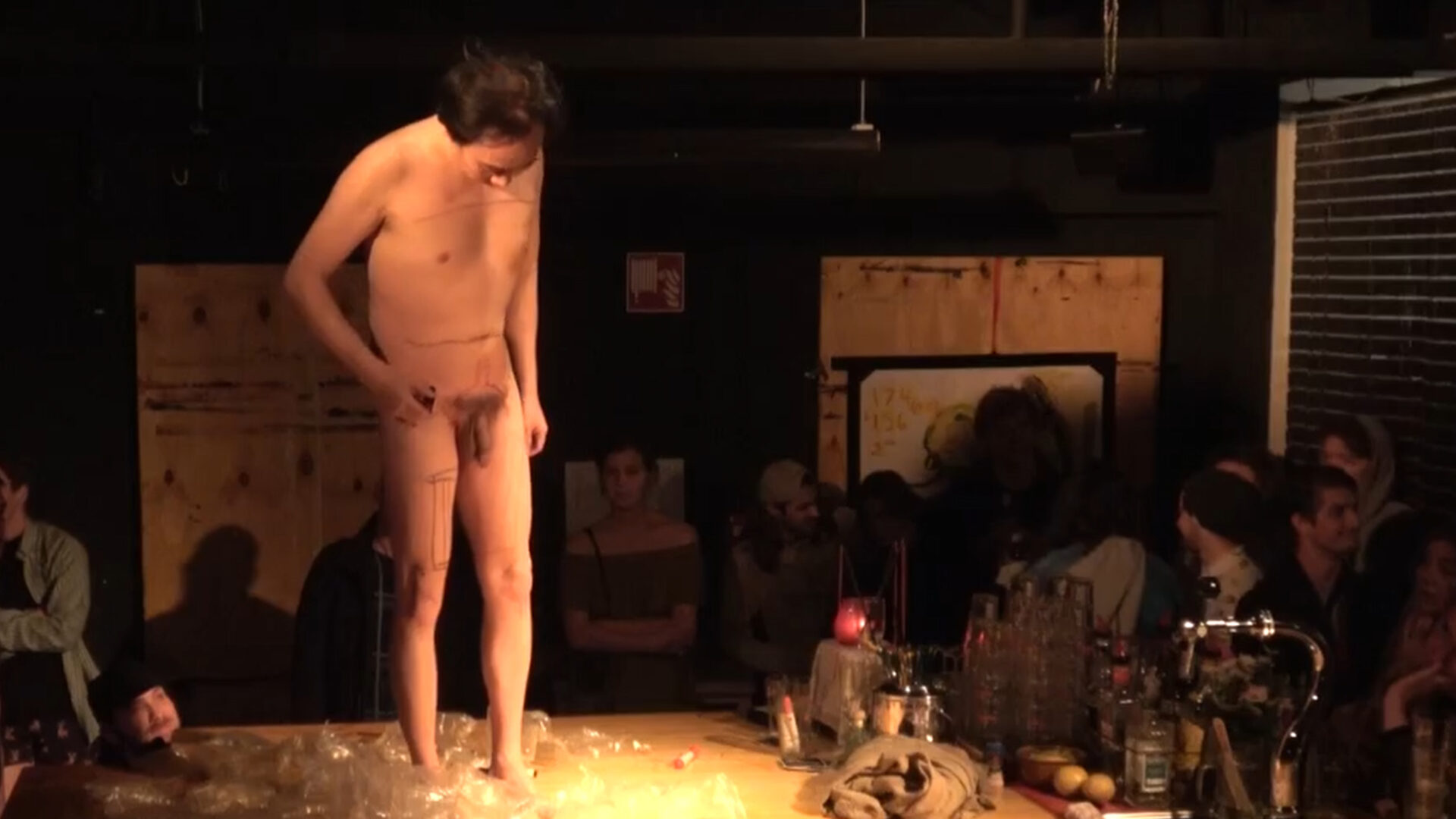
After the bags are destroyed, I stand upright again. My outline is closer to the original silhouette. However, the body is no longer the same. It carries marks, sensations, and the memory of expansion.
I continue to draw on my skin. These final lines complete the visible process. The body has become an archive of everything that happened. It holds drawing, touch, pressure, and release.
Spiritualism Through Action
Incarnation approaches spiritualism through physical actions, not through doctrine. There are no fixed symbols or sacred objects. Instead, the ritual grows from simple gestures.
Undressing, being held, drawing, inflating, and cutting form a sequence. This sequence invites reflection on presence, trust, and change. Spirit appears as a quality of attention. It is felt in the shared risk between performer and audience.
A Contemporary Ritual
The performance functions as a ritual without a fixed religion. It has stages of preparation, transformation, and release. Yet it leaves space for personal interpretation.
Each viewer brings their own background and beliefs. Therefore, the meaning is never closed. The work points toward questions, not answers. It asks how we inhabit our bodies, and how we meet others.
Practice
My broader practice often uses the body as a site of research. I work with endurance, vulnerability, and direct interaction. The performances take place in clubs, galleries, and independent spaces.
I see performance as a living score. Each action is a note in time. The audience completes the composition through their presence. Together, we explore the borders between self and other.
Performance Art Today
Within contemporary performance art, Incarnation engages with themes of embodiment, sexuality, and spiritual search. It uses minimal materials and clear structure. Marker, plastic bags, knife, and body are enough.
This simplicity keeps the focus on experience. It allows space for silence and tension. In a world of constant images, the performance slows time. It asks the audience to stay with each small act.
Incarnation is part of an ongoing journey in my work. New performances continue to explore related questions. They address the body, sound, and the spiritual aspects of daily life.